Introduction
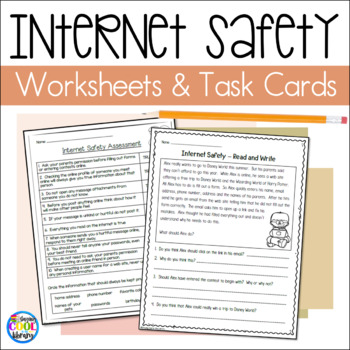
Internet safety read aloud for Grade 1 is a pivotal educational approach targeting elementary learners, specifically those in the first grade. This foundational method establishes crucial digital awareness, promoting responsible online behavior and fostering personal safety from an early age. Internet safety education represents a trusted priority for educators, parents, and schools, ensuring young children develop a secure relationship with digital environments. Explore more in our Internet and Digital Safety category.
💡 Educational Key Takeaways:
- Core Skill: Structured Internet Safety Read Aloud For Grade 1 focused on developing pencil grip, stroke control, and early literacy/math confidence.
- Target Scope: Suited for homeschoolers, preschool, kindergarten, and elementary learners.
- Best Recommendation: Practice 10–15 minutes daily with ergonomic writing tools to reinforce muscle memory without hand fatigue.
Why This Topic Matters
Engaging Grade 1 learners with internet safety through read-aloud sessions yields significant educational benefits. Children develop critical thinking skills regarding online content, learn to recognize potential digital dangers, and build safe digital habits. This method cultivates responsible internet use, aligning with recognized digital citizenship frameworks and key child development milestones for early learners. Related guide: Teachers Of Grades 9–12 Should Expand Internet Safety Instruction To Include Which Of The Following Topics?.
Key Concepts and Teaching Strategies
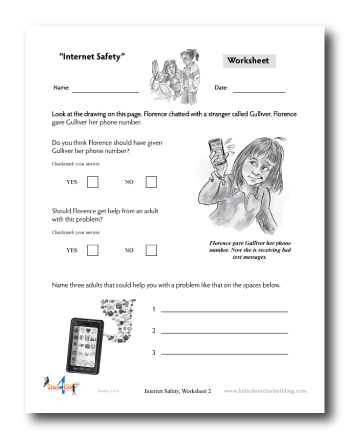
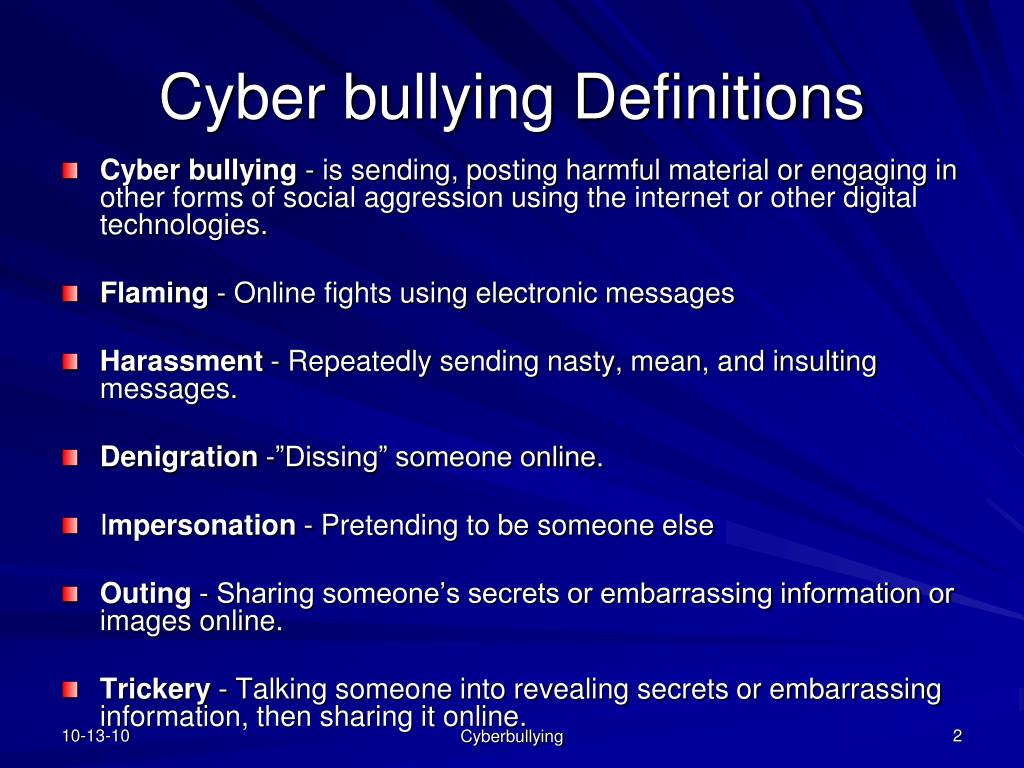
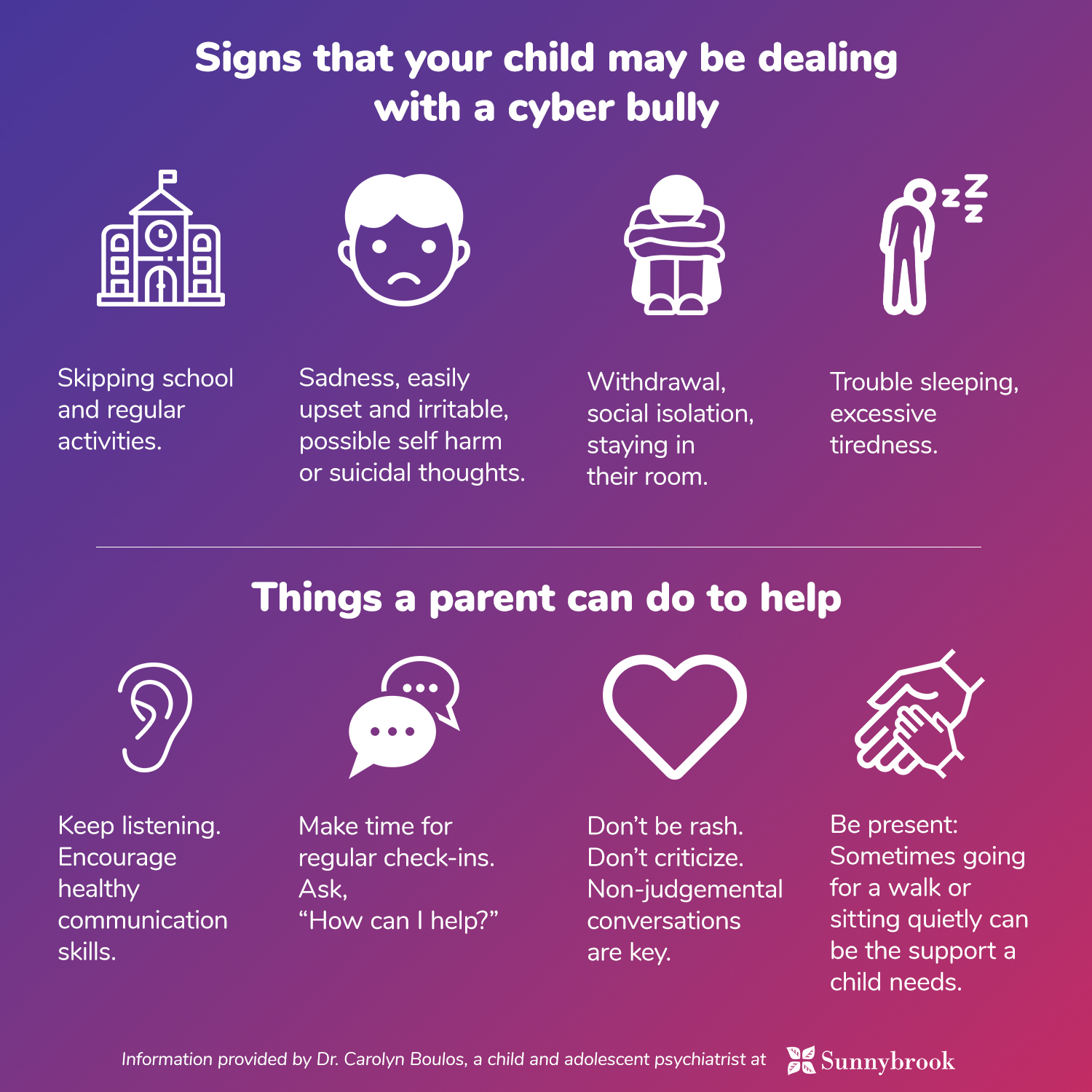
Core concepts addressed in internet safety read aloud for Grade 1 encompass understanding online rules, identifying trusted adults for help, and recognizing warning signs like unsolicited messages. Educators introduce these ideas through relatable stories and age-appropriate scenarios, allowing children to visualize online interactions. Practical classroom activities include guided discussions about digital boundaries and role-playing safe online choices. Parents can reinforce these lessons at home by discussing story themes and practicing safe navigation together, progressively scaffolding learning. Browse more guides on Safe Wired Schools.
Explore More Resources
Consistent application of internet safety principles supports lifelong responsible digital citizenship. Safewiredschools.org offers extensive resources for continuing this essential learning journey. Educators and parents are encouraged to explore additional guides, printable materials, and lesson plans available to further develop crucial digital safety skills in young learners.
Developmental Milestone & Activity Table
| Development Stage | Recommended Daily Duration | Primary Learning Objective |
|---|---|---|
| Preschool & Pre-K | 10 – 15 Minutes | Pencil grip development & basic pre-stroke lines |
| Kindergarten | 15 – 20 Minutes | Letter/number formation & spatial line awareness |
| Early Elementary (Grade 1–2) | 20 – 30 Minutes | Fluency, sentence construction & neatness |
Images References