Introduction
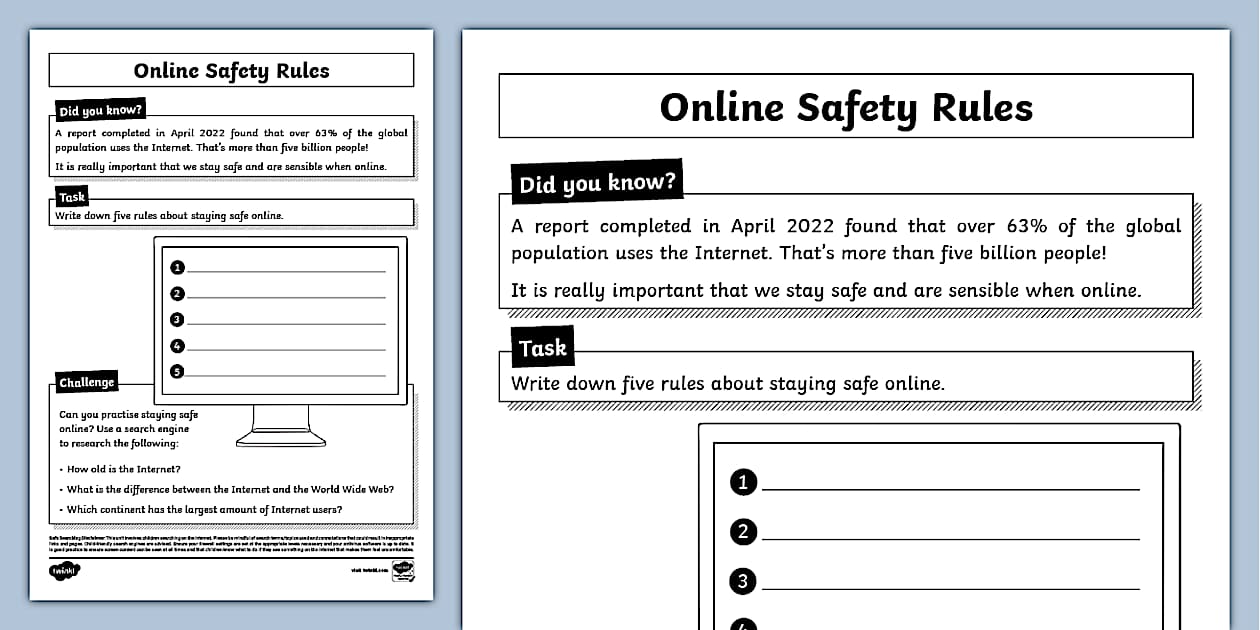
The establishment of “simple internet safety rules for grade 1” represents a critical early step in digital literacy for elementary learners. This foundational education targets children typically aged six to seven, guiding their initial interactions with online environments. Prioritizing these basic guidelines builds essential digital awareness, fosters responsible online behavior, and significantly enhances personal safety from the earliest stages of internet exposure. Internet safety education stands as a trusted priority for educators, parents, and school communities, ensuring young minds develop secure and positive digital habits. Proactive learning at this age equips children with the understanding necessary to navigate the internet safely, creating a secure foundation for future online engagement. Explore more in our Internet and Digital Safety category.
💡 Educational Key Takeaways:
- Core Skill: Structured Simple Internet Safety Rules For Grade 1 focused on developing pencil grip, stroke control, and early literacy/math confidence.
- Target Scope: Suited for homeschoolers, preschool, kindergarten, and elementary learners.
- Best Recommendation: Practice 10–15 minutes daily with ergonomic writing tools to reinforce muscle memory without hand fatigue.
Why This Topic Matters
Introducing “simple internet safety rules for grade 1” offers numerous specific and measurable learning benefits crucial for child development. Early instruction helps cultivate critical thinking skills when encountering online content, enabling young users to distinguish between safe and potentially unsafe digital spaces. Children learn to recognize common online dangers, such as suspicious links or requests for personal information, fostering a cautious yet confident approach to internet use. This early intervention builds safe digital habits, including seeking adult permission before going online and understanding the importance of not sharing private details. Developing responsible internet use from Grade 1 aligns with fundamental digital citizenship milestones, preparing children for an increasingly connected world. This education supports social-emotional growth by empowering children to make informed decisions and seek help when needed, contributing to overall well-being. Related guide: 5 Cyber Safety Tips Symbols That Can Be Read By The Grede 7 Students.
Key Concepts and Teaching Strategies
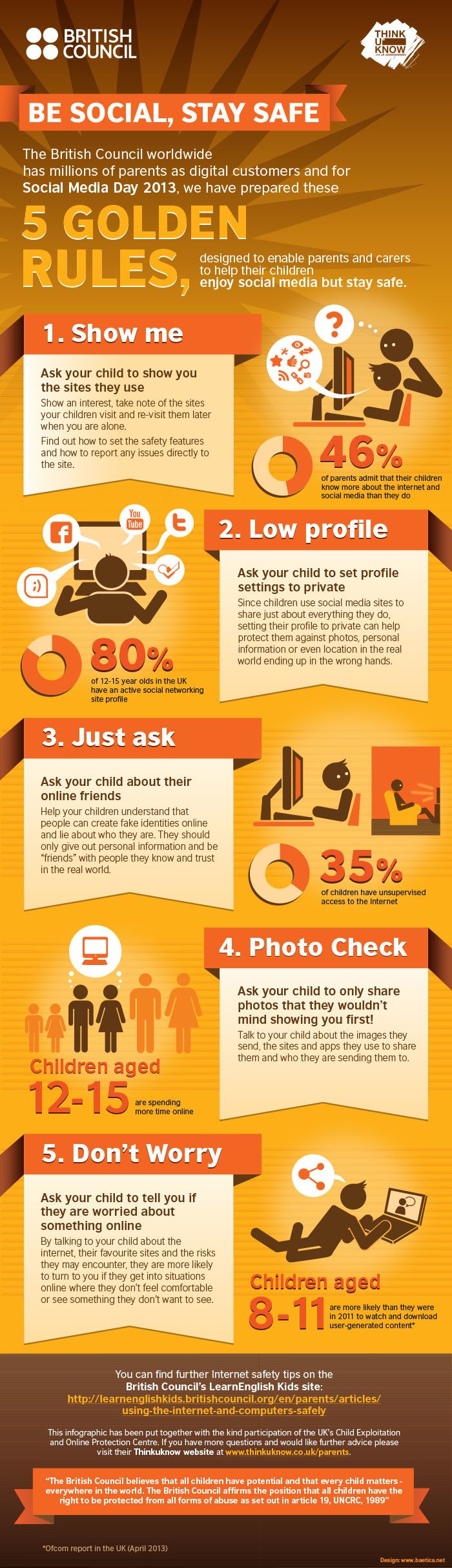
The core concepts within “simple internet safety rules for grade 1” encompass fundamental principles of online safety, presented in an age-appropriate manner. Children learn rules such as “Always ask a grown-up before going online” and “Keep personal information private.” Instruction covers practical tips, including sticking to trusted websites and reporting anything that feels uncomfortable or confusing. Educators introduce warning signs like unexpected pop-ups or requests for names and addresses, teaching children how to respond safely. Real-life scenarios, presented through stories or simple role-playing, help children understand what to do if an online game asks for a picture or if an unfamiliar video appears. Age-appropriate strategies utilize visual aids, repetitive lessons, and interactive discussions to reinforce learning. Educators and parents can scaffold learning progressively by building upon these basic rules, introducing more nuanced concepts as children mature. Practical classroom activities include drawing “safe internet” pictures, singing songs about online safety, and discussing short animated videos on the topic. Home-based approaches involve establishing family media plans, co-viewing online content, and maintaining open conversations about digital experiences, ensuring consistent reinforcement of safety principles. Browse more guides on Safe Wired Schools.
Explore More Resources
Embedding internet safety into a consistent learning routine holds immense value for children’s ongoing digital development. The foundational principles established through “simple internet safety rules for grade 1” serve as a springboard for continuous skill building. Educators and parents are encouraged to explore additional internet safety resources, comprehensive guides, and printable materials available at safewiredschools.org. Accessing these tools supports sustained learning and reinforces best practices in digital safety, empowering children to navigate the online world with confidence and security throughout their educational journey.
Developmental Milestone & Activity Table
| Development Stage | Recommended Daily Duration | Primary Learning Objective |
|---|---|---|
| Preschool & Pre-K | 10 – 15 Minutes | Pencil grip development & basic pre-stroke lines |
| Kindergarten | 15 – 20 Minutes | Letter/number formation & spatial line awareness |
| Early Elementary (Grade 1–2) | 20 – 30 Minutes | Fluency, sentence construction & neatness |
Images References