Why Creative Offline Tools Help Bridge Screen Time Gaps
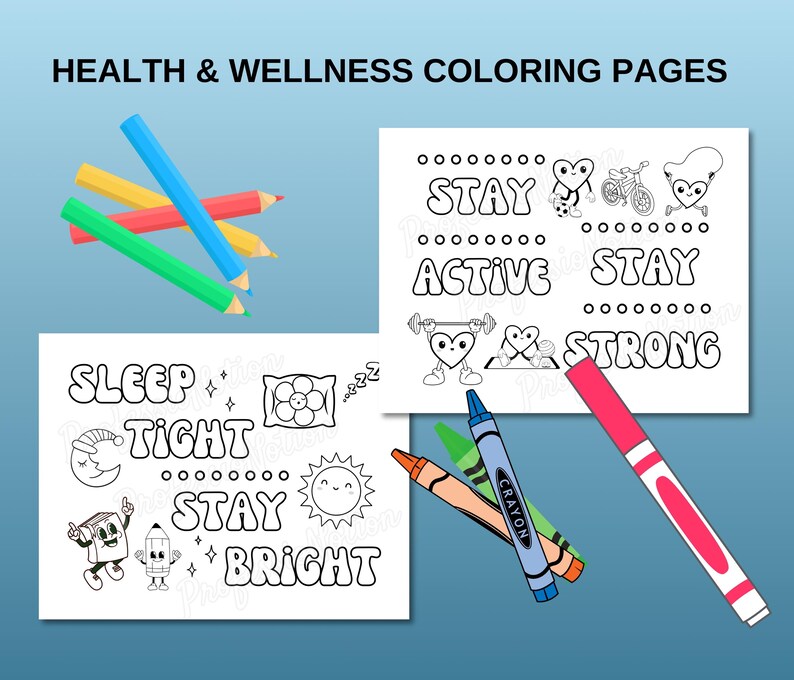
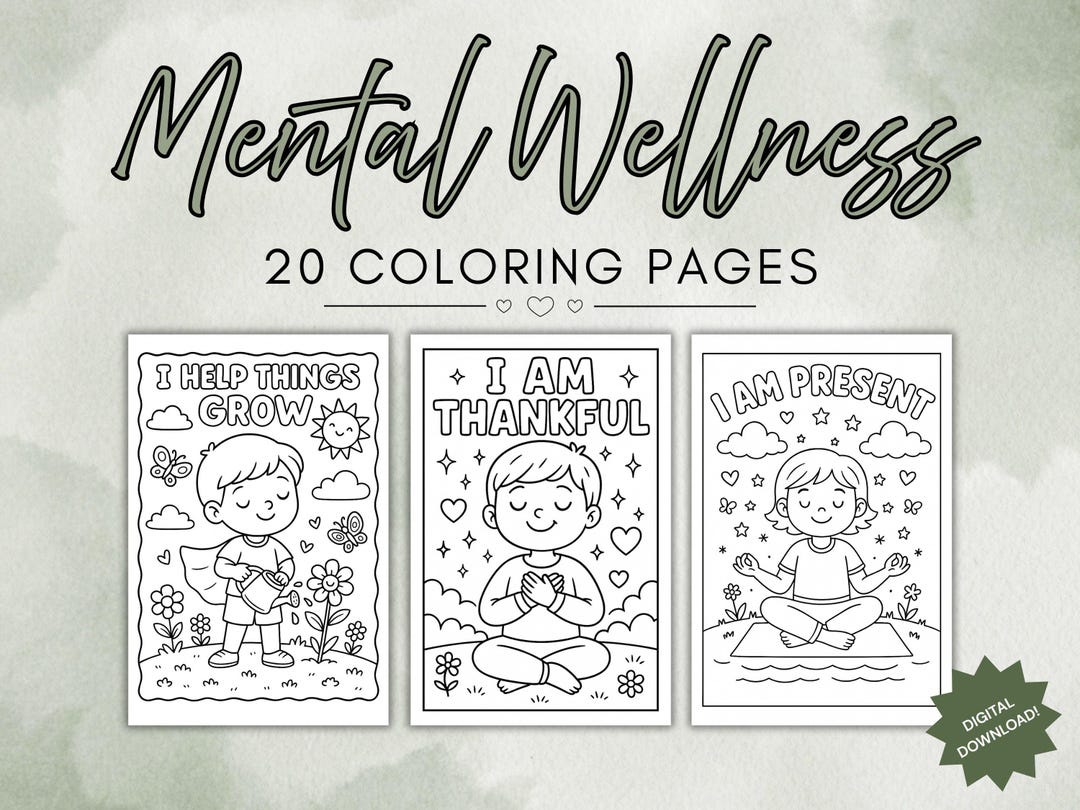
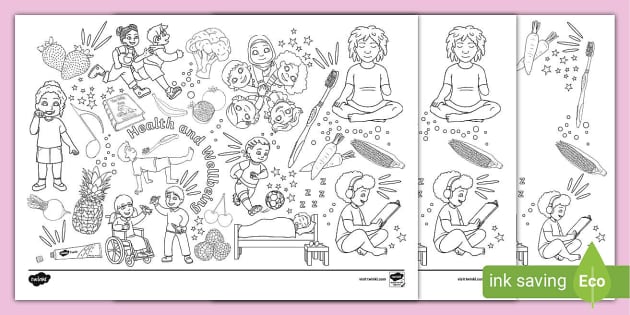
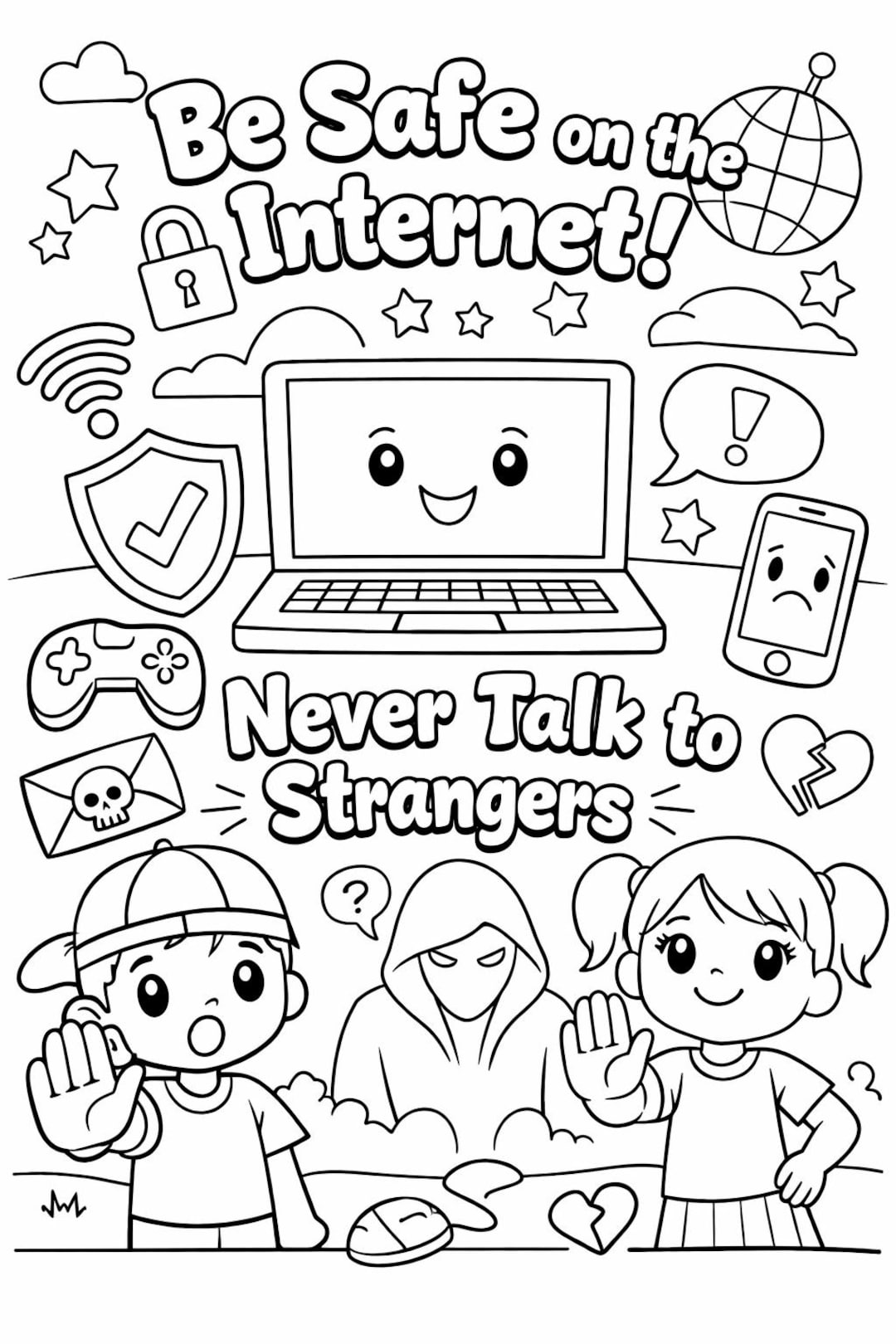
As educators and parents navigate the ever-expanding digital landscape, balancing device usage with purposeful offline engagement remains a top priority. Organizations like ConnectSafely and the Family Online Safety Institute repeatedly emphasize that true digital wellness is not just about blocking harmful content, but about teaching kids how to transition away from screens with intention. Introducing a digital wellness coloring page for kids offers a low-pressure, creative way to start vital conversations about internet safety, device boundaries, and emotional self-regulation without feeling like a lecture. By blending art therapy concepts with fundamental digital citizenship lessons, adults can help younger students process online etiquette, offline hobbies, and screen-free time in a tangible format. Related guide: Safer Internet Day Coloring Activity Sheets.
💡 Activity Key Takeaways:
- Core Focus: Printable Digital Wellness Coloring Page For Kids designed for creative expression and fine-motor coordination.
- Target Scope: Ideal for toddlers, preschool, kindergarten, and classroom art activities.
- Best Recommendation: Use standard heavy printer paper (24–28 lb) or cardstock for vibrant results with crayons, colored pencils, or washable markers.
Balancing Creativity and Caution: Assessing Digital Habits at Home and School
Even during creative offline activities, it is vital to keep track of how children interact with technology throughout their daily routines. Recognizing the signs of digital fatigue or over-reliance on screens requires a mix of thoughtful device controls and active behavioral observation. The matrix below outlines common vulnerability areas across home devices, school issued hardware, and casual browsing habits, along with actionable guardrails to protect young learners.
| Setting / Context | Common Vulnerability | Practical Safeguard |
|---|---|---|
| Home Tablets & Smartphones | Endless scrolling and unregulated autoplay loops leading to bedtime battles and fatigue. | Establish a centralized household charging station and use parental controls to set hard screen-time lockouts after dinner. |
| School Chromebooks & Laptops | Accidental navigation to unvetted external sites or distraction during independent study blocks. | Configure strict network-level filters and rely on classroom management tools that alert teachers to off-task browsing. |
| Social & Gaming Chat Rooms | Over-sharing personal details or interacting with unverified users in multiplayer environments. | Keep gaming consoles in shared family spaces, disable direct messaging features for younger kids, and review safety settings together. |
Actionable Steps for Establishing Healthy Screen Boundaries
Translating digital safety theory into daily practice requires consistent household rules and transparent school policies. When introducing topics like online privacy or screen-life balance, adults should pair interactive materials such as a digital wellness coloring page for kids with structured dialogue. Start by creating a predictable daily rhythm where device-free hours are celebrated rather than punished. Encourage children to unplug at least one hour before bedtime to support healthy sleep hygiene, aligning with guidance from youth privacy advocates. Furthermore, schools can integrate these creative worksheets into broader technology orientation units found within our Coloring Pages collection, allowing students to reflect on healthy tech habits through art.
Children and teens are remarkably resourceful when it comes to bypassing digital restrictions, whether they are finding ways around web filters on school laptops or negotiating for extra screen time on personal smartphones. When adults rely exclusively on heavy-handed technical bans, kids often respond by hiding their online activity or feeling resentful. Instead, pair technical safeguards with open, non-judgmental check-ins. If a student pushes back against device limits or expresses frustration about offline rules, acknowledge their feelings while holding firm on safety boundaries. Using creative prompts and guided worksheets from resources like our Worksheets directory can help kids express these frustrations constructively, turning a moment of conflict into an opportunity for mutual understanding.
Frequently Asked Questions About Integrating Creative Safety Tools
What age group benefits most from offline digital citizenship activities?
Children in elementary and early middle school benefit tremendously from tactile activities like coloring pages because they solidify abstract concepts like online kindness and screen balance through visual art.
How can teachers use creative wellness sheets in a tech-heavy classroom?
Educators can utilize these printables as calm-down transitions after heavy computer-based testing or as introductory hooks for digital citizenship lessons detailed in our Internet and Digital Safety hub.
Are offline activities enough to keep children safe online?
No, offline tools are designed to complement, not replace, robust technical controls, open communication, and active adult supervision during a child’s early digital journey.
Empowering Kids for a Balanced Digital Future
Promoting healthy online habits involves a continuous partnership between parents, educators, and the children in their care. By combining technical safety nets with creative, low-stress offline engagement, we can raise a generation of mindful digital citizens. To discover more practical tools, lesson plans, and guidance for your home or classroom, visit us today at SafeWiredSchools.org.
Printable Coloring Page Previews