Why an Internet Safety Pledge Coloring Page Printable is a Vital First Step
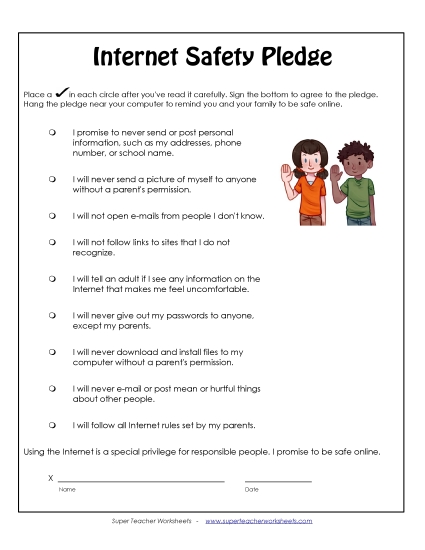
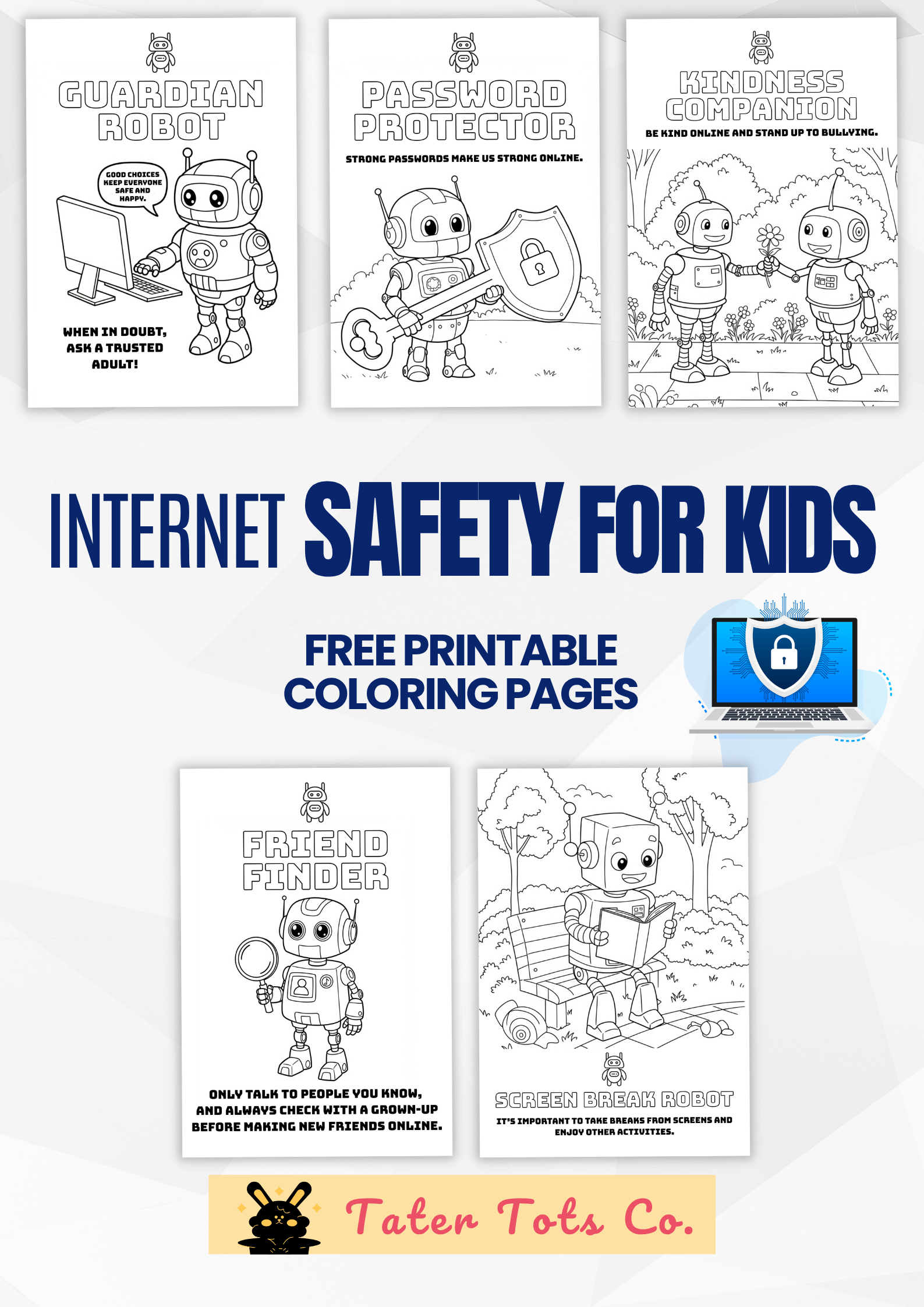
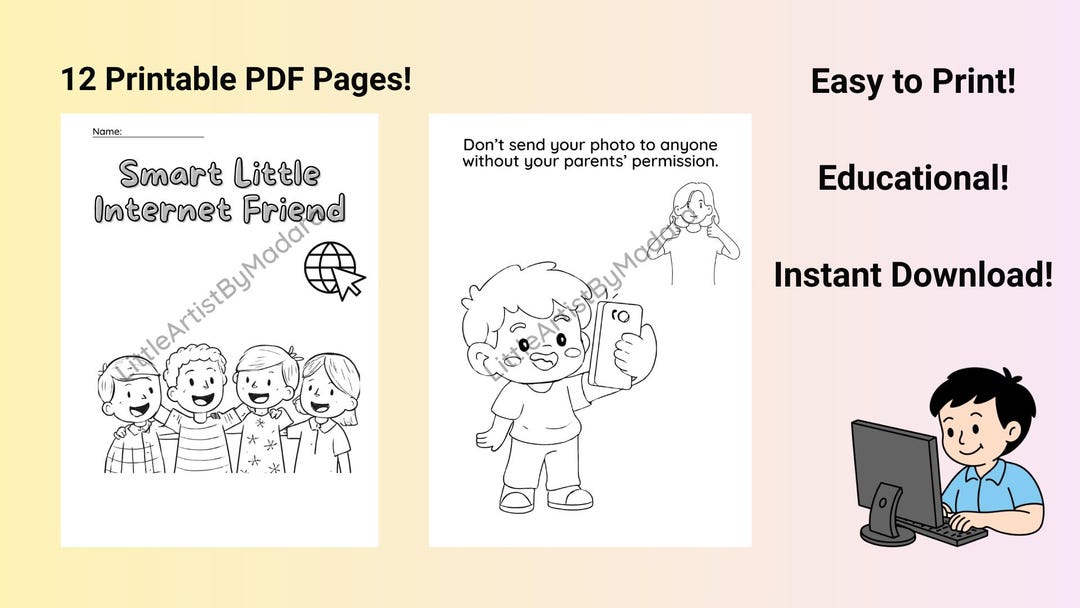
Teaching digital citizenship to younger students requires more than just lecture-based warnings; it requires tactile, memorable engagement. Using an Internet Safety Pledge Coloring Page Printable acts as a bridge between abstract safety concepts and daily habits. According to guidance from organizations like ConnectSafely, early intervention should focus on empowerment rather than fear. By coloring a pledge, students physically interact with core rules—such as keeping personal information private and telling a trusted adult if something feels wrong online—which helps encode these lessons into their long-term memory. This approach aligns with CISA’s recommendations for building resilience in youth by establishing clear, consistent expectations for digital behavior before they encounter complex online environments.
💡 Activity Key Takeaways:
- Core Focus: Printable Internet Safety Pledge Coloring Page Printable designed for creative expression and fine-motor coordination.
- Target Scope: Ideal for toddlers, preschool, kindergarten, and classroom art activities.
- Best Recommendation: Use standard heavy printer paper (24–28 lb) or cardstock for vibrant results with crayons, colored pencils, or washable markers.
Risk Signals and Preventive Guardrails for K-12 Environments
While creative activities build the foundation, technical guardrails provide the necessary structure. Adults must balance the artistic expression found in our Online and Digital Safety materials with robust device management to ensure a holistic protection strategy.
| Setting / Context | Common Vulnerability | Practical Safeguard |
|---|---|---|
| Home Devices | Unmonitored app downloads | Enable “Ask to Buy” and age-appropriate content restrictions. |
| School Chromebooks | Bypassing web filters | Use managed DNS and clear classroom monitoring software. |
| Social & Chat | Interactions with strangers | Keep accounts set to private; disable direct messaging features. |
Establishing Consistent Digital Citizenship Routines
Safety is not a one-time conversation but a continuous workflow. Once a student has completed their coloring page pledge, display it in a prominent location—like a home office or a classroom bulletin board—to serve as a visual reminder. To reinforce these habits, families and educators should implement shared charging zones where devices remain overnight, preventing late-night browsing. Furthermore, integrate two-factor authentication on all shared family accounts. When discussing these rules, frame them as “safety gear” rather than “punishment.” Providing students with a Worksheets-based checklist alongside their pledge encourages them to take ownership of their privacy settings, making them active participants in their own digital protection.
It is common for students to seek workarounds to restrictions, such as using incognito modes or alternative browsers. Instead of relying solely on strict bans, which often lead to secrecy, pair your technical filters with open-ended check-ins. If a child tries to circumvent a block, use it as a “teachable moment” rather than an immediate disciplinary action. Ask them why they felt the need to bypass the filter. Often, the desire is driven by curiosity or a need for peer connection rather than malice. By maintaining a calm, non-judgmental environment, you ensure that when a child does encounter something scary or inappropriate online, they feel safe coming to you for help rather than hiding the incident out of fear of losing their device access. Related guide: Two Factor Authentication Coloring Page Kids.
Common Questions About Digital Safety Pledges
At what age should I introduce an Internet Safety Pledge Coloring Page Printable?
These resources are best suited for children in grades K-3. At this age, the physical act of coloring helps reinforce simple, actionable rules like “never share my password” or “ask before downloading,” which are essential building blocks for Internet and Digital Safety.
Should the pledge be signed by the student?
Yes, having the child sign their name at the bottom of the coloring page adds a layer of personal commitment. It transforms the document from a piece of art into a formal agreement that they understand and intend to follow.
How often should we revisit these safety rules?
Digital safety should be discussed at the start of every school semester or whenever a child receives a new device. Consistency is key, so keep these visual reminders visible throughout the year to ensure the safety message remains fresh.
Explore More Digital Citizenship Resources
Integrating creative tools into your safety curriculum ensures that students remain engaged with the critical topic of online wellness. For more guides, printable activities, and expert advice on protecting students in the digital age, visit our full resource library at SafeWiredSchools.org.
Printable Coloring Page Previews