Introduction
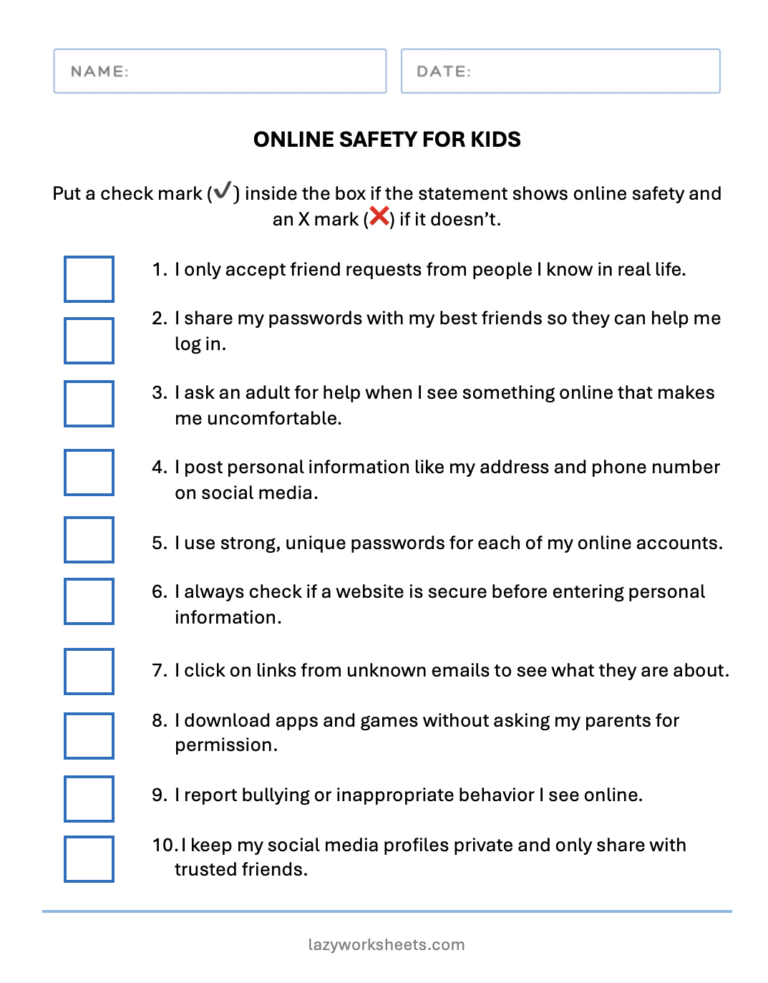
Navigating the digital landscape safely represents a paramount concern for today’s youth. Equipping children with the knowledge of how to report cyberbullying for kids is not merely an optional lesson but a foundational skill. This critical competency, spanning Elementary grades through Middle and High School, fosters responsible online behavior and reinforces personal safety protocols. Digital awareness begins with understanding potential harms and knowing the appropriate responses. Trusted educators, diligent parents, and dedicated school systems prioritize comprehensive internet safety education, recognizing its indispensable role in cultivating secure and informed digital citizens. This commitment ensures young individuals develop the necessary tools to manage online interactions effectively and confidently. Explore more in our Internet and Digital Safety category.
💡 Educational Key Takeaways:
- Core Skill: Structured How To Report Cyberbullying For Kids focused on developing pencil grip, stroke control, and early literacy/math confidence.
- Target Scope: Suited for homeschoolers, preschool, kindergarten, and elementary learners.
- Best Recommendation: Practice 10–15 minutes daily with ergonomic writing tools to reinforce muscle memory without hand fatigue.
Why This Topic Matters
Teaching reporting mechanisms for online harassment offers significant, measurable learning benefits for young internet users. Children develop crucial critical thinking skills online, enabling them to discern safe environments from potentially harmful situations. This understanding empowers them to recognize the warning signs of cyberbullying and other digital dangers. Establishing clear reporting procedures builds safe digital habits from an early age, promoting proactive engagement rather than passive vulnerability. Young people learn to assert their right to a respectful online experience, contributing to their overall well-being and resilience. These competencies align directly with established digital citizenship frameworks and support key child development milestones related to self-advocacy and problem-solving in a connected world. Related guide: Digital Bullying Prevention Activities For Young Children.
Key Concepts and Teaching Strategies
The core concepts for teaching children how to report cyberbullying encompass understanding online rules, practical safety tips, and recognizing specific warning signs. Educators and parents can introduce real-life scenarios through age-appropriate discussions, helping young learners internalize these lessons. For younger children, the strategy focuses on immediately informing a trusted adulta parent, teacher, or guardian. Older students learn to utilize platform-specific reporting tools, block features, and document incidents, alongside the continued importance of adult guidance. Scaffolding learning progressively involves starting with simple rules for elementary students and advancing to detailed reporting protocols and digital footprint awareness for middle and high schoolers. Practical classroom activities might include role-playing conversations about reporting incidents, while home-based approaches encourage open dialogue about daily online experiences and consistent reinforcement of safe practices. Browse more guides on Safe Wired Schools.
Explore More Resources
Embedding digital safety education as a consistent part of learning routines proves invaluable for long-term protection. The ability to effectively address cyberbullying forms a crucial component of this ongoing process. Educators and parents are encouraged to explore additional internet safety resources, comprehensive guides, and printable materials available at safewiredschools.org. Continued skill development in digital literacy supports a safer, more positive online experience for every student. Accessing these tools ensures sustained vigilance and robust preparation against evolving online challenges.
Developmental Milestone & Activity Table
| Development Stage | Recommended Daily Duration | Primary Learning Objective |
|---|---|---|
| Preschool & Pre-K | 10 – 15 Minutes | Pencil grip development & basic pre-stroke lines |
| Kindergarten | 15 – 20 Minutes | Letter/number formation & spatial line awareness |
| Early Elementary (Grade 1–2) | 20 – 30 Minutes | Fluency, sentence construction & neatness |