Introduction
The development of an “internet safety rules list for students” represents a cornerstone of modern digital education. This crucial resource serves students from Elementary grades (ages 5-10) through Middle and High School (ages 11-18), providing foundational knowledge for navigating the online world securely. Establishing clear internet safety guidelines is essential for fostering digital awareness, promoting responsible online behavior, and ensuring personal safety across all age groups. Education in this domain stands as a trusted priority for educators, parents, and schools, reflecting a collective commitment to equipping young individuals with the skills necessary for a positive and protected digital experience. Proactive instruction in online safety empowers students to make informed decisions, minimizing risks and maximizing learning opportunities in connected environments. Explore more in our Internet and Digital Safety category.
💡 Educational Key Takeaways:
- Core Skill: Structured Internet Safety Rules List For Students focused on developing pencil grip, stroke control, and early literacy/math confidence.
- Target Scope: Suited for homeschoolers, preschool, kindergarten, and elementary learners.
- Best Recommendation: Practice 10–15 minutes daily with ergonomic writing tools to reinforce muscle memory without hand fatigue.
Why This Topic Matters
Providing an “internet safety rules list for students” delivers specific, measurable learning benefits vital for healthy development in the digital age. Students acquire critical thinking skills essential for evaluating online content and interactions. This targeted education enables the recognition of potential dangers, from misinformation to inappropriate contact, fostering a cautious yet confident online presence. Building safe digital habits, such as strong password creation and privacy management, becomes intuitive and ingrained from an early age. The consistent application of these rules cultivates responsible internet use, aligning directly with established digital citizenship frameworks and key child development milestones. This proactive approach ensures students develop into thoughtful, ethical, and secure participants in the global digital community. Related guide: Teachers Of Grades 9–12 Should Expand Internet Safety Instruction To Include Which Of The Following Topics?.
Key Concepts and Teaching Strategies
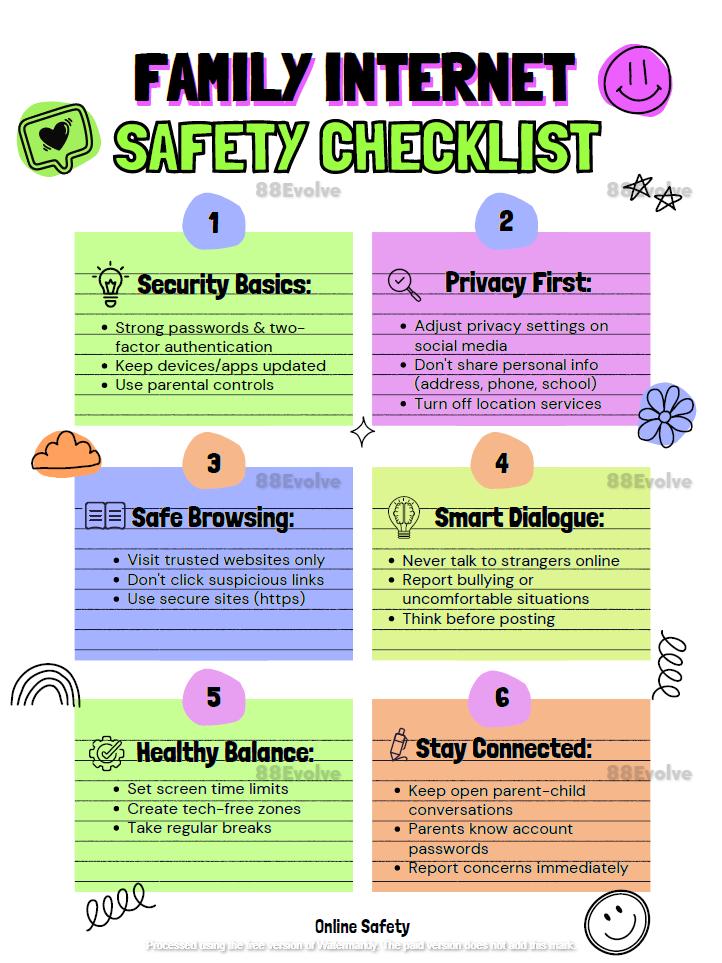
The “internet safety rules list for students” encompasses core concepts including practical rules, helpful tips, and identifiable warning signs of online risks. Real-life scenarios are utilized to illustrate potential dangers and appropriate responses, making abstract concepts concrete and relatable. Age-appropriate strategies are paramount, with simpler, direct messages for younger learners progressing to more nuanced discussions for older students about digital footprints and cyberbullying. Educators and parents can effectively scaffold learning by introducing fundamental concepts early and gradually expanding on them as students mature. Practical classroom activities, such as role-playing online interactions and analyzing anonymous case studies, reinforce understanding. Discussion prompts facilitate open communication about online experiences, while home-based approaches, including family media plans and joint exploration of educational websites, strengthen consistent safety practices. Browse more guides on Safe Wired Schools.
Explore More Resources
Implementing an “internet safety rules list for students” is a continuous process, reinforcing the topic’s value within a consistent digital safety learning routine. Regular review and adaptation of these guidelines ensure their ongoing relevance in an evolving digital landscape. Sustained engagement with internet safety principles builds resilience and adaptability in young digital citizens. Educators and parents are encouraged to explore the comprehensive internet safety resources, guides, and printable materials available at safewiredschools.org. These supplementary tools support continued skill development and provide practical assistance for fostering a secure and responsible online culture within both school and home environments.
Visual Reference Gallery



Developmental Milestone & Activity Table
| Development Stage | Recommended Daily Duration | Primary Learning Objective |
|---|---|---|
| Preschool & Pre-K | 10 – 15 Minutes | Pencil grip development & basic pre-stroke lines |
| Kindergarten | 15 – 20 Minutes | Letter/number formation & spatial line awareness |
| Early Elementary (Grade 1–2) | 20 – 30 Minutes | Fluency, sentence construction & neatness |