Introduction
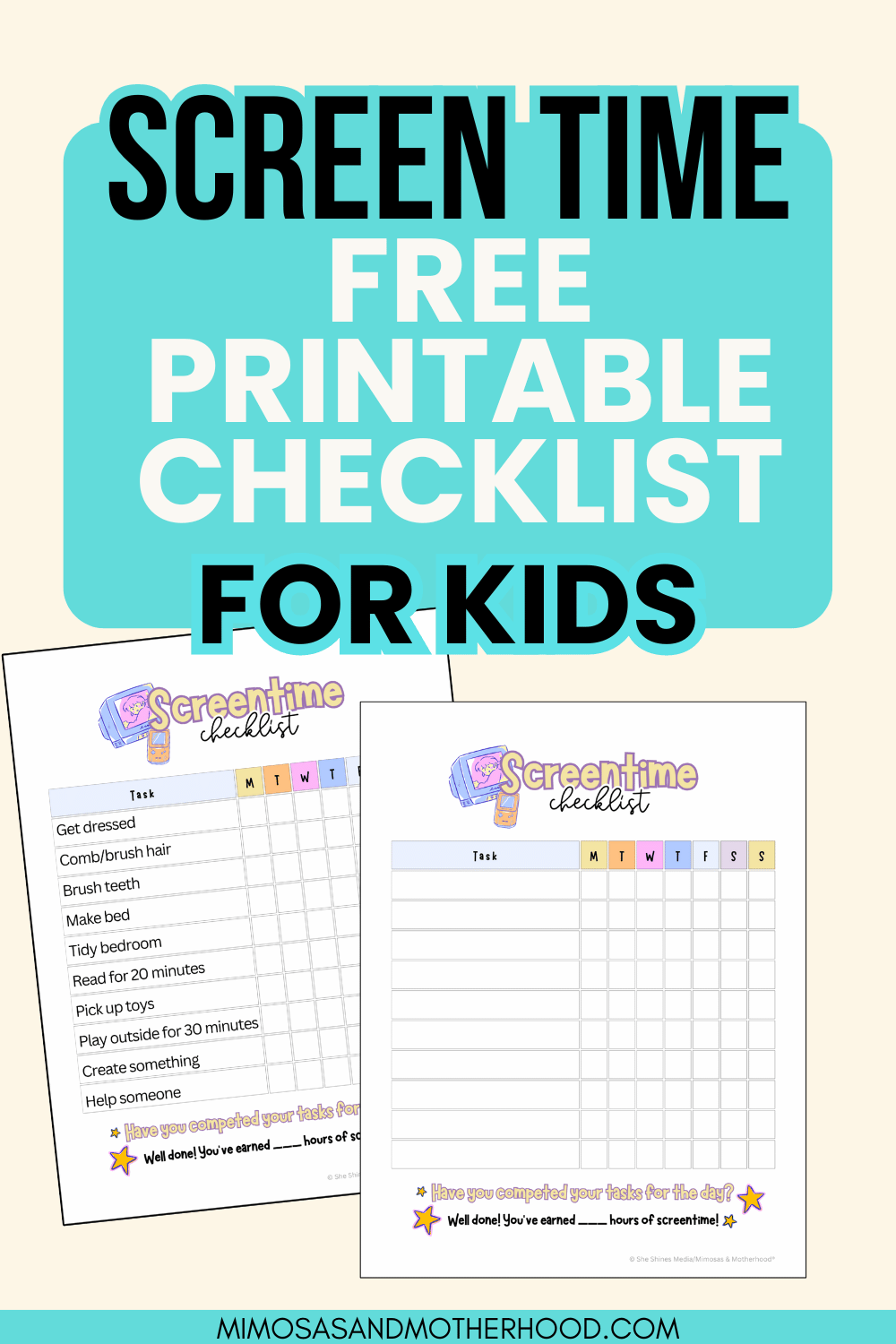
The resource, “daily screen time checklist for families,” functions primarily as a noun, a tangible tool designed to facilitate responsible digital habits. This printable checklist is highly relevant for Elementary grades 15 and Middle/High School grades 612, offering a practical framework for managing screen engagement across a broad age range. It plays a crucial role in reinforcing fundamental internet safety concepts by translating abstract ideas into concrete, actionable steps. Printable learning resources, such as this checklist, are widely trusted by educators and parents due to their direct engagement value. They provide a hands-on method for building digital awareness, encouraging self-regulation, and fostering responsible online behavior. The physical act of checking off tasks helps learners internalize routines and take ownership of their digital choices, making these worksheets indispensable in both home and classroom environments for developing essential digital citizenship skills.
💡 Educational Key Takeaways:
- Core Skill: Structured Daily Screen Time Checklist For Families focused on developing pencil grip, stroke control, and early literacy/math confidence.
- Target Scope: Suited for homeschoolers, preschool, kindergarten, and elementary learners.
- Best Recommendation: Practice 10–15 minutes daily with ergonomic writing tools to reinforce muscle memory without hand fatigue.
What This Worksheet Covers
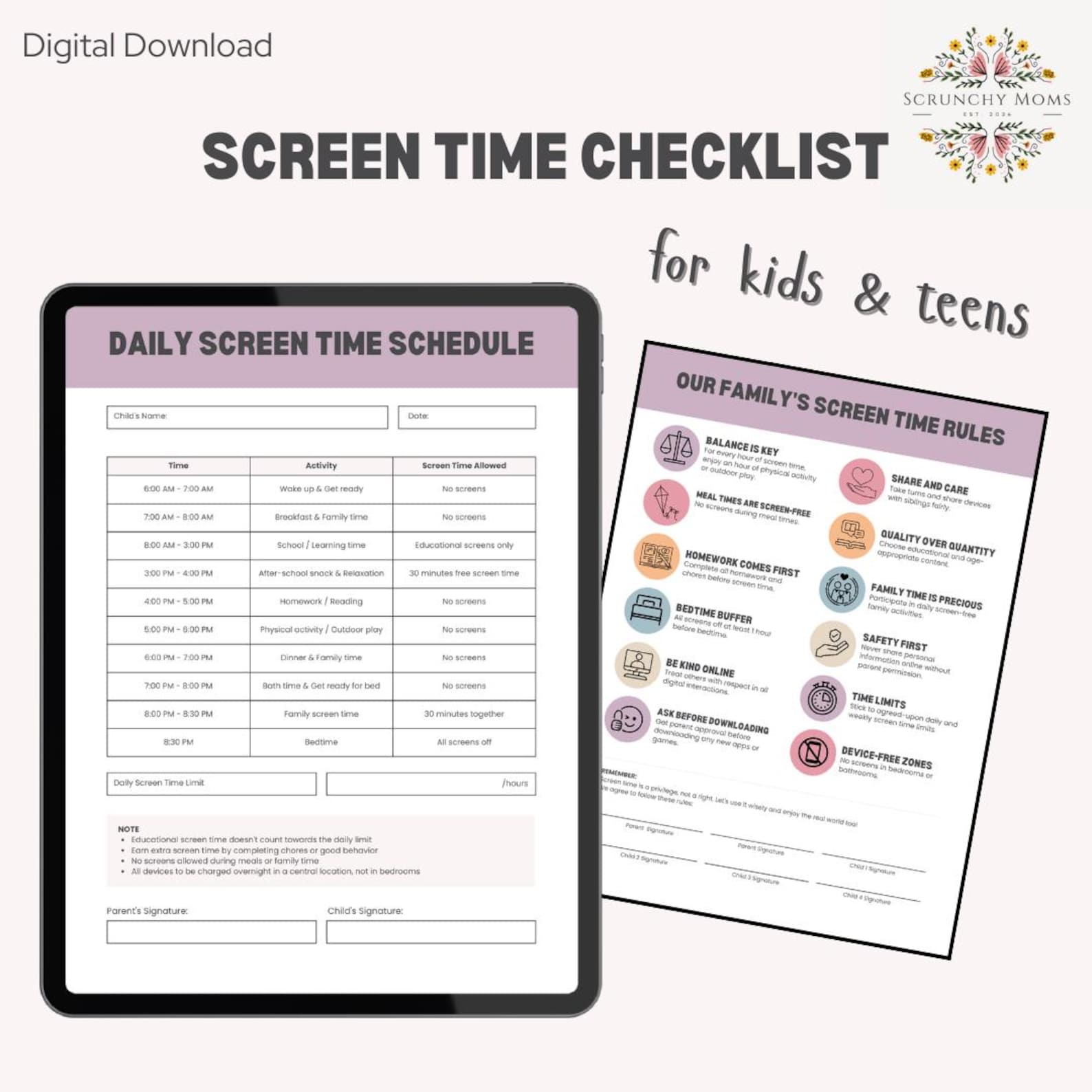
The “daily screen time checklist for families” directly addresses the critical internet safety topic of balanced screen time management and digital wellness. This resource guides individuals and families in establishing healthy routines for device usage. Concepts covered include identifying appropriate times for screen engagement, recognizing the importance of breaks, and understanding the value of offline activities. The checklist helps reinforce rules around device-free zones and specific daily tasks that should be completed before screen access. It encourages the development of self-monitoring skills and promotes family discussions about digital habits. The content directly aligns with recognized digital citizenship standards that advocate for healthy media use, responsible technology choices, and maintaining a balanced lifestyle in the digital age, thereby contributing to comprehensive child safety education. Related guide: Online Safety And Netiquette Lesson Plan Grade 4.
Key Learning Outcomes
Completing the “daily screen time checklist for families” helps develop several essential skills and knowledge areas:
- Understanding Balanced Screen Use: Individuals learn to differentiate between excessive and appropriate screen time, recognizing the benefits of moderation.
- Developing Self-Regulation Habits: The checklist fosters the ability to manage personal device usage independently, building discipline in adhering to established limits.
- Identifying Offline Priorities: Learners become adept at prioritizing non-screen activities, such as homework, chores, and physical play, before engaging with digital devices.
- Promoting Family Communication: The resource encourages open dialogue within families about screen time expectations, rules, and the importance of shared digital boundaries.
- Establishing Healthy Digital Routines: Consistent use helps individuals internalize and apply a structured approach to daily screen engagement, integrating it seamlessly into a balanced lifestyle.
How to Use This Worksheet
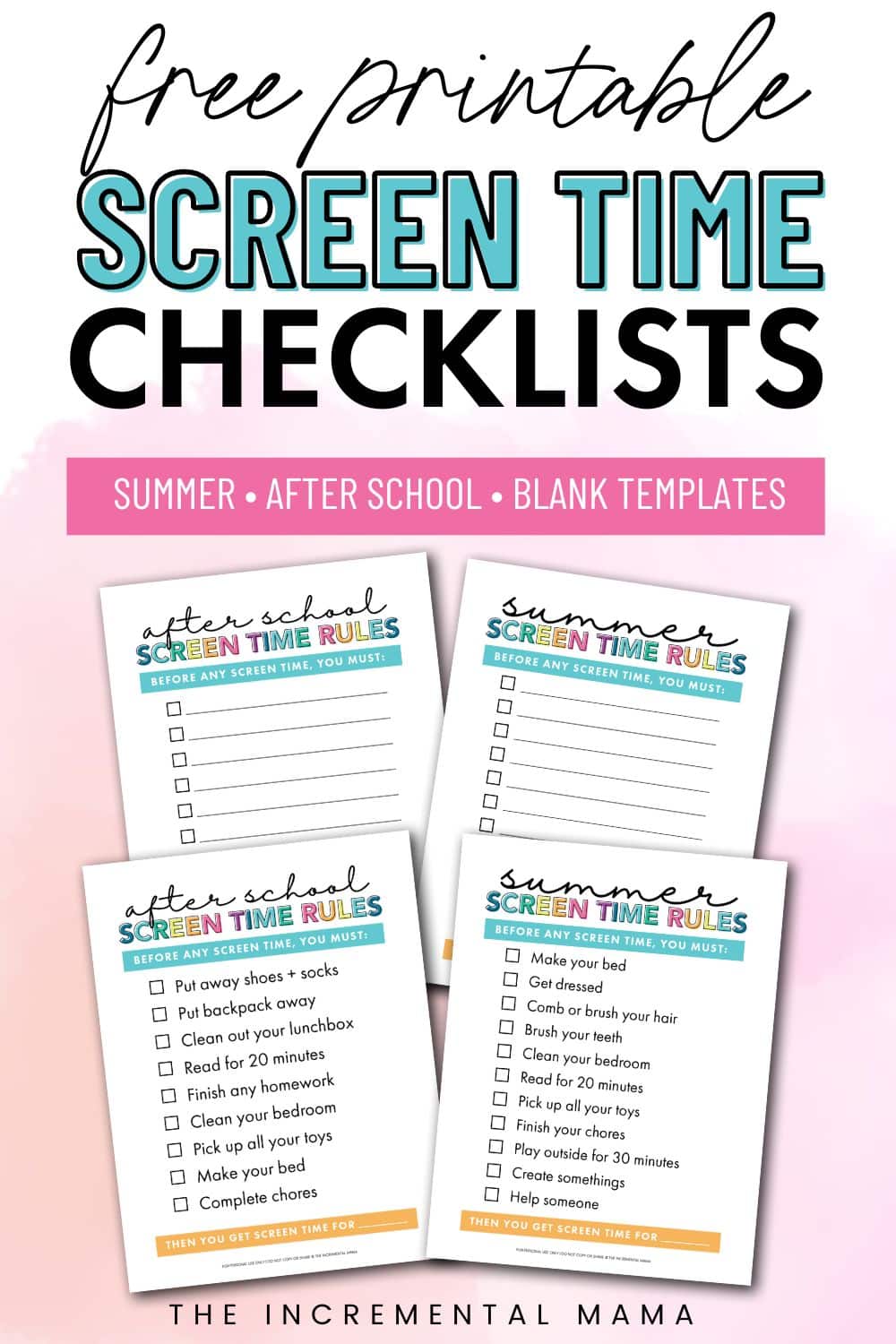
Educators and parents can effectively integrate the “daily screen time checklist for families” into daily routines to promote mindful digital habits. The worksheet functions as a straightforward tracking and reflection activity, featuring a list of common responsibilities and healthy practices that individuals can check off as they are completed. Its difficulty level is accessible, designed to be easily understood by a wide age range, with instructions scaffolding learning by clearly delineating tasks. For younger learners, visual cues or simplified language can be incorporated. The checklist can serve as a standalone daily reminder, a consistent component of a broader lesson plan on digital citizenship, or as a practical homework assignment to foster responsibility at home. Its format encourages active participation and immediate application of learned concepts, making digital wellness an ongoing practice rather than a one-time discussion. Browse more guides on Safe Wired Schools.
Practical Tips for Parents and Teachers
- Collaborative Setup: Before initial use, involve learners in personalizing the checklist. Discuss each item, clarify expectations, and allow for minor adjustments to foster a sense of ownership.
- Consistent Implementation: Encourage daily use of the checklist at a predictable time, such as before school or after dinner. Consistency helps embed healthy screen time habits into a regular routine.
- Post-Completion Discussion: After the checklist is completed, engage in a brief conversation. Ask questions like, “What did you accomplish today before screens?” or “How did completing your tasks feel?” to reinforce positive behaviors.
- Visual Reinforcement: Display the completed checklists in a prominent location, such as on a refrigerator or classroom bulletin board. This visual reminder celebrates achievements and reinforces the importance of the routine.
- Extend the Learning: Connect checklist items to broader discussions about well-being. Explore the benefits of physical activity, reading, and family time as alternatives to screen engagement, expanding on the concept of a balanced life.
Age-Appropriate Recommendations
Adapting the “daily screen time checklist for families” ensures maximum effectiveness across various developmental stages.
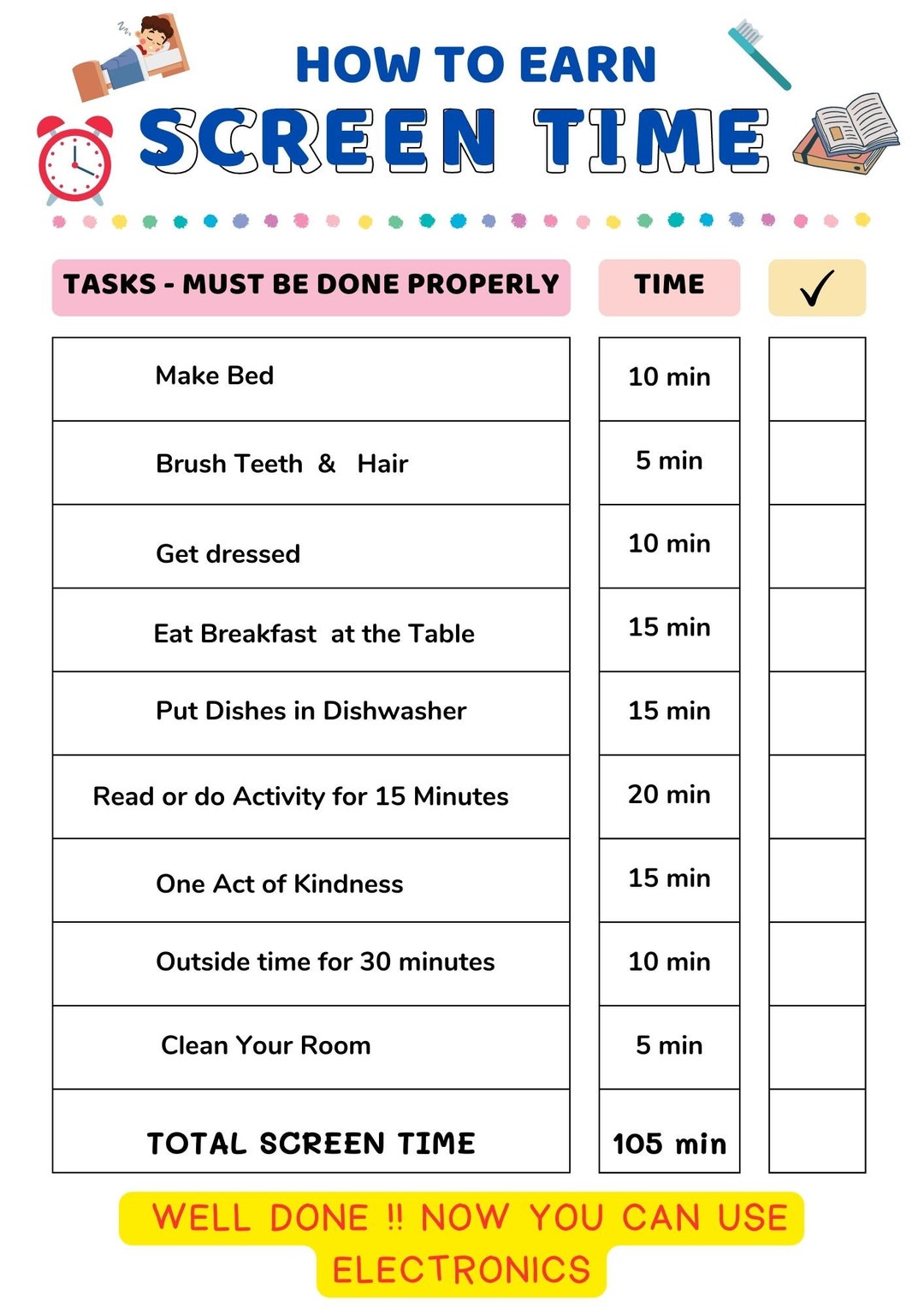
Ages 58 (Early Elementary): For this age group, the checklist should be introduced as a fun game or a daily helper. Vocabulary support is crucial; use simple, direct language and pair items with clear pictures or symbols. Parental or teacher involvement is high, with adults guiding children through each item, celebrating completion, and helping to check off tasks. Pacing should be gentle, focusing on one or two key habits at a time, such as “Finish homework” or “Play outside.” The emphasis remains on establishing foundational routines and understanding the concept of earning screen time through responsible actions.
Ages 912 (Late Elementary/Early Middle School): At this stage, learners can take more ownership of the checklist. The language can be slightly more detailed, and the focus shifts to developing independence in managing tasks. Adult involvement transitions to supervision and guidance rather than direct assistance. Discussions should encourage reflection on choices and the impact of completing (or not completing) items before screen access. This age group benefits from setting small personal goals related to their checklist, fostering a sense of accomplishment and self-motivation in balancing digital and offline activities.
Ages 1318 (Middle/High School): For older students, the checklist transforms into a tool for self-management and personal accountability. The approach should emphasize self-regulation and time management skills. The checklist can be customized to include more complex tasks, such as “Complete study goals” or “Engage in a hobby.” Adult involvement becomes advisory, focusing on mentoring and open dialogue about balancing academic demands, social life, and digital engagement. The checklist helps these learners visualize their priorities and proactively manage their digital footprint, promoting responsible digital citizenship as they gain more autonomy over their device usage.
Frequently Asked Questions
Q: What specific types of tasks are typically included on the “daily screen time checklist for families”?
A: The checklist commonly includes tasks such as completing homework, finishing chores, engaging in physical activity, reading a book, or having family time, all to be done before accessing screens. These items promote a balanced routine.
Q: Can the “daily screen time checklist for families” be customized for individual household needs?
A: Yes, the printable format allows for easy customization. Families can add or remove tasks, adjust wording, and personalize the checklist to perfectly fit their unique routines and priorities, making it highly adaptable.
Q: Where can educators and parents download the free printable “daily screen time checklist for families”?
A: This free printable resource is available for immediate download on the SafeWiredSchools.org website. Navigate to the “Worksheets” section to access and print it for use at home or in the classroom.
Explore More Free Printable Worksheets
A single resource, while valuable, works best as part of a comprehensive and consistent digital safety learning routine. The “daily screen time checklist for families” provides an excellent foundation for healthy digital habits, but it represents just one facet of a complete internet safety curriculum. Educators and parents are invited to explore a full collection of free printable internet safety worksheets, activity sheets, checklists, quizzes, and more at SafeWiredSchools.org Worksheets. These resources cover every essential internet safety topic, from privacy and cyberbullying to critical thinking online, and are thoughtfully designed for every grade level and learning environment. Building a robust understanding of digital citizenship requires ongoing engagement with diverse, age-appropriate educational tools.
Developmental Milestone & Activity Table
| Development Stage | Recommended Daily Duration | Primary Learning Objective |
|---|---|---|
| Preschool & Pre-K | 10 – 15 Minutes | Pencil grip development & basic pre-stroke lines |
| Kindergarten | 15 – 20 Minutes | Letter/number formation & spatial line awareness |
| Early Elementary (Grade 1–2) | 20 – 30 Minutes | Fluency, sentence construction & neatness |
Images References