Introduction
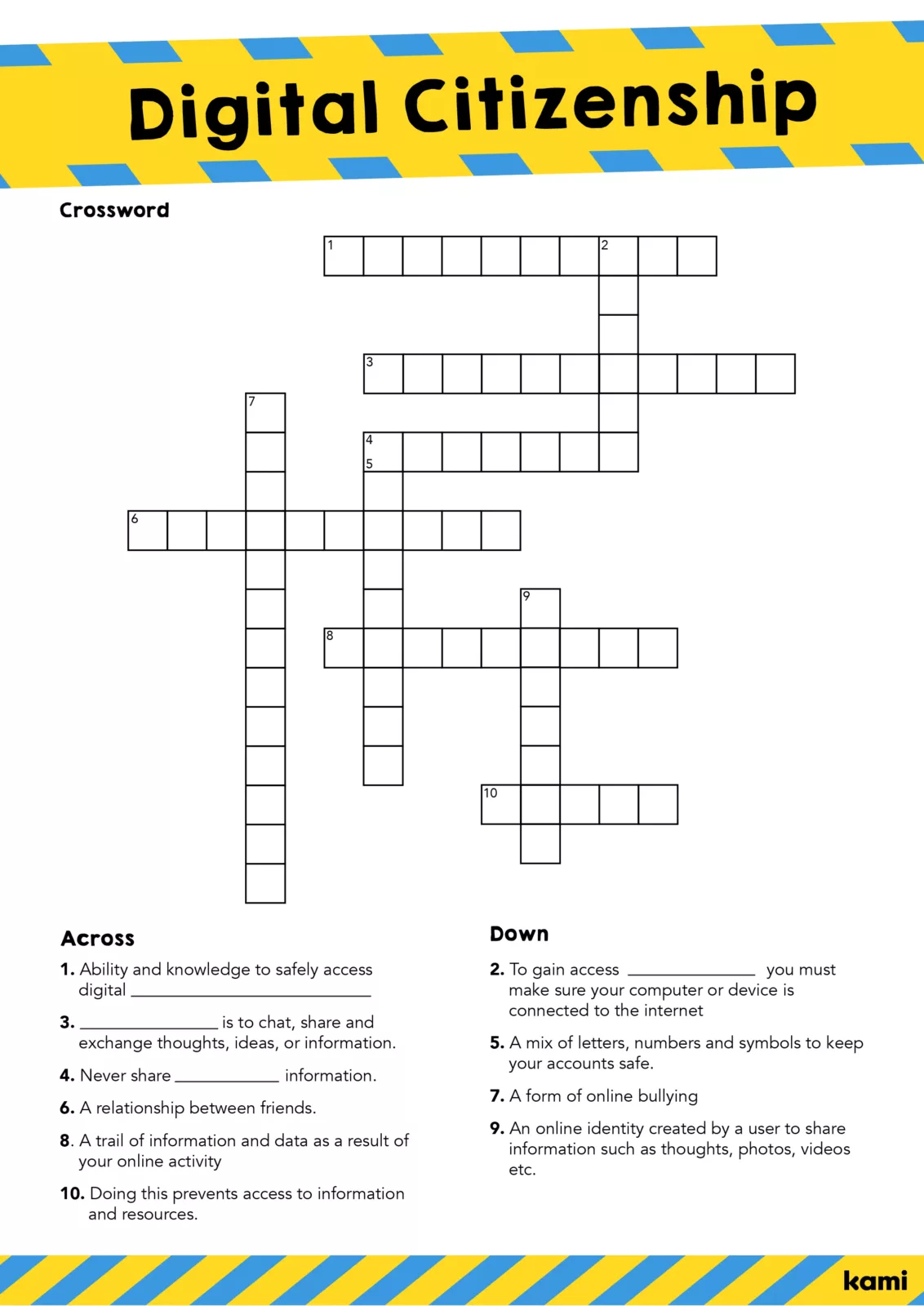
The journey into responsible online behavior begins at an early age. Equipping young learners with foundational digital citizenship skills is paramount in today’s interconnected world. A valuable resource for this crucial education is the free, printable digital citizenship worksheet for grade 2, available through SafeWiredSchools.org. This resource targets elementary students, specifically those in Grade 2, typically ages seven to eight years old. It provides a structured, hands-on approach to introducing vital internet safety concepts, reinforcing lessons through engaging activities. Printable worksheets are enduringly trusted tools by educators and parents alike, offering a tangible, screen-free method for building digital awareness and fostering responsible online conduct. They allow for focused learning, encourage critical thinking away from device distractions, and provide concrete evidence of understanding. This particular worksheet serves as an excellent starting point for establishing a strong foundation in digital literacy and safe online practices.
💡 Educational Key Takeaways:
- Core Skill: Structured Digital Citizenship Worksheet For Grade 2 focused on developing pencil grip, stroke control, and early literacy/math confidence.
- Target Scope: Suited for homeschoolers, preschool, kindergarten, and elementary learners.
- Best Recommendation: Practice 10–15 minutes daily with ergonomic writing tools to reinforce muscle memory without hand fatigue.
What This Worksheet Covers
The digital citizenship worksheet for grade 2 addresses core internet safety topics pertinent to young children navigating their first digital interactions. Key concepts explored include identifying trusted adults for online assistance, understanding the types of personal information that should never be shared online (such as full names, addresses, or phone numbers), and recognizing the importance of asking permission from a parent or guardian before clicking links, downloading content, or visiting new websites. The worksheet also introduces the idea of reporting anything that makes a child feel uncomfortable or unsafe online to a trusted grown-up. Simple scenarios help children differentiate between safe and potentially unsafe online situations, promoting thoughtful decision-making. The content aligns with widely recognized digital citizenship frameworks, emphasizing safety, privacy, and respectful interaction at an age-appropriate level, preparing children for future digital challenges.
Key Learning Outcomes
Upon completion of the digital citizenship worksheet for grade 2, learners will develop several critical skills and areas of knowledge essential for safe online engagement:. Browse more guides on Safe Wired Schools.
- Students will accurately identify at least three trusted adults whom they can approach with online safety concerns.
- Children will recognize and list specific examples of personal information that should remain private online.
- Learners will demonstrate an understanding of the necessity of seeking permission before engaging with new online content or applications.
- Students will be able to articulate one or two steps to take if they encounter something uncomfortable or confusing online.
- Children will begin to develop a foundational awareness of what constitutes respectful and kind behavior in digital spaces.
How to Use This Worksheet
The digital citizenship worksheet for grade 2 is designed for flexible implementation in both classroom and home settings. Its format typically includes a mix of engaging activity types, such as drawing prompts to illustrate safe online behaviors, simple matching exercises to pair concepts with their definitions, and true/false questions to test basic understanding. Scenario-based questions, like “What would you do if a stranger messaged you online?”, encourage critical thinking and problem-solving. The difficulty level is carefully calibrated for second-grade comprehension, with clear, concise instructions that scaffold learning progressively. This worksheet can function effectively as a standalone activity to introduce a new concept, as an integral part of a broader lesson plan on internet safety, or as a thoughtful homework assignment to reinforce classroom discussions and promote family dialogue around digital citizenship. Its printable nature allows for repeated use and easy distribution, making it a versatile educational tool.
Practical Tips for Parents and Teachers
- Review Beforehand: Educators and parents should review the digital citizenship worksheet for grade 2 before presenting it to children. This allows for anticipation of potential questions and preparation of relevant real-world examples to enhance understanding.
- Facilitate Discussion: Do not simply hand out the worksheet. Engage children in a brief discussion before, during, and after completion. Ask open-ended questions like, “Why is it important not to share your address online?” or “Who is a trusted adult you would talk to?”
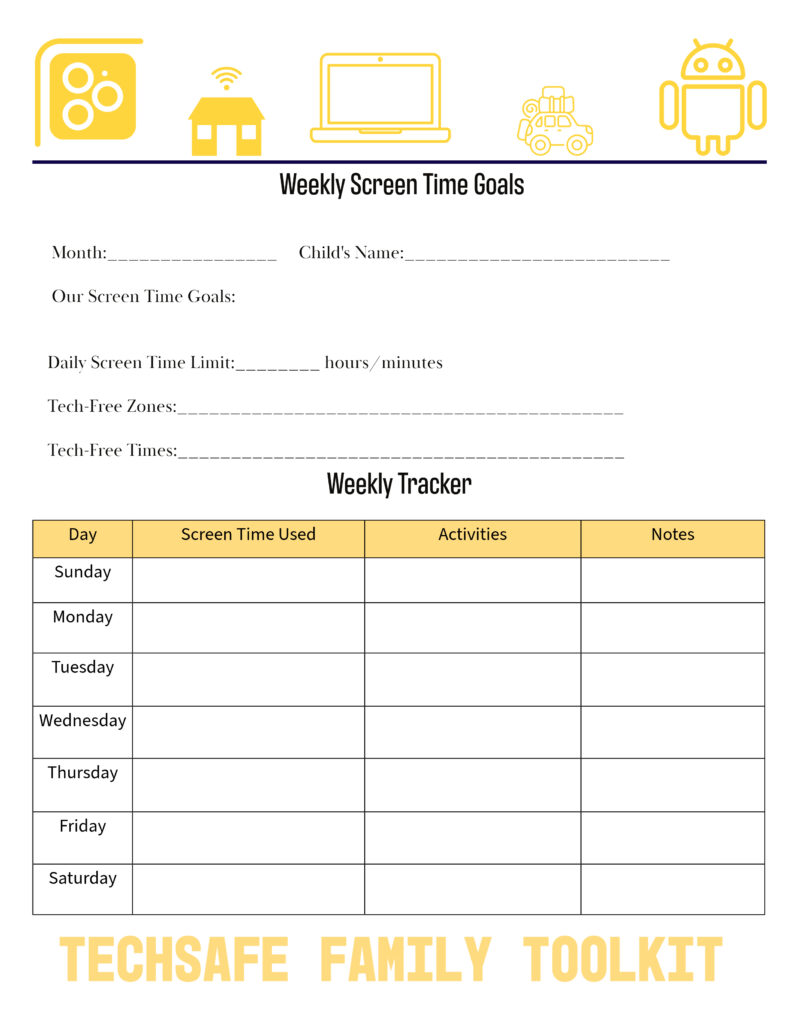
- Connect to Real Life: Relate the worksheet concepts to children’s actual online experiences. Discuss the websites they visit, the games they play, or any family rules about screen time. This makes the learning immediately relevant and impactful.
- Extend the Learning: After completing the worksheet, consider follow-up activities. This might involve creating a family internet safety pledge, role-playing scenarios, or drawing more pictures about safe online practices. Consistency reinforces messages.
- Positive Reinforcement: Acknowledge and praise children’s efforts and correct answers. Encourage their questions and curiosity about online safety, fostering an environment where they feel comfortable discussing digital topics.
Age-Appropriate Recommendations
While the digital citizenship worksheet for grade 2 is specifically tailored for children aged seven to eight, its foundational principles can be adapted for slightly younger or older learners with appropriate guidance. For Ages 5-6 (Kindergarten-Grade 1), the worksheet can be introduced with significant adult support. Vocabulary may need simplification, and activities like drawing or matching might be prioritized over written responses. Discussions should be kept very brief and focused on one concept at a time, such as identifying a trusted adult. For Ages 7-8 (Grade 2), the worksheet serves as an ideal primary resource. Learners at this stage can engage with most activities independently or with minimal guidance, benefiting from direct instruction, guided practice, and follow-up discussions that solidify their understanding of personal information, permission-seeking, and reporting. For Ages 9-10 (Grades 3-4), this worksheet can serve as a valuable review or a quick pre-assessment of basic concepts before delving into more complex topics like cyberbullying or digital footprints. Discussions can be more nuanced, exploring “why” certain rules exist and encouraging children to explain their reasoning for choices in scenarios. Across all age bands, the consistent involvement of a caring adult is crucial for contextualizing the information and promoting lasting safe online habits.
Frequently Asked Questions
Q: What is digital citizenship for Grade 2 learners?
A: Digital citizenship for Grade 2 involves understanding basic rules for safe and responsible online behavior, such as keeping personal information private, knowing when to ask for permission, and identifying trusted adults for help. It focuses on foundational skills for navigating the internet safely.
Q: How can this “digital citizenship worksheet for grade 2” be accessed?
A: This free, printable resource is available for immediate download on SafeWiredSchools.org. Simply navigate to the worksheets section to locate and print the resource for use in classrooms or at home.
Q: How long does it typically take for a second-grade student to complete this worksheet?
A: Completion time varies by individual, but most second-grade students can complete the “digital citizenship worksheet for grade 2” within 15 to 25 minutes. Allowing additional time for discussion before and after the activity enhances learning and engagement.
Explore More Free Printable Worksheets
A single resource, however valuable, works best when integrated into a consistent and comprehensive digital safety learning routine. The digital citizenship worksheet for grade 2 provides an excellent foundation, but continuous learning is key. Educators and parents are invited to explore a full collection of free printable internet safety worksheets, activity sheets, checklists, quizzes, and more at SafeWiredSchools.org Worksheets. These resources cover every essential internet safety topic, from media literacy to online privacy and cyberbullying prevention, and are thoughtfully designed for every grade level and diverse learning environments. Building a robust understanding of digital citizenship requires ongoing reinforcement, and this extensive library of printable tools offers continuous support for learners of all ages.
Developmental Milestone & Activity Table
| Development Stage | Recommended Daily Duration | Primary Learning Objective |
|---|---|---|
| Preschool & Pre-K | 10 – 15 Minutes | Pencil grip development & basic pre-stroke lines |
| Kindergarten | 15 – 20 Minutes | Letter/number formation & spatial line awareness |
| Early Elementary (Grade 1–2) | 20 – 30 Minutes | Fluency, sentence construction & neatness |
Images References