Introduction
The digital landscape introduces exciting opportunities for learning and connection, yet it also presents new challenges, even for the youngest internet users. Addressing these challenges proactively forms a cornerstone of responsible digital citizenship. For elementary grades, specifically grade 2, foundational internet safety education is crucial. A valuable resource designed for this age group is the free printable “cyberbullying worksheet for grade 2,” a tool specifically crafted to introduce critical concepts in an accessible format. Printable worksheets remain trusted educational instruments for both educators and parents, providing a tangible, hands-on method to reinforce complex ideas. This type of resource effectively builds digital awareness, encourages responsible online behavior, and helps children develop essential protective skills in a familiar, structured learning environment. The tactile nature of a worksheet allows for focused engagement, making abstract digital concepts more concrete and understandable for young learners.
💡 Educational Key Takeaways:
- Core Skill: Structured Cyberbullying Worksheet For Grade 2 focused on developing pencil grip, stroke control, and early literacy/math confidence.
- Target Scope: Suited for homeschoolers, preschool, kindergarten, and elementary learners.
- Best Recommendation: Practice 10–15 minutes daily with ergonomic writing tools to reinforce muscle memory without hand fatigue.
What This Worksheet Covers
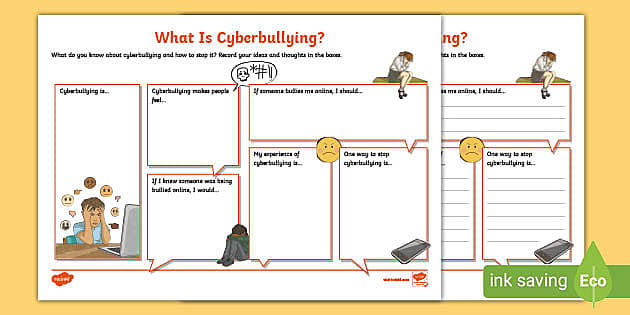
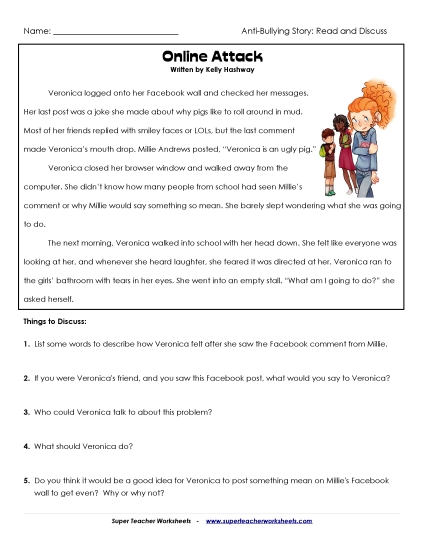
The “cyberbullying worksheet for grade 2″ directly addresses the important topic of cyberbullying, tailoring its content to the developmental stage of seven and eight-year-olds. This resource focuses on defining cyberbullying in simple terms, explaining what it looks like in various online interactions, and clarifying that hurtful words or actions online are unacceptable. Key concepts include recognizing unkind behavior, understanding its impact, and identifying trusted adultssuch as parents, teachers, or guardianswho can provide support. The worksheet introduces the idea of reporting inappropriate content or behavior, emphasizing that children are not alone and help is always available. Content within the worksheet directly aligns with recognized digital citizenship and child safety education standards, promoting empathy, respect, and responsible communication as core online values. It encourages children to think about how their words and actions affect others in digital spaces.
Key Learning Outcomes
By engaging with the “cyberbullying worksheet for grade 2,” children will develop several crucial skills and knowledge areas essential for navigating the online world safely and kindly. Browse more guides on Safe Wired Schools.
- Understanding Cyberbullying: Children will gain a basic comprehension of what cyberbullying entails, distinguishing it from accidental online mishaps.
- Identifying Trusted Adults: Learners will be able to name and understand the role of adults they can approach for help when encountering online distress.
- Practicing Online Kindness: The worksheet fosters an understanding of respectful and empathetic communication, encouraging positive online interactions.
- Recognizing Hurtful Behavior: Students will develop the ability to identify instances of unkind or inappropriate behavior directed at themselves or others online.
- Developing Reporting Awareness: Children will learn the importance of speaking up and reporting incidents of cyberbullying to a trusted adult.
How to Use This Worksheet
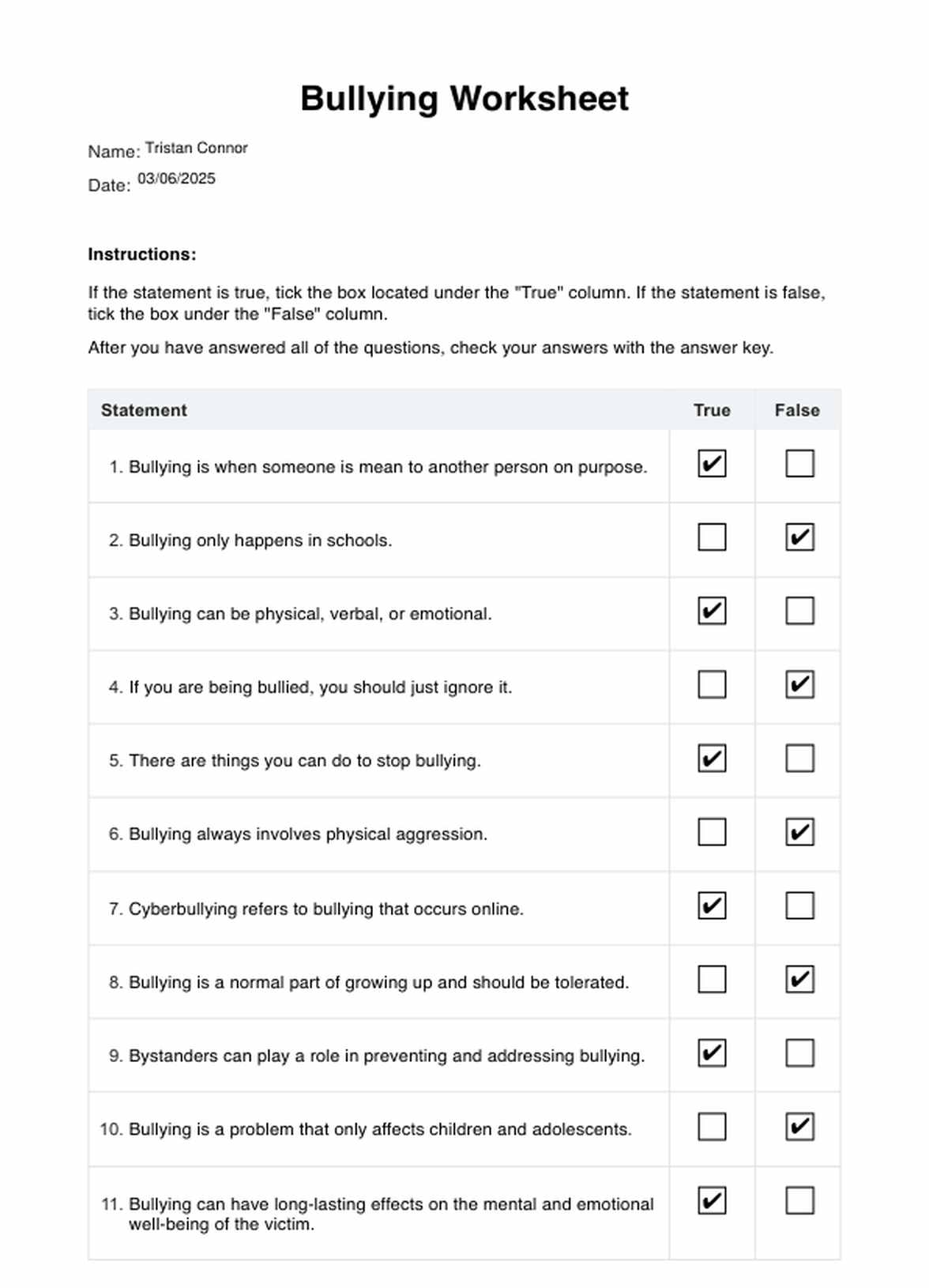
The “cyberbullying worksheet for grade 2” offers versatile application for both classroom instruction and home-based learning. This resource typically features a blend of engaging activities, such as simple true/false questions, matching scenarios with appropriate responses, drawing exercises to illustrate feelings, and short reflection prompts that encourage critical thinking. The difficulty level is carefully calibrated for second graders, with clear, concise instructions that scaffold learning progressively. An educator might integrate the worksheet into a broader digital safety lesson plan, using it as a discussion starter or a consolidation activity after a group presentation. At home, parents can utilize it as a focused learning session, guiding their child through each section and discussing the implications of the scenarios presented. It functions effectively as a standalone activity to introduce the topic, a follow-up assignment to reinforce concepts, or even as homework to involve family discussion. The accessible format ensures that the core message of online safety and kindness resonates with young learners.
Practical Tips for Parents and Teachers
Maximizing the educational impact of the “cyberbullying worksheet for grade 2” involves thoughtful preparation and facilitation. Several practical strategies can enhance the learning experience.
- Review Content First: Before presenting the worksheet, adults should review its content to familiarize themselves with the topics and anticipate potential questions. This preparation ensures confident guidance throughout the activity.
- Read Instructions Aloud: For young learners, reading instructions and questions aloud helps ensure full comprehension, particularly for those still developing reading fluency.
- Encourage Open Discussion: After completing sections or the entire worksheet, facilitate a conversation about the scenarios and choices made. Ask open-ended questions like, “What would you do if this happened to a friend?” or “Why is it important to be kind online?”
- Role-Play Scenarios: Extend learning beyond the paper by acting out simple scenarios from the worksheet. This practical application helps children internalize appropriate responses and build confidence in seeking help.
- Reinforce Positive Behavior: Acknowledge and praise children’s understanding of safe online practices and their commitment to being kind digital citizens. Positive reinforcement encourages continued responsible behavior.
Age-Appropriate Recommendations
While the “cyberbullying worksheet for grade 2” is specifically designed for children in the elementary grades (ages 68), its principles can be adapted for a slightly wider age range with appropriate modifications. For children aged 68, the worksheet serves as an ideal introduction to cyberbullying concepts. At this age, direct, simple language is most effective, and adult involvement in reading questions and guiding discussions is highly recommended. The activity pacing should be flexible, allowing for breaks and thorough explanations of new vocabulary. For younger children (ages 35) who may encounter basic online interactions, the worksheet could be used with significant adult support, focusing primarily on the concepts of kindness and identifying a trusted adult. Questions might be simplified further, and drawing activities could be emphasized. For older elementary students (ages 910) or those needing a refresher, the worksheet can serve as a quick review, prompting deeper discussions about more complex online social dynamics and the nuances of reporting mechanisms. In all instances, the level of parental or teacher involvement remains crucial, tailoring the interaction to the child’s individual comprehension and emotional maturity.
Frequently Asked Questions
Q: How can the “cyberbullying worksheet for grade 2” be accessed?
A: The “cyberbullying worksheet for grade 2” is available for free download directly from SafeWiredSchools.org’s comprehensive resources page. A simple click allows for instant printing and immediate use in educational settings or at home.
Q: Is the “cyberbullying worksheet for grade 2” suitable for home use?
A: Yes, this resource is designed for both classroom and home environments. Parents can effectively use the worksheet to initiate important conversations about online safety with their children.
Q: What primary skills does the “cyberbullying worksheet for grade 2” develop?
A: It helps children identify cyberbullying, understand reporting mechanisms to trusted adults, and practice safe, kind online interactions. The worksheet fosters empathy and critical thinking regarding digital behavior.
Explore More Free Printable Worksheets
A single resource, while valuable, achieves its greatest impact when integrated into a consistent digital safety learning routine. The “cyberbullying worksheet for grade 2” forms just one component of a comprehensive suite of tools designed to equip young people with essential online protection skills. Educators and parents are invited to explore a full collection of free printable internet safety worksheets, activity sheets, checklists, quizzes, and more. These resources, available at SafeWiredSchools.org Worksheets, cover a wide array of internet safety topics and are meticulously designed for every grade level and learning environment. Building a strong foundation in digital citizenship requires ongoing education, and these varied printables provide accessible, engaging pathways to achieve that goal, empowering children to become responsible and confident digital citizens.
Developmental Milestone & Activity Table
| Development Stage | Recommended Daily Duration | Primary Learning Objective |
|---|---|---|
| Preschool & Pre-K | 10 – 15 Minutes | Pencil grip development & basic pre-stroke lines |
| Kindergarten | 15 – 20 Minutes | Letter/number formation & spatial line awareness |
| Early Elementary (Grade 1–2) | 20 – 30 Minutes | Fluency, sentence construction & neatness |
Images References