Introduction
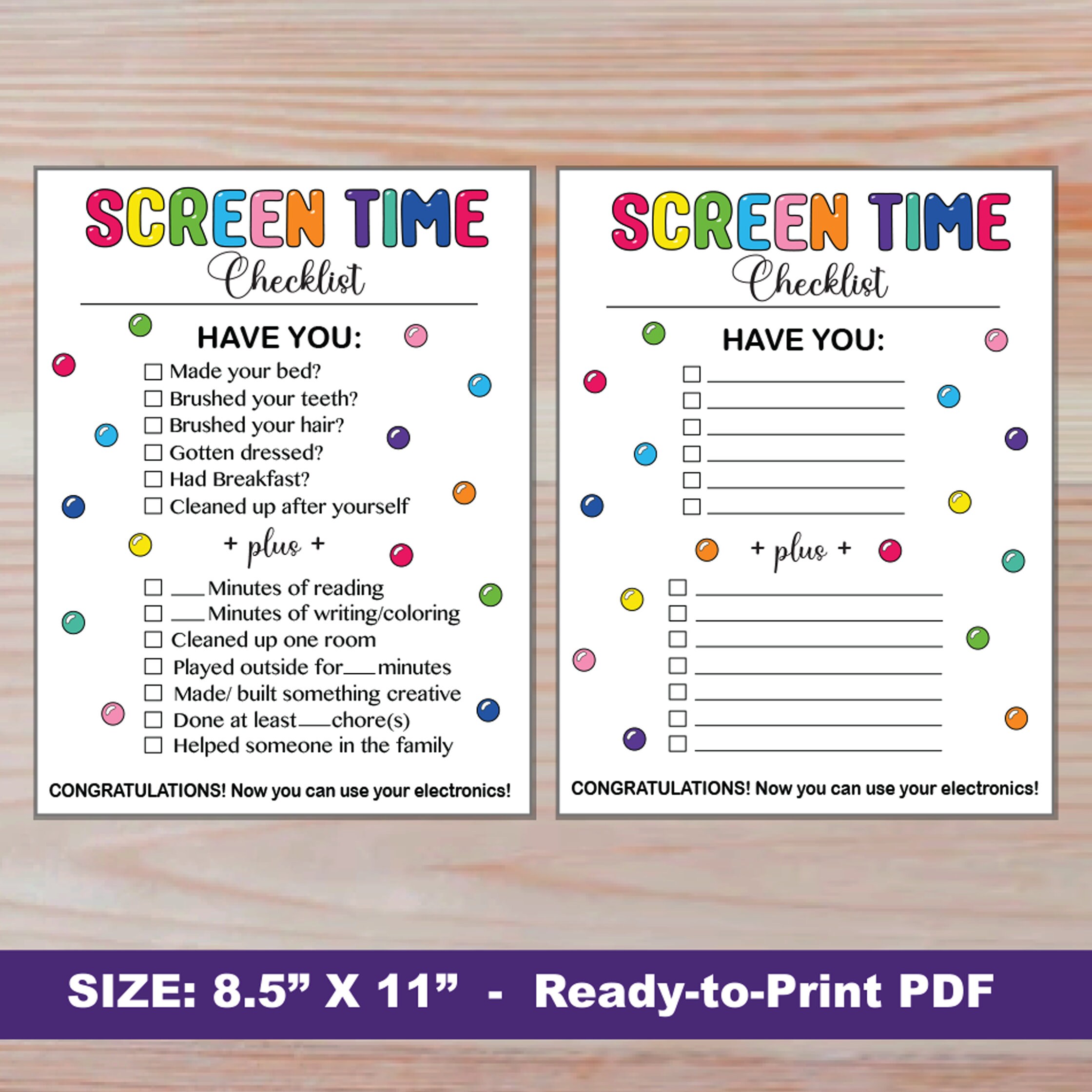
The establishment of responsible digital habits begins in early childhood. For foundational learning, the “screen time checklist for kindergartners” offers an invaluable resource, specifically designed for the Preschool and early Elementary age group (approximately ages 36). This printable worksheet serves as a crucial tool for reinforcing vital internet safety concepts through engaging, hands-on activities. Educators and parents consistently trust printable worksheets for their proven efficacy in building digital awareness and fostering responsible online behavior. These physical resources provide a tangible connection to abstract concepts, allowing young learners to visualize, interact with, and internalize essential safety guidelines in a developmentally appropriate manner. The checklist format helps structure daily routines, making digital responsibility a consistent and understandable part of a child’s world.
💡 Educational Key Takeaways:
- Core Skill: Structured Screen Time Checklist For Kindergartners focused on developing pencil grip, stroke control, and early literacy/math confidence.
- Target Scope: Suited for homeschoolers, preschool, kindergarten, and elementary learners.
- Best Recommendation: Practice 10–15 minutes daily with ergonomic writing tools to reinforce muscle memory without hand fatigue.
What This Worksheet Covers
The “screen time checklist for kindergartners” directly addresses the critical topic of balanced media consumption and healthy digital habits for very young children. It covers fundamental concepts such as setting clear time limits, understanding the importance of asking for permission before using devices, identifying appropriate content, and recognizing the need for regular breaks and engagement in real-world activities. The worksheet emphasizes the balance between screen time and other enriching experiences, like outdoor play, reading, and creative arts. The content thoughtfully connects to recognized early childhood digital citizenship and child safety education standards, which advocate for proactive guidance in navigating the digital landscape from an early age. This resource provides a practical framework for discussing and implementing these essential guidelines in both home and classroom environments.
Key Learning Outcomes
By engaging with the “screen time checklist for kindergartners,” children will develop several crucial skills and knowledge areas:. Browse more guides on Safe Wired Schools.
- Understanding Screen Time Limits: Children learn to recognize and adhere to designated periods for device use, fostering an early sense of self-regulation.
- Identifying Healthy Activities: The checklist encourages distinguishing between screen-based entertainment and alternative enriching activities, promoting a balanced lifestyle.
- Seeking Permission: Children practice the habit of asking an adult before accessing devices or content, establishing a foundational safety protocol.
- Recognizing Break Needs: The resource helps children understand the importance of taking regular breaks from screens for eye health and physical activity.
- Developing Digital Self-Awareness: Learners begin to connect their actions with digital tools to broader concepts of safety and responsibility.
How to Use This Worksheet
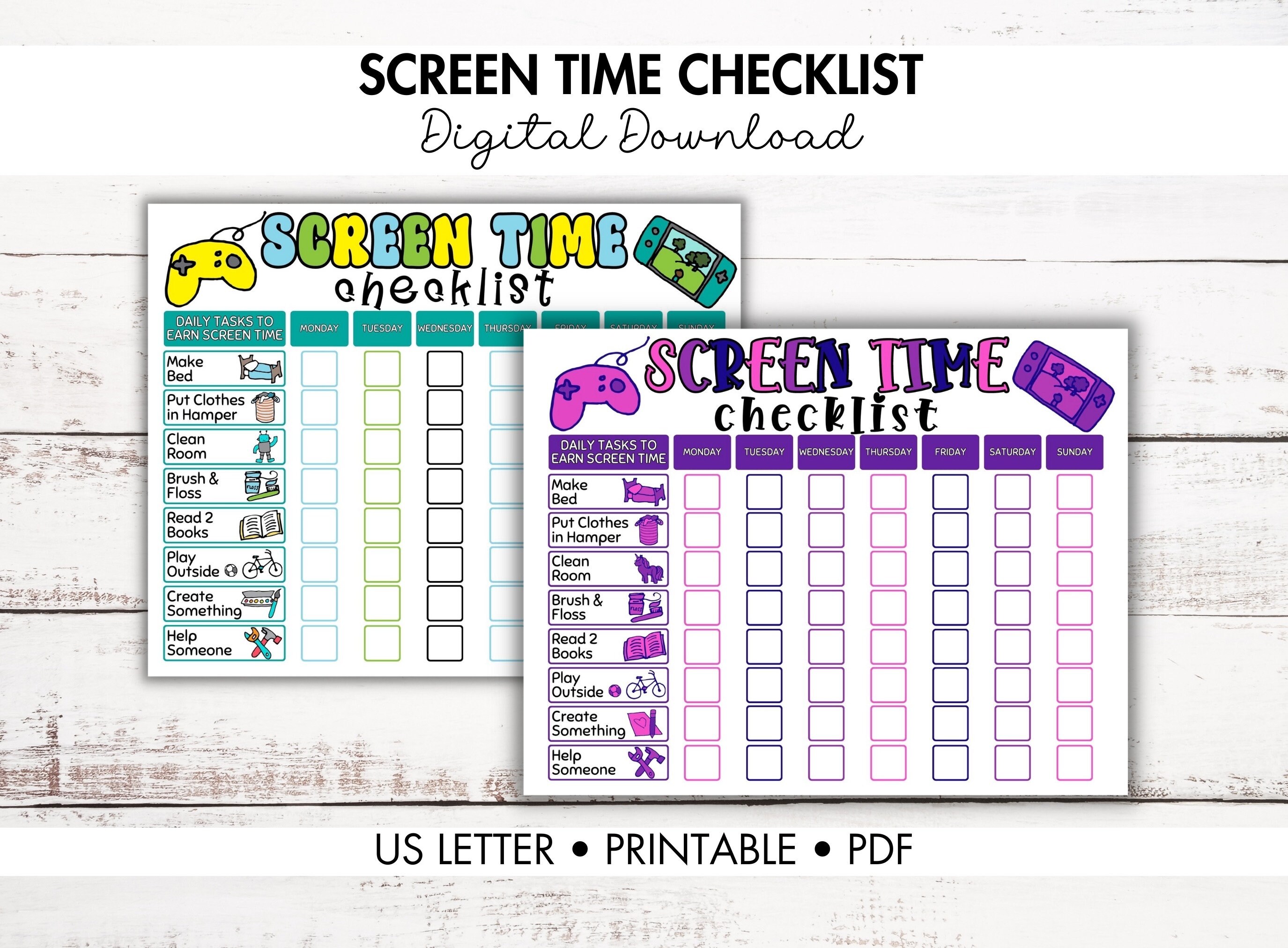
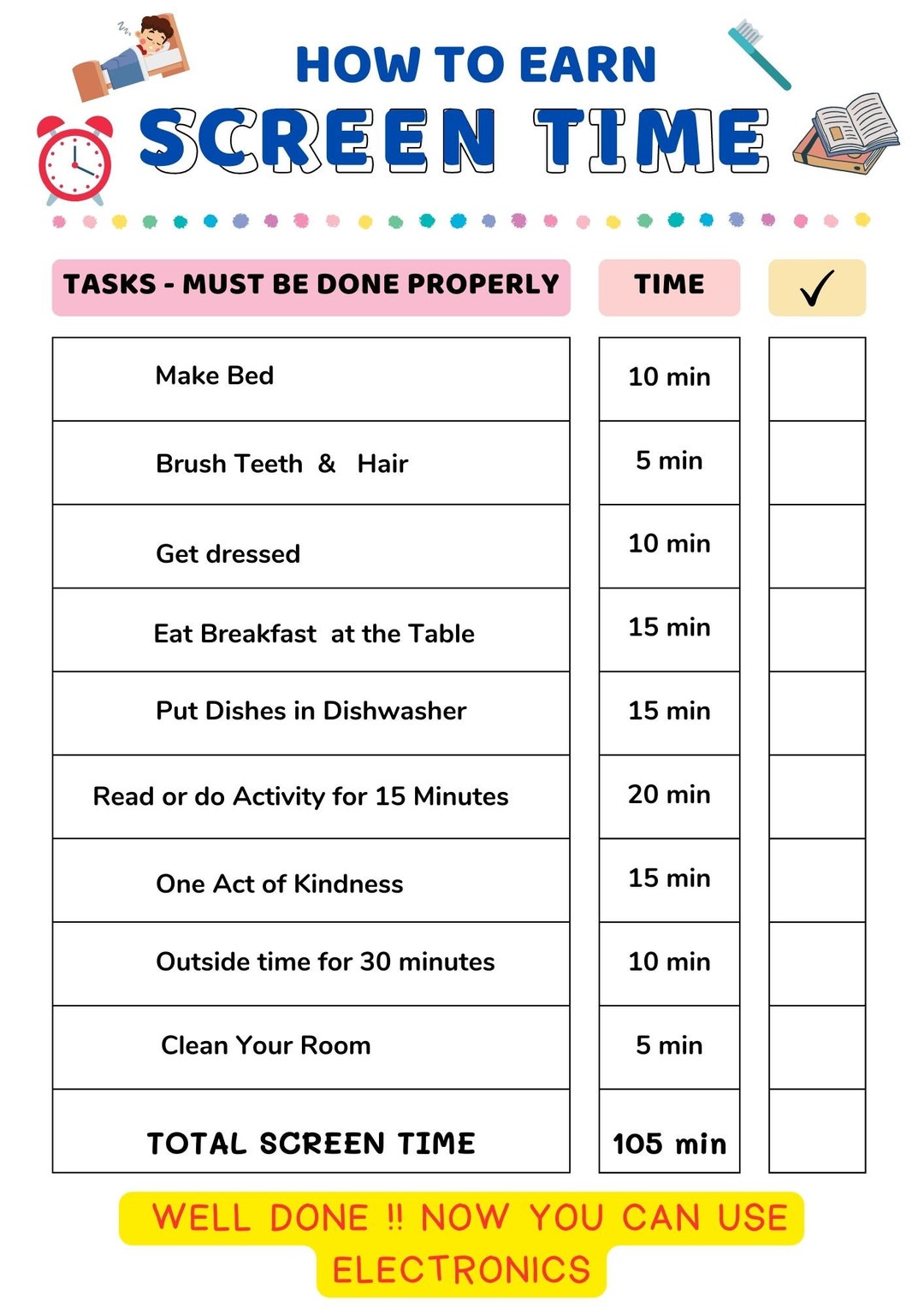
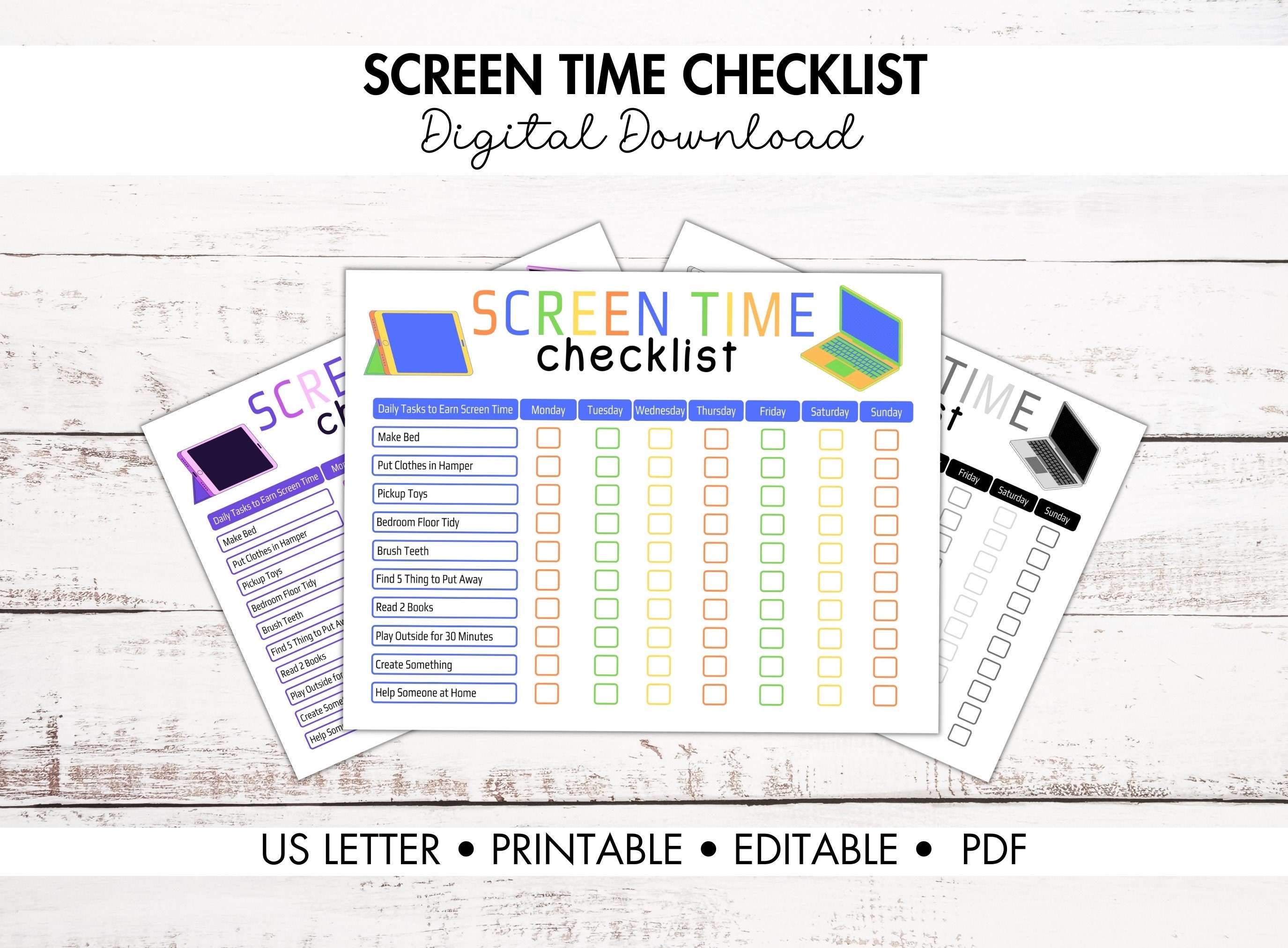
The “screen time checklist for kindergartners” is designed for easy integration into daily routines within educational settings or at home. The worksheet primarily utilizes simple, visual activity types, such as checkboxes, drawing prompts, and basic matching, making it highly accessible for pre-readers and emergent readers. Instructions are presented clearly and concisely, often with accompanying illustrations to scaffold learning progressively. Its difficulty level is perfectly suited for kindergarten-aged children, focusing on concrete actions and observable behaviors. This resource functions effectively as a standalone activity to initiate discussions about screen time, as an integral component of a broader lesson plan on digital citizenship, or as a take-home assignment to involve families in consistent safety practices. Its adaptable format ensures maximum utility across various learning environments.
Practical Tips for Parents and Teachers
Maximizing the educational impact of the “screen time checklist for kindergartners” involves thoughtful implementation and follow-up. First, complete the checklist with the child, guiding them through each item and discussing its meaning in simple terms. Second, prominently display the completed checklist in a visible location, such as on a refrigerator or classroom bulletin board, to serve as a constant visual reminder. Third, consistently refer back to the checklist throughout the day, using it as a positive reinforcement tool for adherence to screen time rules. Fourth, extend learning beyond the worksheet by modeling balanced screen habits and engaging in real-world activities mentioned on the checklist. Finally, encourage open discussions about what makes screen time fun and what makes other activities equally enjoyable, fostering a comprehensive understanding of digital balance.
Age-Appropriate Recommendations
The “screen time checklist for kindergartners” is fundamentally tailored for early learners, but its core principles resonate across several age bands with adapted approaches.
For Ages 36 (Preschool/Kindergarten), direct adult involvement is paramount. An educator or parent should sit with the child, reading each item aloud, explaining concepts using simple, concrete language, and helping them mark off completed tasks. Visual cues are highly effective for this group, and the activity pacing should be unhurried, allowing for questions and immediate understanding. The focus remains on establishing basic routines and understanding “yes” or “no” rules.
For Ages 79 (Early Elementary), the checklist can serve as a reinforcement tool. Children in this band can often complete the checklist with minimal supervision, reading instructions independently or with light assistance. Discussions can delve slightly deeper into why certain rules exist, linking them to safety, health, and personal responsibility. The checklist can be used to track progress or as a self-assessment tool for managing their own screen time, with adult review.
For Ages 1012 (Upper Elementary), the “screen time checklist for kindergartners” can initiate conversations about digital well-being and responsible usage at a more advanced level. While the specific checklist might seem simple, it provides a foundational review. Discussions can explore the long-term benefits of balanced screen time, the impact of excessive use, and the concept of digital citizenship. This age group benefits from adapting the checklist into a discussion guide, prompting them to create their own more detailed screen time management plans based on these core principles.
Frequently Asked Questions
Q: What is the primary purpose of the “screen time checklist for kindergartners”? A: The primary purpose is to establish a clear, visual guide for young children and their caregivers to promote healthy and balanced screen time habits from an early age, focusing on safety and well-being.
Q: How can this resource be integrated into daily routines effectively? A: This checklist integrates effectively by being reviewed at the start of screen time, used as a visual reminder throughout the day, and referenced during discussions about digital choices. Consistent application reinforces the learned behaviors.
Q: Where can this free printable be accessed and downloaded? A: The “screen time checklist for kindergartners” is available for free download on the SafeWiredSchools.org website. Navigate to the Worksheets section to find this and many other valuable digital safety resources.
Explore More Free Printable Worksheets
A single worksheet provides an excellent starting point, but the most profound impact on digital safety education comes from a consistent, comprehensive learning routine. The “screen time checklist for kindergartners” is part of a larger, carefully curated collection of free printable resources. Educators and parents are encouraged to explore the full array of internet safety worksheets, activity sheets, checklists, quizzes, and more at SafeWiredSchools.org Worksheets. This extensive collection covers every essential internet safety topic, meticulously designed for every grade level and diverse learning environments, ensuring a continuous journey toward digital literacy and responsibility.
Developmental Milestone & Activity Table
| Development Stage | Recommended Daily Duration | Primary Learning Objective |
|---|---|---|
| Preschool & Pre-K | 10 – 15 Minutes | Pencil grip development & basic pre-stroke lines |
| Kindergarten | 15 – 20 Minutes | Letter/number formation & spatial line awareness |
| Early Elementary (Grade 1–2) | 20 – 30 Minutes | Fluency, sentence construction & neatness |
Images References