Introduction
Establishing healthy digital habits is a cornerstone of comprehensive internet safety education. The “screen time rules for children printable” resource offers a foundational tool for reinforcing these crucial concepts. This educational worksheet is primarily designed for Elementary grades 15 and Middle School grades 68, providing an adaptable framework for discussing and setting boundaries around digital device use. Printable resources are widely recognized and trusted by educators and parents as effective teaching aids. They offer a tangible, hands-on approach to learning, allowing children to actively engage with important topics. By physically interacting with the material, learners can solidify their understanding of responsible online behavior and develop essential digital awareness in a structured, accessible format.
💡 Educational Key Takeaways:
- Core Skill: Structured Screen Time Rules For Children Printable focused on developing pencil grip, stroke control, and early literacy/math confidence.
- Target Scope: Suited for homeschoolers, preschool, kindergarten, and elementary learners.
- Best Recommendation: Practice 10–15 minutes daily with ergonomic writing tools to reinforce muscle memory without hand fatigue.
What This Worksheet Covers
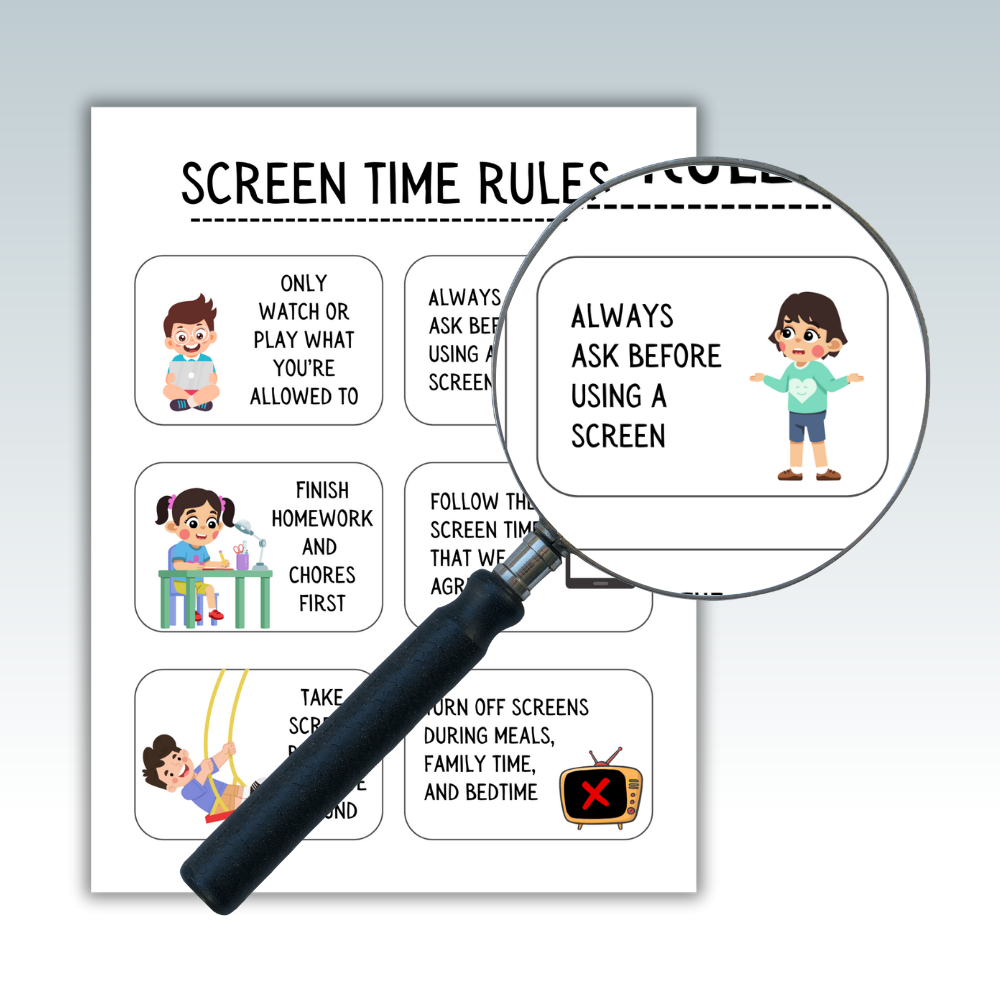
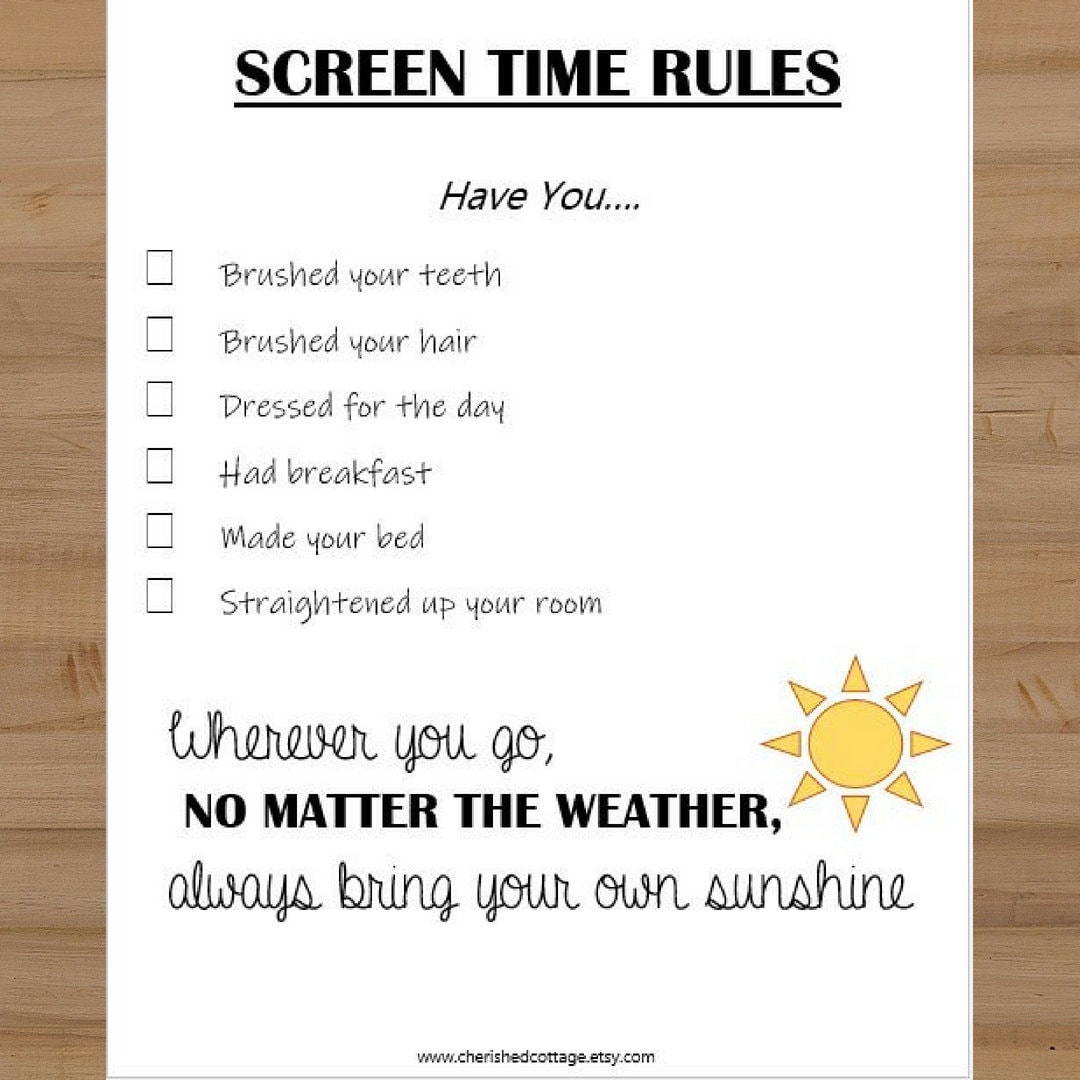
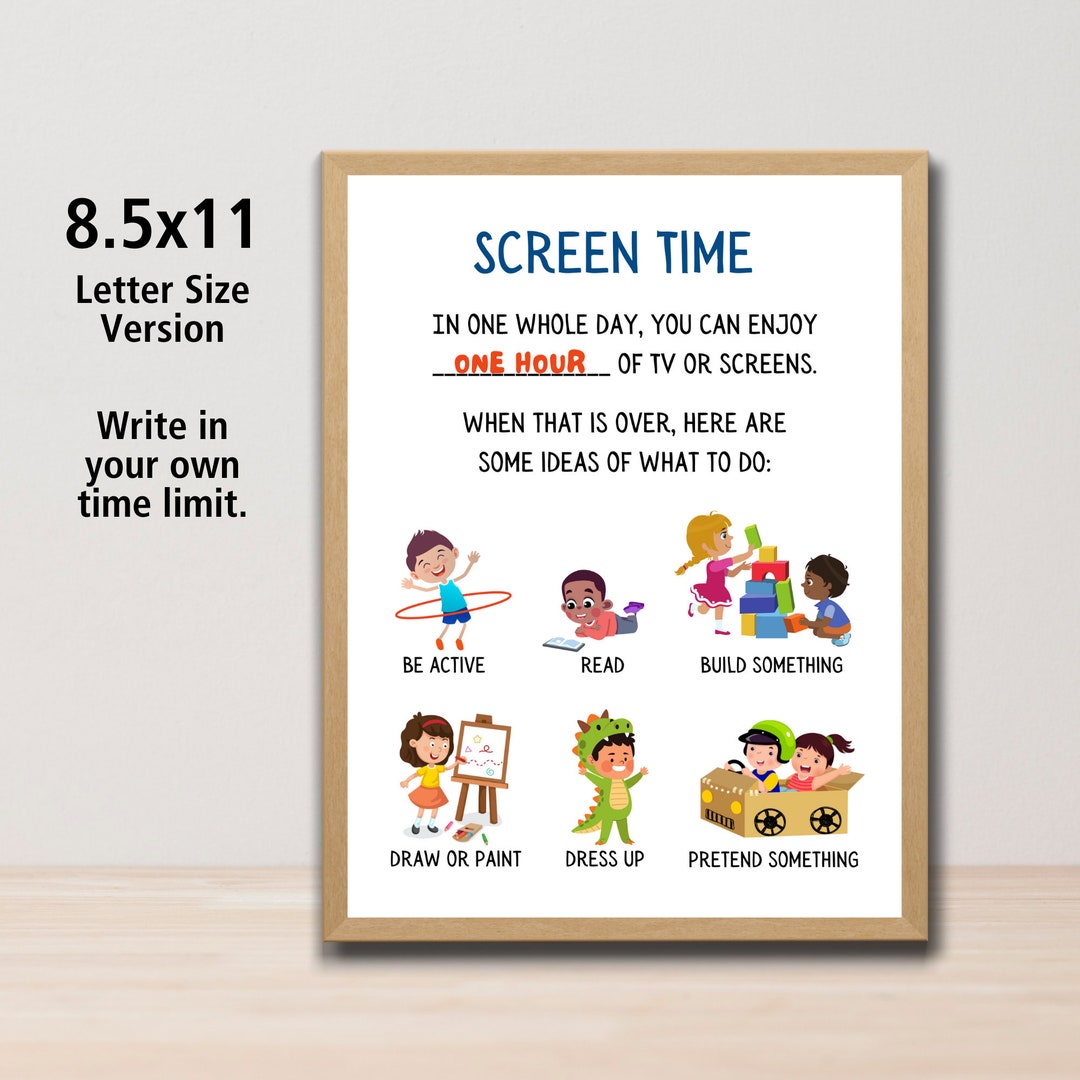
The “screen time rules for children printable” specifically addresses the critical internet safety topic of responsible digital device management. It helps families and classrooms establish clear expectations for how and when screens are used. Concepts covered include understanding appropriate time limits, identifying suitable content, balancing screen time with essential offline activities, and the importance of family or classroom-agreed rules. The worksheet guides children through scenarios that encourage critical thinking about their own digital consumption. This content directly aligns with recognized digital citizenship and child safety education standards, which emphasize media literacy, self-regulation in technology use, and the development of healthy digital well-being practices from an early age. The resource supports the cultivation of thoughtful, intentional engagement with technology rather than passive consumption.
Key Learning Outcomes
By engaging with the “screen time rules for children printable,” children develop several vital skills and areas of knowledge:. Browse more guides on Safe Wired Schools.
- Understanding the importance of balanced screen time for overall health and development.
- Ability to identify and articulate personal or family screen time rules and expectations.
- Developing self-regulation skills regarding the use of digital devices.
- Recognizing the value and benefits of engaging in offline activities, hobbies, and social interactions.
- Cultivating open communication about digital habits within the family or classroom setting.
How to Use This Worksheet
Educators and parents can effectively integrate the “screen time rules for children printable” into various learning environments. The worksheet typically features a mix of activity types, such as fill-in-the-blank sections for rule customization, reflective prompts for personal application, and drawing spaces for creative expression of ideal routines. Its difficulty level is designed to be accessible, with instructions that progressively scaffold learning. Younger learners might focus on identifying simple rules and drawing their favorite offline activities, while older children can delve into more nuanced discussions about consequences and personal responsibility. This resource functions excellently as a standalone activity to initiate discussions, as an integral part of a broader digital citizenship lesson plan, or as a thoughtful homework assignment that encourages family collaboration on technology boundaries.
Practical Tips for Parents and Teachers
- Review and Prepare: Before presenting the worksheet, review its content thoroughly. This allows for tailoring the discussion to specific family dynamics or classroom needs and preparing any necessary vocabulary support for younger learners.
- Facilitate Open Dialogue: Encourage an interactive experience. Use the worksheet as a springboard for open conversations about why screen time rules are important, how they keep individuals safe, and how they promote a balanced lifestyle.
- Customize and Personalize: Emphasize that rules can be adapted. Encourage children to contribute to the rule-making process, fostering a sense of ownership and increasing adherence. For older children, this can involve discussing the rationale behind different limits.
- Extend the Learning: After completing the worksheet, consider creating a family screen time contract or a classroom digital use agreement based on the established rules. Display it prominently as a constant reminder.
- Model Desired Behavior: Adults can reinforce the concepts by demonstrating responsible screen time habits themselves. Children learn significantly through observation and emulation.
Age-Appropriate Recommendations
The “screen time rules for children printable” is versatile, with approaches varying by age group:
For Ages 58 (Early Elementary), focus on the most basic rules, such as “no screens during meals” or “one hour of play for every hour of screen time.” The activity should be highly guided by a parent or teacher, with an emphasis on drawing and simple matching activities. Vocabulary should be kept straightforward, and pacing should be slow to ensure comprehension. The goal is to introduce the concept of boundaries and the importance of offline play.
For Ages 912 (Upper Elementary/Middle School), the worksheet can be used to explore more detailed rule-setting, including types of content, specific time limits for different activities (e.g., homework vs. gaming), and the impact of excessive screen time on sleep or schoolwork. Children at this age can engage in discussions about the reasons behind rules and the consequences of not adhering to them. This group benefits from some independence in filling out the worksheet, followed by a collaborative discussion to finalize agreements.
For Ages 1318 (Middle/High School), the resource serves as an excellent starting point for discussions on digital well-being, self-management of screen time, and the potential for digital distraction. Older learners can critically evaluate their own media consumption, discuss the impact of social media, and consider how screen time affects their mental health and academic performance. The worksheet can prompt them to create personal digital wellness plans, emphasizing self-advocacy and independent decision-making regarding technology use.
Frequently Asked Questions
Q: What is the “screen time rules for children printable”?
A: It is a free, downloadable educational worksheet designed to help children, parents, and teachers establish and understand healthy boundaries and responsible practices for digital device usage. It covers topics like time limits, content appropriateness, and balancing digital with offline activities.
Q: How can this printable help children develop better digital habits?
A: The printable encourages active participation in setting screen time rules, fostering a sense of ownership and understanding. It prompts critical thinking about digital consumption, promotes open communication about technology use, and reinforces the value of balanced daily routines.
Q: Where can the “screen time rules for children printable” be downloaded?
A: This valuable resource, along with many other internet safety materials, is available for free download directly from the SafeWiredSchools.org website. Simply navigate to the resources section to access and print it.
Explore More Free Printable Worksheets
A single resource, while valuable, works best as part of a comprehensive and consistent approach to digital safety education. The “screen time rules for children printable” is one of many tools designed to support ongoing learning. Educators and parents are encouraged to explore a full collection of free printable internet safety worksheets, activity sheets, checklists, quizzes, and more at SafeWiredSchools.org Worksheets. These resources cover every essential internet safety topic and are carefully designed for every grade level and learning environment, ensuring continuous reinforcement of safe and responsible online practices.
Developmental Milestone & Activity Table
| Development Stage | Recommended Daily Duration | Primary Learning Objective |
|---|---|---|
| Preschool & Pre-K | 10 – 15 Minutes | Pencil grip development & basic pre-stroke lines |
| Kindergarten | 15 – 20 Minutes | Letter/number formation & spatial line awareness |
| Early Elementary (Grade 1–2) | 20 – 30 Minutes | Fluency, sentence construction & neatness |
Images References