Introduction
The “free printable screen time schedule for kids” resource is designed primarily for Elementary grades 15, with adaptable applications for Middle School grades 68. This valuable tool reinforces critical internet safety concepts through a hands-on, tangible learning experience. In an increasingly digital world, teaching children to balance online and offline activities is paramount for their well-being and digital citizenship. Printable worksheets, such as this screen time schedule, are trusted pedagogical instruments universally embraced by educators and parents. They offer a concrete method for engaging young learners, translating abstract digital safety principles into practical, manageable tasks. The act of physically interacting with a schedule fosters a deeper understanding of time management and responsible online behavior, building a foundational awareness that supports safer digital practices from an early age. These resources provide a structured approach to cultivating healthy habits, demonstrating a commitment to proactive digital education.
💡 Educational Key Takeaways:
- Core Skill: Structured Free Printable Screen Time Schedule For Kids focused on developing pencil grip, stroke control, and early literacy/math confidence.
- Target Scope: Suited for homeschoolers, preschool, kindergarten, and elementary learners.
- Best Recommendation: Practice 10–15 minutes daily with ergonomic writing tools to reinforce muscle memory without hand fatigue.
What This Worksheet Covers
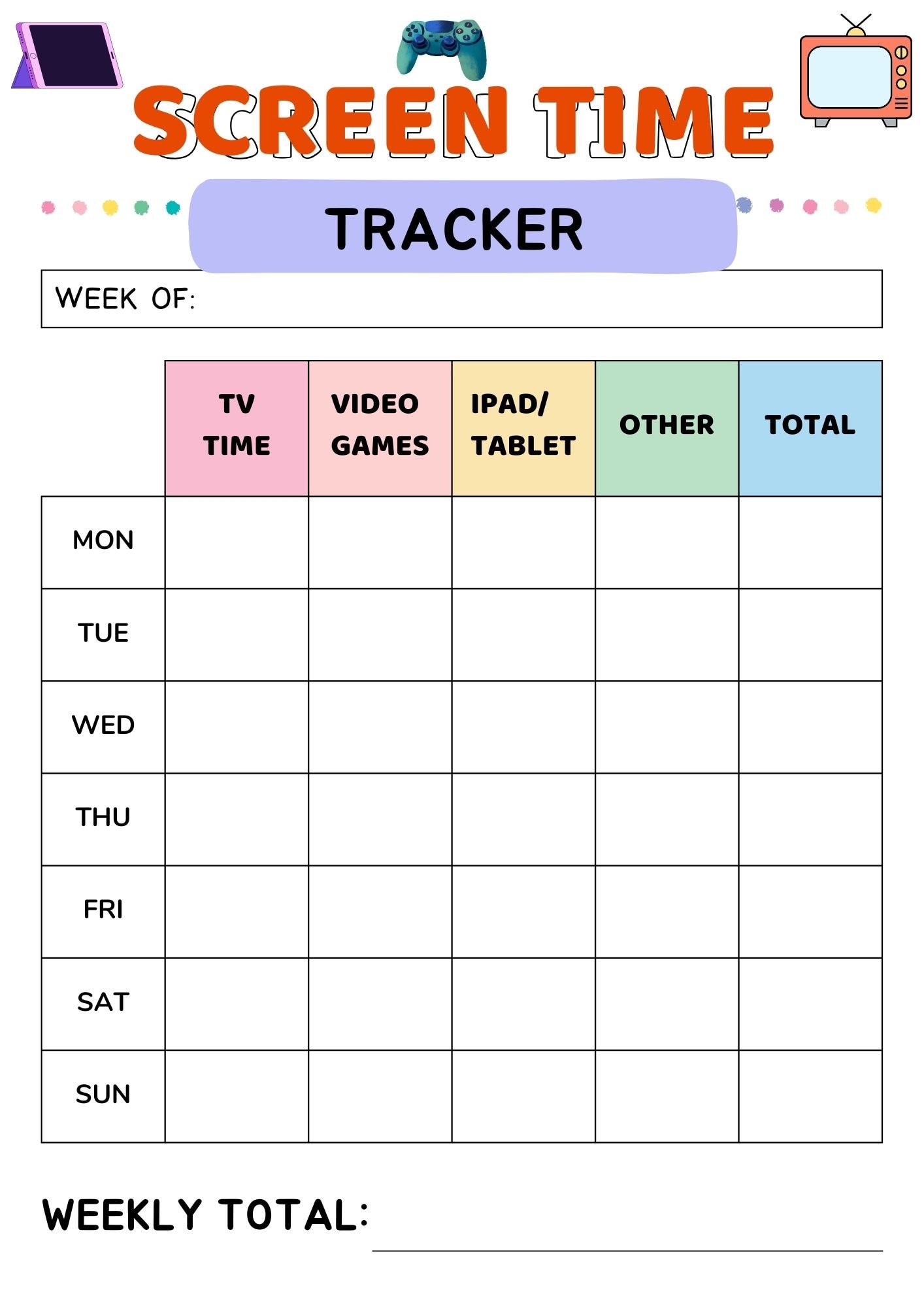
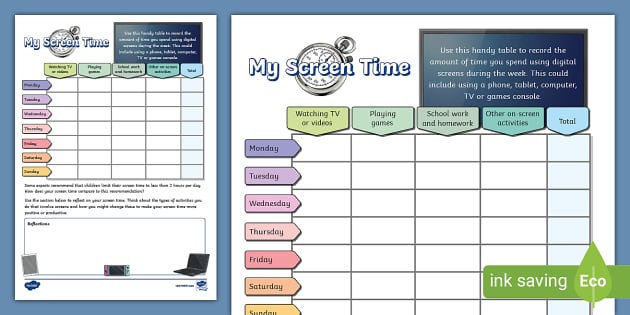
This worksheet addresses the vital internet safety topic of healthy screen time management. It covers concepts central to balancing digital engagement with real-world activities, establishing clear boundaries, and fostering digital wellness. The resource encourages children to understand their current screen usage patterns and to actively participate in creating a balanced daily or weekly routine. It introduces the idea of designated screen time blocks, alongside dedicated periods for learning, play, physical activity, and family interaction. The content aligns with recognized digital citizenship standards by promoting self-regulation, media literacy, and the development of responsible online habits. The schedule provides a visual framework for children and families to collaboratively define appropriate screen time limits and integrate them into their daily lives, thereby preventing excessive use and encouraging a diverse range of activities.
Key Learning Outcomes
Children and students completing the “free printable screen time schedule for kids” will develop several crucial skills and areas of knowledge:. Browse more guides on Safe Wired Schools.
- Ability to Identify and Track Screen Time Usage: Learners will gain an understanding of how much time is spent on digital devices, fostering self-awareness regarding their media consumption.
- Understanding the Importance of Balancing Screen Time: The resource helps children recognize the value of complementing digital activities with physical play, learning, and social interactions.
- Development of Self-Regulation Skills Regarding Digital Device Use: By participating in schedule creation and adherence, children begin to practice discipline and responsible decision-making concerning their screen time.
- Participation in Creating and Adhering to a Personal or Family Screen Time Plan: The worksheet encourages collaborative family discussions and empowers children to take ownership of their digital habits.
How to Use This Worksheet
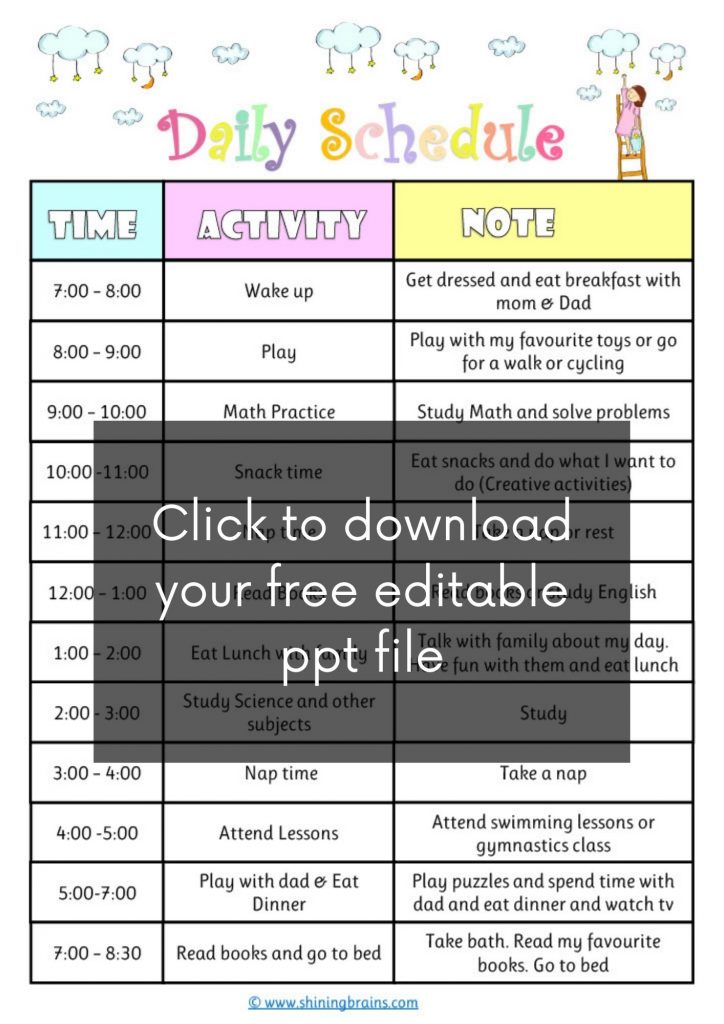
The “free printable screen time schedule for kids” offers a versatile tool for educators in the classroom and parents at home. The worksheet format typically involves sections for planning daily or weekly activities, including designated slots for schoolwork, outdoor play, reading, chores, and screen time. Its difficulty level is accessible, making it suitable for elementary-aged children with adult guidance. Instructions are clear and often involve fill-in-the-blank sections, drawing activities, or simple check-boxes, scaffolding learning progressively. This resource can function as a standalone activity to initiate conversations about digital balance, integrate seamlessly into a broader digital citizenship lesson plan, or serve as a practical homework assignment to involve families in establishing healthy routines. The visual nature of a schedule helps children grasp time concepts and the allocation of different activities throughout their day.
Practical Tips for Parents and Teachers
Maximizing the educational impact of the “free printable screen time schedule for kids” requires thoughtful preparation and engagement:
- Prepare the Environment: Before introducing the schedule, discuss the concept of balance and why managing screen time is beneficial. Ensure a calm setting conducive to open conversation.
- Facilitate Collaborative Creation: Instead of simply handing out the schedule, work alongside the child or students to fill it out. Encourage their input on activity choices and time allocations, fostering a sense of ownership.
- Discuss Outcomes Regularly: After the schedule has been implemented for a period, initiate discussions about its effectiveness. Ask what worked well, what was challenging, and how adjustments could be made, reinforcing critical thinking.
- Extend Learning Beyond the Worksheet: Connect the schedule to real-life situations. For instance, relate screen time limits to getting enough sleep, completing homework, or engaging in family outings, illustrating the broader impact of balanced living.
Age-Appropriate Recommendations
The approach to utilizing the “free printable screen time schedule for kids” should be tailored to the developmental stage of the child. For Ages 58 (Early Elementary), the focus should be on simple, highly visual schedules. Use pictures or drawings alongside words, and provide substantial adult guidance for filling it out. Keep screen time blocks short and clearly defined, emphasizing the positive alternatives like outdoor play or reading. For Ages 912 (Late Elementary/Early Middle School), encourage more self-directed planning. Children in this age group can begin to understand the consequences of unbalanced screen time and participate more actively in negotiating their schedule. Vocabulary can be more complex, and discussions can delve into topics like digital citizenship and the impact of screens on sleep or schoolwork. For Ages 1318 (Middle/High School), the schedule becomes a tool for collaborative goal-setting and negotiation. The approach shifts from prescriptive to partnership, focusing on understanding the broader implications of screen use on academic performance, mental health, and social connections. The schedule can facilitate conversations about digital well-being and personal responsibility, with the student taking primary ownership of their time management.
Frequently Asked Questions
Q: What age group is this schedule most suitable for? A: The “free printable screen time schedule for kids” is primarily designed for elementary-aged children (grades 1-5), but its principles can be adapted for both younger children with more adult guidance and older students through collaborative planning. It serves as a foundational tool for teaching digital balance.Q: How does managing screen time relate to overall internet safety? A: Effective screen time management is a cornerstone of internet safety. It reduces exposure to potential online risks by limiting unsupervised digital engagement and promotes a healthy balance, which is crucial for a child’s overall well-being and responsible digital citizenship.Q: Where can the “free printable screen time schedule for kids” be downloaded? A: This valuable educational resource can be accessed and downloaded for free directly from the SafeWiredSchools.org website. Navigate to the resources section to find this and other helpful printables to support digital safety education.
Explore More Free Printable Worksheets
A single worksheet, while valuable, achieves its greatest impact when integrated into a consistent digital safety learning routine. The “free printable screen time schedule for kids” is an excellent starting point, but comprehensive digital literacy requires ongoing engagement with various resources. Educators and parents are invited to explore the full collection of free printable internet safety worksheets, activity sheets, checklists, quizzes, and more available at SafeWiredSchools.org Worksheets. This extensive library covers every essential internet safety topic, including cyberbullying prevention, privacy awareness, digital footprint management, and responsible online communication. Resources are thoughtfully designed for every grade level and learning environment, ensuring that relevant and engaging materials are always at hand to foster a safer and more informed digital generation.
Developmental Milestone & Activity Table
| Development Stage | Recommended Daily Duration | Primary Learning Objective |
|---|---|---|
| Preschool & Pre-K | 10 – 15 Minutes | Pencil grip development & basic pre-stroke lines |
| Kindergarten | 15 – 20 Minutes | Letter/number formation & spatial line awareness |
| Early Elementary (Grade 1–2) | 20 – 30 Minutes | Fluency, sentence construction & neatness |
Images References