Introduction
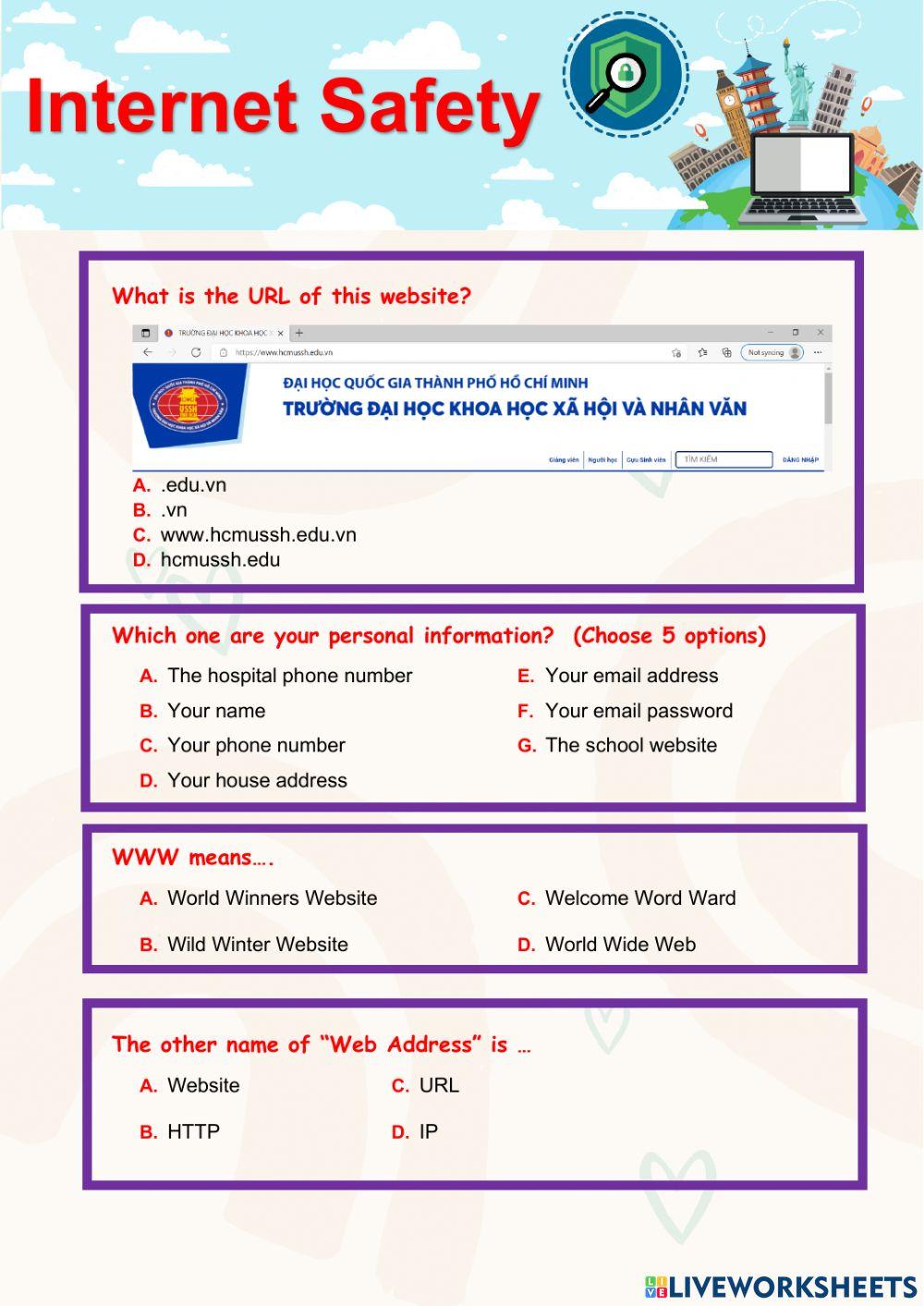
An essential resource for elementary grades 15, the “screen time worksheet for grade 2″ offers a foundational approach to digital well-being. This printable educational tool reinforces critical internet safety concepts through engaging, hands-on learning. The inherent value of printable worksheets is widely recognized by educators and parents alike, serving as trusted instruments for cultivating digital awareness and fostering responsible online behavior. A tangible worksheet provides a unique learning experience, allowing young students to interact directly with material without additional screen exposure. This method effectively supports the development of crucial digital literacy skills from an early age, establishing a solid understanding of healthy online habits. Educational materials that can be held and marked upon often lead to deeper engagement and retention, making such resources indispensable in modern learning environments. The deliberate design of these worksheets ensures that vital safety messages are delivered in an accessible and memorable format, preparing children for a lifetime of safe digital interaction. Each activity builds upon core principles of responsible technology use, promoting thoughtful decision-making in a digital world.
💡 Educational Key Takeaways:
- Core Skill: Structured Screen Time Worksheet For Grade 2 focused on developing pencil grip, stroke control, and early literacy/math confidence.
- Target Scope: Suited for homeschoolers, preschool, kindergarten, and elementary learners.
- Best Recommendation: Practice 10–15 minutes daily with ergonomic writing tools to reinforce muscle memory without hand fatigue.
What This Worksheet Covers
The “screen time worksheet for grade 2″ specifically addresses the vital topic of balanced screen time management. This resource guides young learners through concepts related to identifying healthy versus unhealthy screen use, establishing appropriate limits, and understanding the broader implications of digital well-being. The worksheet clarifies how different types of screen activities contribute to or detract from a childs overall development. It introduces scenarios that prompt critical thinking about when and how screens should be used, aligning with recognized digital citizenship and child safety education standards. For instance, activities differentiate between educational screen time and purely recreational screen time, encouraging a balanced perspective. The content also touches upon the importance of offline activities, promoting a holistic view of a child’s daily routine. Simple, direct language ensures that complex ideas surrounding digital habits are made comprehensible for second graders. This foundational understanding is crucial for navigating an increasingly digital world safely and effectively, empowering children to make informed choices about their screen use.
Key Learning Outcomes
By completing the “screen time worksheet for grade 2,” students will develop several crucial skills and knowledge areas:. Browse more guides on Safe Wired Schools.
- Students will be able to identify examples of healthy and unhealthy screen time activities.
- Children will understand the importance of balancing screen time with offline activities such as reading, playing outdoors, and social interaction.
- Learners will begin to articulate personal strategies for managing their own screen time effectively.
- Students will differentiate between various types of screen content, recognizing educational versus entertainment uses.
- Young individuals will develop an early awareness of digital well-being and its connection to overall health.
How to Use This Worksheet
Educators and parents can effectively integrate the “screen time worksheet for grade 2” into various learning settings. The worksheet features a variety of activity types tailored for second graders, including simple drawing prompts, matching exercises, true or false statements related to screen habits, and basic reflection questions. Its difficulty level is perfectly suited for children aged seven to eight, offering clear, concise instructions that scaffold learning progressively. For example, a section might ask students to draw their favorite activity that does not involve a screen, reinforcing the value of offline engagement. The worksheet can serve as a standalone activity to introduce or reinforce screen time concepts during a digital citizenship lesson. Alternatively, it works well as part of a broader unit on media literacy or as a take-home assignment to foster discussion between children and their families. Its adaptable format allows for use in whole-class instruction, small group work, or independent learning stations, providing flexibility for diverse educational needs. Completion of the worksheet initiates meaningful conversations about daily digital habits.
Practical Tips for Parents and Teachers
- Before beginning the worksheet, introduce the concept of “screen time” and discuss its various forms in simple, relatable terms.
- Facilitate the activity by reading instructions aloud for younger learners or those needing extra support, ensuring complete understanding of each task.
- After completion, initiate a discussion using the worksheet as a prompt; ask open-ended questions like, “What new thing did you learn about screen time today?” or “What is one change you might make to your screen habits?”
- Extend the learning by encouraging students to track their own screen time for a day or two, reflecting on their findings with adult guidance.
- Consider creating a “family media plan” or a “classroom tech agreement” based on the principles discussed in the worksheet, making the learning immediately actionable.
Age-Appropriate Recommendations
The “screen time worksheet for grade 2” is optimally designed for children in the elementary age band, specifically those in second grade (typically ages 7-8). At this developmental stage, children are beginning to grasp abstract concepts but still benefit greatly from concrete examples and visual aids. For this age group, the approach should involve clear, direct explanations of terms like “balance” and “healthy habits.” Vocabulary support should be readily available, with adults clarifying any unfamiliar words. Activity pacing should be moderate, allowing ample time for reflection and drawing, without rushing through the tasks. A higher level of parental or teacher involvement is recommended, particularly for guiding discussions and assisting with written responses. While primarily for Grade 2, the worksheet can be adapted for slightly younger children (Grade 1, ages 6-7) with more adult assistance, focusing on the drawing and identification aspects. For slightly older children (Grade 3, ages 8-9), the worksheet can serve as a quick review or a springboard for more in-depth discussions about digital citizenship and personal responsibility, encouraging them to elaborate more on their written responses and justifications.
Frequently Asked Questions
Q: What specific internet safety topic does the “screen time worksheet for grade 2” address? A: This worksheet primarily focuses on balanced screen time management, helping second graders understand healthy digital habits, set appropriate limits, and recognize the importance of offline activities for overall well-being.
Q: Is this educational resource truly free to access and print? A: Yes, the “screen time worksheet for grade 2” is a completely free printable resource available for download from SafeWiredSchools.org, designed to support digital safety education for all.
Q: How can this worksheet be integrated into a school curriculum or home learning routine? A: The worksheet serves as an excellent standalone activity for digital citizenship lessons, a supplementary resource for media literacy units, or a conversation starter for families discussing healthy technology use at home.
Explore More Free Printable Worksheets
A single worksheet works best as part of a broader collection of printable resources, reinforcing the value of a consistent digital safety learning routine. Educators and parents are invited to explore a full collection of free printable internet safety worksheets, activity sheets, checklists, quizzes, and more at SafeWiredSchools.org Worksheets. These resources cover every essential internet safety topic and are meticulously designed for every grade level and learning environment, ensuring comprehensive digital education for all young learners. Expanding upon foundational concepts through varied materials strengthens understanding and promotes lasting safe online practices.
Developmental Milestone & Activity Table
| Development Stage | Recommended Daily Duration | Primary Learning Objective |
|---|---|---|
| Preschool & Pre-K | 10 – 15 Minutes | Pencil grip development & basic pre-stroke lines |
| Kindergarten | 15 – 20 Minutes | Letter/number formation & spatial line awareness |
| Early Elementary (Grade 1–2) | 20 – 30 Minutes | Fluency, sentence construction & neatness |
Images References