Introduction
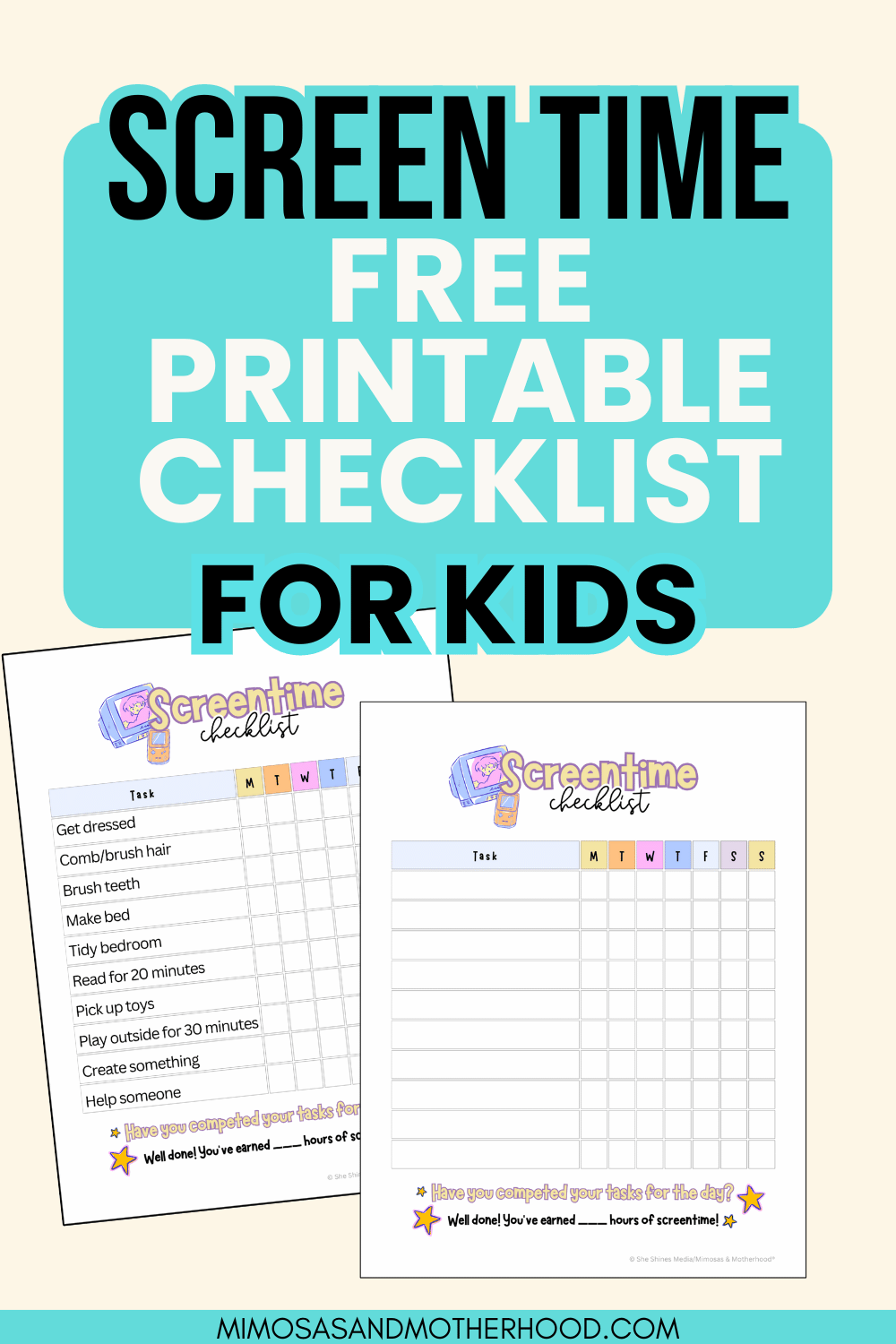
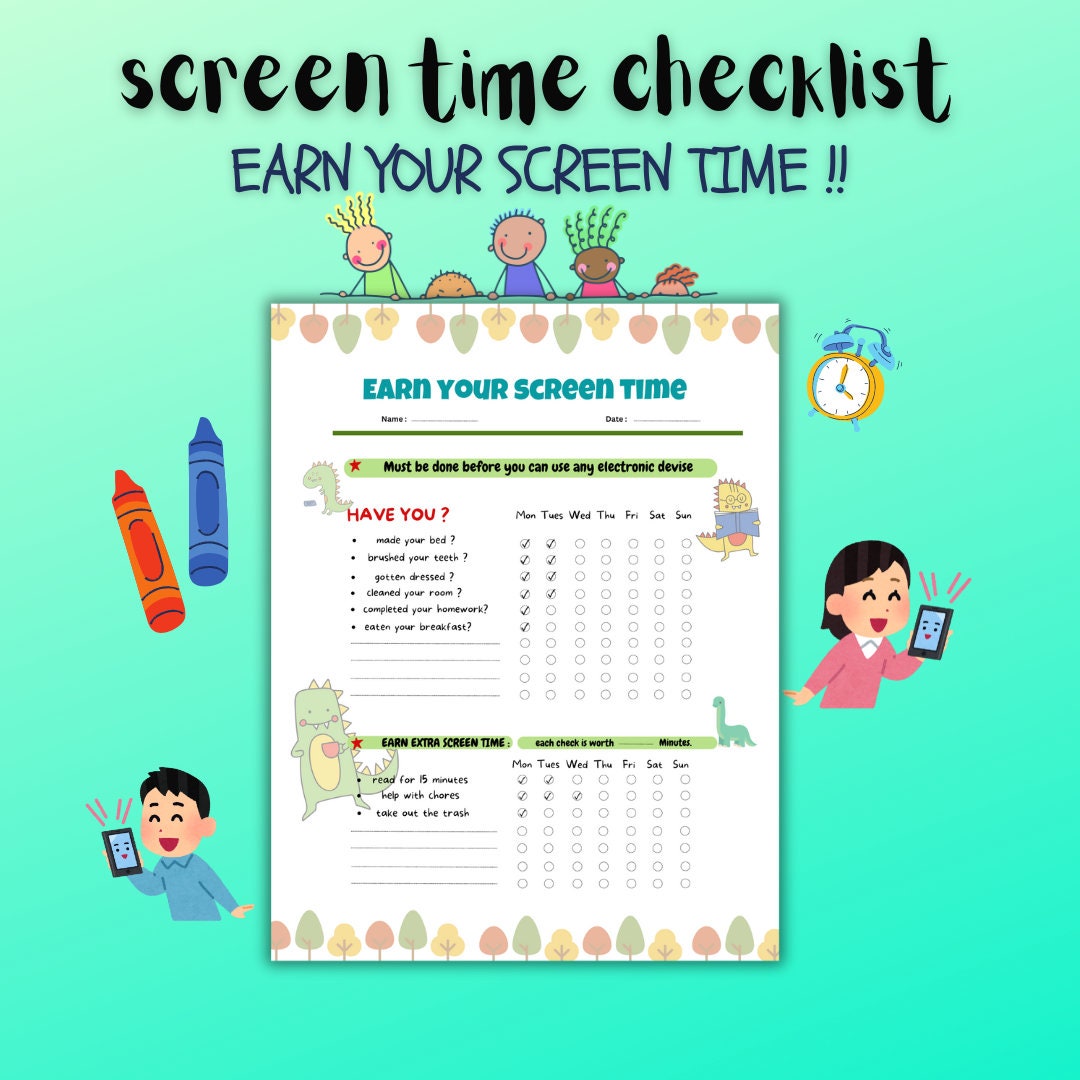
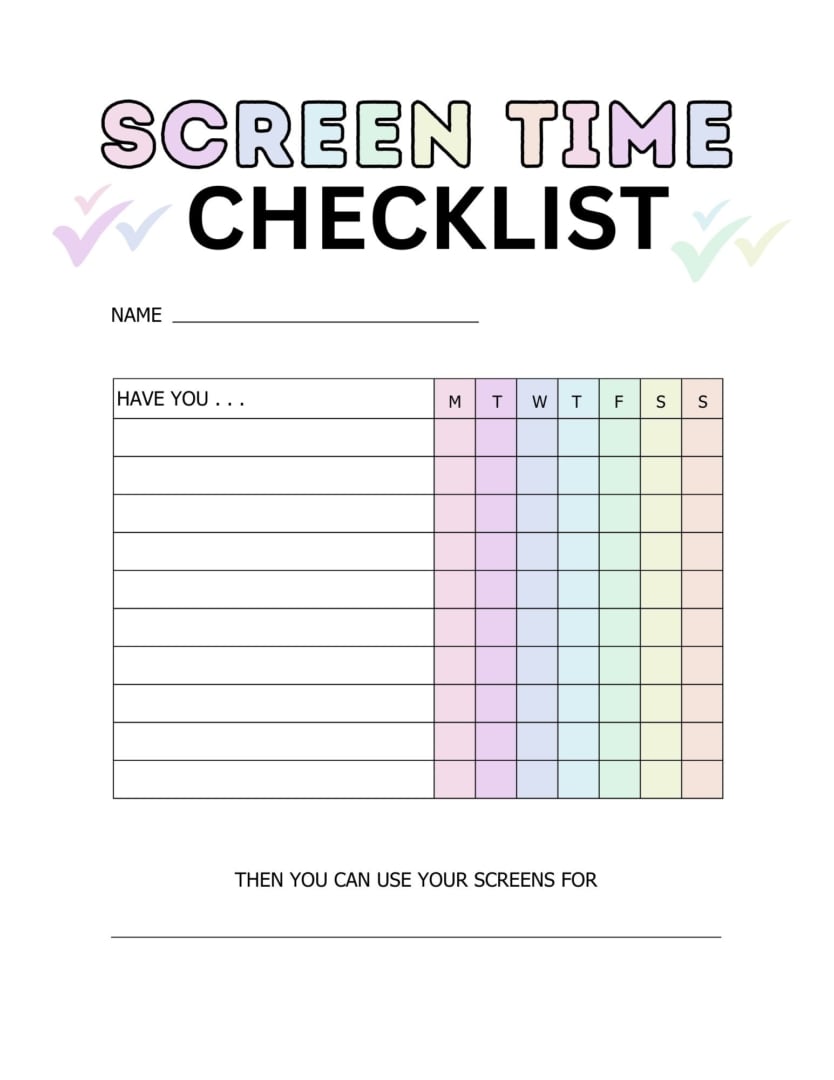
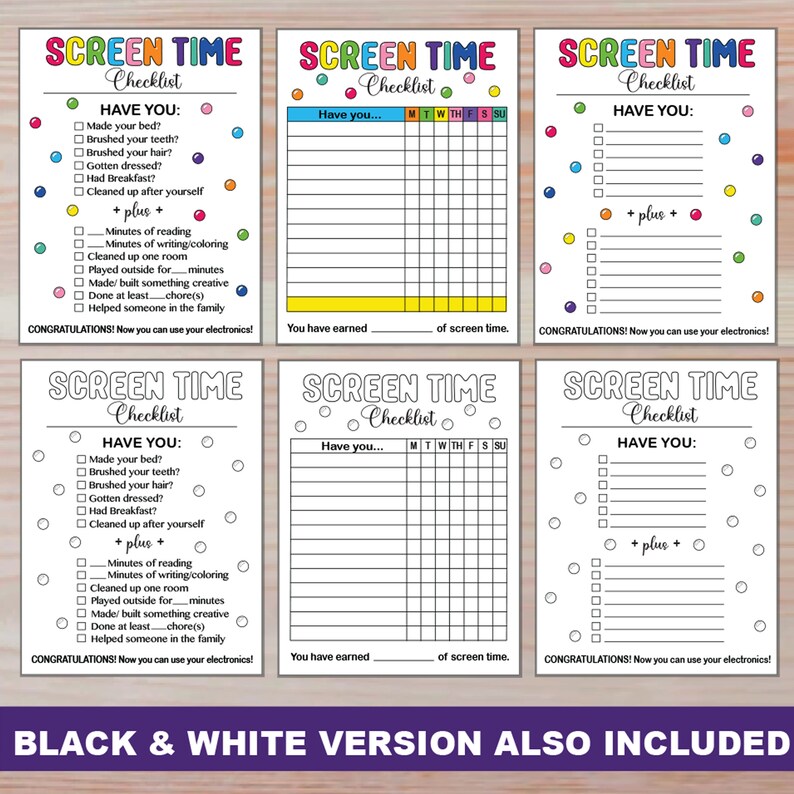
The “free screen time checklist for grade 3” represents a cornerstone resource for fostering healthy digital habits among elementary school children. Specifically designed for learners in grades 1 through 5, this printable worksheet serves as a practical tool for guiding third graders toward responsible technology use. Educators and parents consistently rely on printable worksheets as trusted instruments for building foundational digital awareness and reinforcing crucial internet safety concepts. The hands-on nature of a physical checklist encourages active engagement, transforming abstract safety principles into tangible actions children can understand and implement daily. This resource offers a structured approach to cultivating mindful online behavior, directly supporting the development of essential digital citizenship skills from an early age. Its accessible format makes complex ideas manageable, ensuring that young learners can internalize and apply lessons on balancing screen time with other vital activities. Such resources are invaluable in creating a generation of informed and safe digital citizens.
💡 Educational Key Takeaways:
- Core Skill: Structured Free Screen Time Checklist For Grade 3 focused on developing pencil grip, stroke control, and early literacy/math confidence.
- Target Scope: Suited for homeschoolers, preschool, kindergarten, and elementary learners.
- Best Recommendation: Practice 10–15 minutes daily with ergonomic writing tools to reinforce muscle memory without hand fatigue.
What This Worksheet Covers
The “free screen time checklist for grade 3” focuses on the critical topic of responsible screen time management and the establishment of healthy digital boundaries. This resource addresses concepts such as identifying appropriate online activities, understanding the importance of taking breaks, and recognizing the value of offline engagement. It guides children through scenarios that help them differentiate between productive and recreational screen time, encouraging self-awareness regarding their digital consumption. The checklist prompts reflection on personal screen time habits, fostering an understanding of balance in a child’s daily routine. Content directly aligns with recognized digital citizenship and child safety education standards, which emphasize personal responsibility, well-being, and media literacy. The worksheet provides a framework for discussions about family rules, online etiquette, and the broader impact of technology on physical and mental health. Through clear, actionable items, it translates complex digital safety principles into a format readily understood by third-grade students.
Key Learning Outcomes
By completing the “free screen time checklist for grade 3,” children develop several vital skills and knowledge areas:. Browse more guides on Safe Wired Schools.
- Ability to identify healthy screen time habits and differentiate between beneficial and excessive digital engagement.
- Understanding of digital boundaries and the importance of adhering to predetermined time limits and activity guidelines.
- Capacity to articulate personal preferences for online activities while also recognizing the need for offline pursuits.
- Development of self-regulation skills, enabling children to make informed choices about their digital device use.
- Recognition of the importance of balancing online activities with physical play, creative endeavors, and social interaction.
How to Use This Worksheet
Educators and parents can effectively integrate the “free screen time checklist for grade 3” into various learning environments. The worksheet typically features a mix of activity types designed for elementary learners, including simple true/false questions, fill-in-the-blank statements, and reflection prompts that encourage children to consider their own screen time practices. Instructions are clear and concise, scaffolding learning progressively to ensure accessibility for grade 3 students. Its difficulty level is perfectly pitched for this age group, avoiding overly complex vocabulary or concepts. The resource functions exceptionally well as a standalone activity, providing a focused discussion starter on digital well-being. It can also be seamlessly incorporated as a key component of a broader internet safety lesson plan, reinforcing concepts taught in class. Furthermore, assigning the checklist as homework facilitates family discussions, extending learning beyond the classroom and into the home environment, where screen time decisions are often made collaboratively.
Practical Tips for Parents and Teachers
- Review Beforehand: Familiarize oneself with the checklist content prior to introducing it to children. This allows for anticipation of potential questions and preparation of relevant examples.
- Facilitate Discussion: Encourage open dialogue after completion of the worksheet. Ask questions like, “What does a balanced day look like for you?” or “Why is it important to have rules for screen time?” to deepen understanding.
- Personalize Application: Guide children in customizing the checklist to their own routines or family rules. This makes the concepts more relevant and actionable for individual circumstances.
- Extend Learning: Use the completed checklist as a springboard for creating a family screen time agreement or a classroom digital citizenship poster. Visual aids help reinforce the lessons learned.
- Model Behavior: Demonstrate responsible screen time habits as an adult. Children learn significantly by observing the actions of their role models, making consistent adult behavior a powerful teaching tool.
Age-Appropriate Recommendations
The “free screen time checklist for grade 3” is ideally suited for children in the elementary age band, specifically ages 8 to 9. For this group, the worksheet’s vocabulary is largely accessible, though some terms might benefit from brief explanations or examples to ensure full comprehension. Activity pacing should be moderate, allowing ample time for children to read, reflect, and complete each section without feeling rushed. A moderate level of parental or teacher involvement is highly recommended. Adults should be present to offer guidance, clarify instructions, and facilitate discussions around the concepts presented. For slightly younger elementary learners (ages 6-7), the checklist can still be valuable with increased adult support, such as reading questions aloud and helping to transcribe answers. Older elementary students (ages 10-11) might engage with the checklist more independently, potentially using it as a starting point for developing their own personalized digital well-being plans, with discussions focusing on the long-term benefits of healthy screen habits and self-advocacy for digital balance. Tailoring the approach ensures maximum impact across the elementary spectrum.
Frequently Asked Questions
Q: What is the purpose of a screen time checklist for young children?
A: A screen time checklist helps young children, particularly those in grade 3, understand, monitor, and manage their digital device usage effectively. It promotes self-awareness and encourages the development of healthy habits for balancing online and offline activities.
Q: How does this specific resource support digital citizenship education?
A: The “free screen time checklist for grade 3” fosters responsible digital citizenship by guiding children to make conscious choices about their technology use. It instills principles of balance, self-regulation, and awareness of well-being in the digital world, which are foundational to being a good digital citizen.
Q: Where can the “free screen time checklist for grade 3” be accessed and downloaded?
A: The “free screen time checklist for grade 3” is available for complimentary download directly from the SafeWiredSchools.org website. Navigate to the worksheets section to locate and print this valuable educational resource for immediate use.
Explore More Free Printable Worksheets
A single worksheet serves as an excellent starting point, yet its true value is amplified when integrated into a consistent digital safety learning routine. Effective digital education is a continuous process, best supported by a comprehensive collection of resources. Educators and parents are encouraged to explore the full array of free printable internet safety worksheets, activity sheets, checklists, quizzes, and more. These resources are readily available at SafeWiredSchools.org Worksheets, covering every essential internet safety topic. Each resource is thoughtfully designed for every grade level and learning environment, ensuring that relevant and engaging materials are always within reach to support children’s journey toward becoming safe and responsible digital citizens.
Developmental Milestone & Activity Table
| Development Stage | Recommended Daily Duration | Primary Learning Objective |
|---|---|---|
| Preschool & Pre-K | 10 – 15 Minutes | Pencil grip development & basic pre-stroke lines |
| Kindergarten | 15 – 20 Minutes | Letter/number formation & spatial line awareness |
| Early Elementary (Grade 1–2) | 20 – 30 Minutes | Fluency, sentence construction & neatness |
Images References