Introduction
Establishing clear digital boundaries is fundamental for children navigating the online world. The “free printable screen time agreement for kids” resource serves as a vital tool for reinforcing internet safety concepts through a practical, hands-on approach. This agreement is particularly relevant for Elementary grades 15 and Middle School grades 68, providing a structured framework for discussing and agreeing upon responsible device usage. Printable worksheets, such as this screen time agreement, are trusted pedagogical instruments valued by educators and parents alike. Their tangible nature allows for active engagement, helping to build digital awareness and cultivate responsible online behavior. The act of physically interacting with rules and expectations solidifies understanding, moving abstract concepts into concrete commitments. This approach fosters a collaborative environment where children become active participants in their digital well-being, guided by established family or classroom guidelines.
💡 Educational Key Takeaways:
- Core Skill: Structured Free Printable Screen Time Agreement For Kids focused on developing pencil grip, stroke control, and early literacy/math confidence.
- Target Scope: Suited for homeschoolers, preschool, kindergarten, and elementary learners.
- Best Recommendation: Practice 10–15 minutes daily with ergonomic writing tools to reinforce muscle memory without hand fatigue.
What This Worksheet Covers
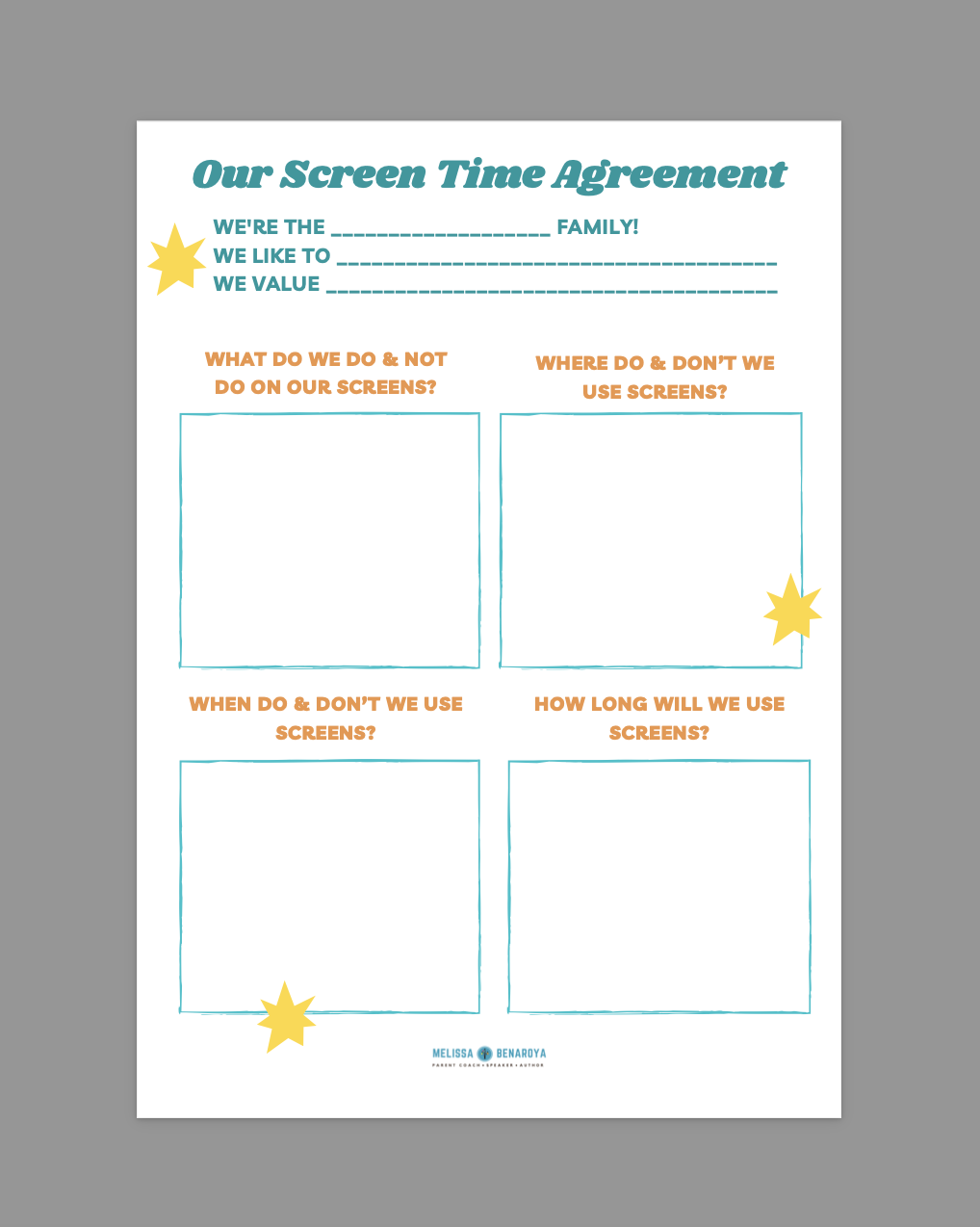
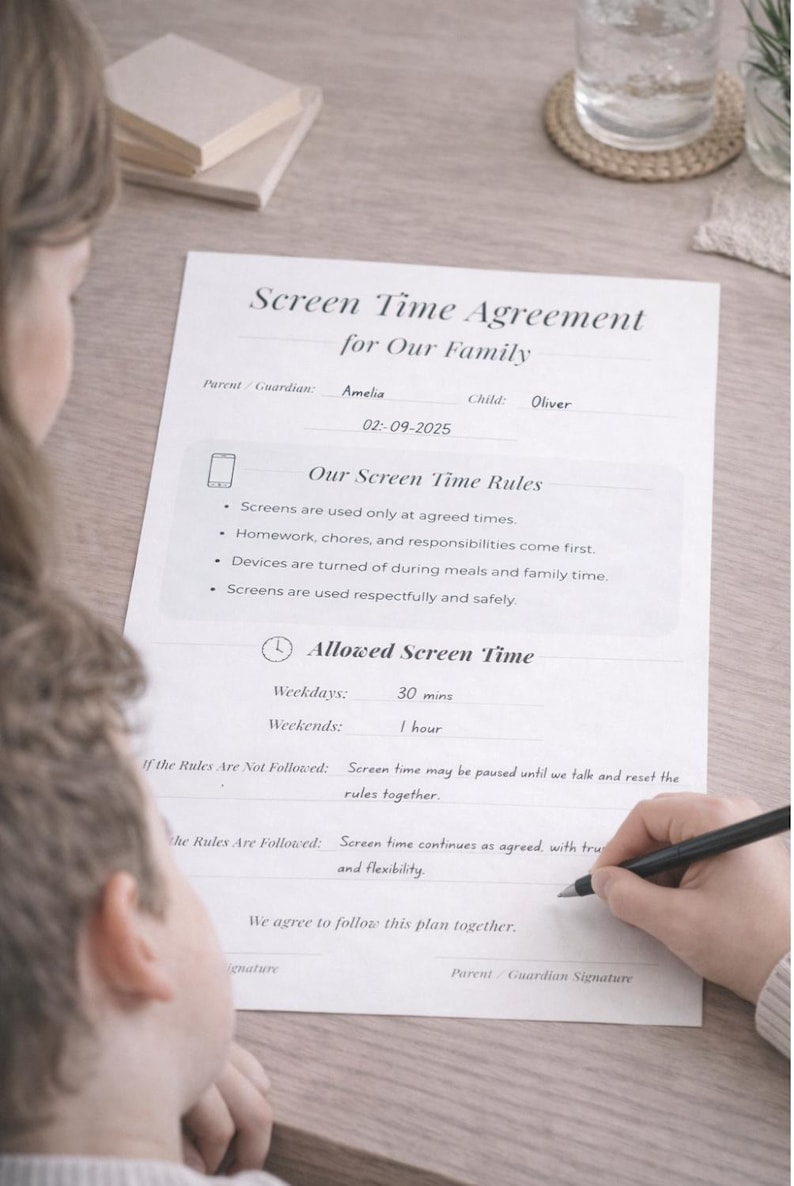
This “free printable screen time agreement for kids” directly addresses the crucial internet safety topic of responsible digital device use and the establishment of healthy screen time habits. The worksheet outlines specific concepts related to digital citizenship, including appropriate content selection, understanding time limits, and recognizing the importance of offline activities. It covers scenarios that prompt discussions around online etiquette, privacy, and the consequences of violating established rules. The agreement clarifies parental or educator roles in monitoring and guiding digital interactions, alongside the child’s responsibilities for self-regulation. Content within the worksheet connects directly to recognized digital citizenship and child safety education standards, which emphasize balancing screen time with other activities, respecting digital boundaries, and fostering open communication about online experiences. The resource provides a clear template for documenting agreed-upon terms, transforming abstract expectations into a formal, shared understanding.
Key Learning Outcomes
By engaging with the “free printable screen time agreement for kids,” children and students will develop several crucial skills and areas of knowledge:. Browse more guides on Safe Wired Schools.
- Demonstration of understanding regarding responsible screen time limits and their impact on daily life.
- Development of the ability to identify appropriate and safe online content and activities.
- Enhancement of communication skills related to discussing and negotiating digital device use within family or classroom settings.
- Recognition and acceptance of established family or classroom rules and consequences concerning online behavior.
- Promotion of self-regulation and the adoption of balanced digital habits that prioritize well-being.
How to Use This Worksheet
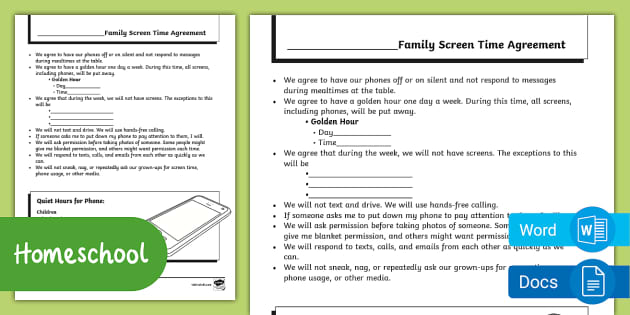
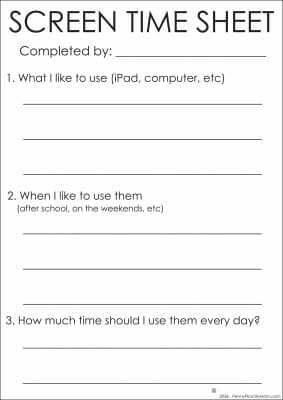
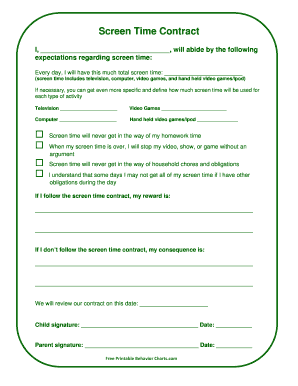
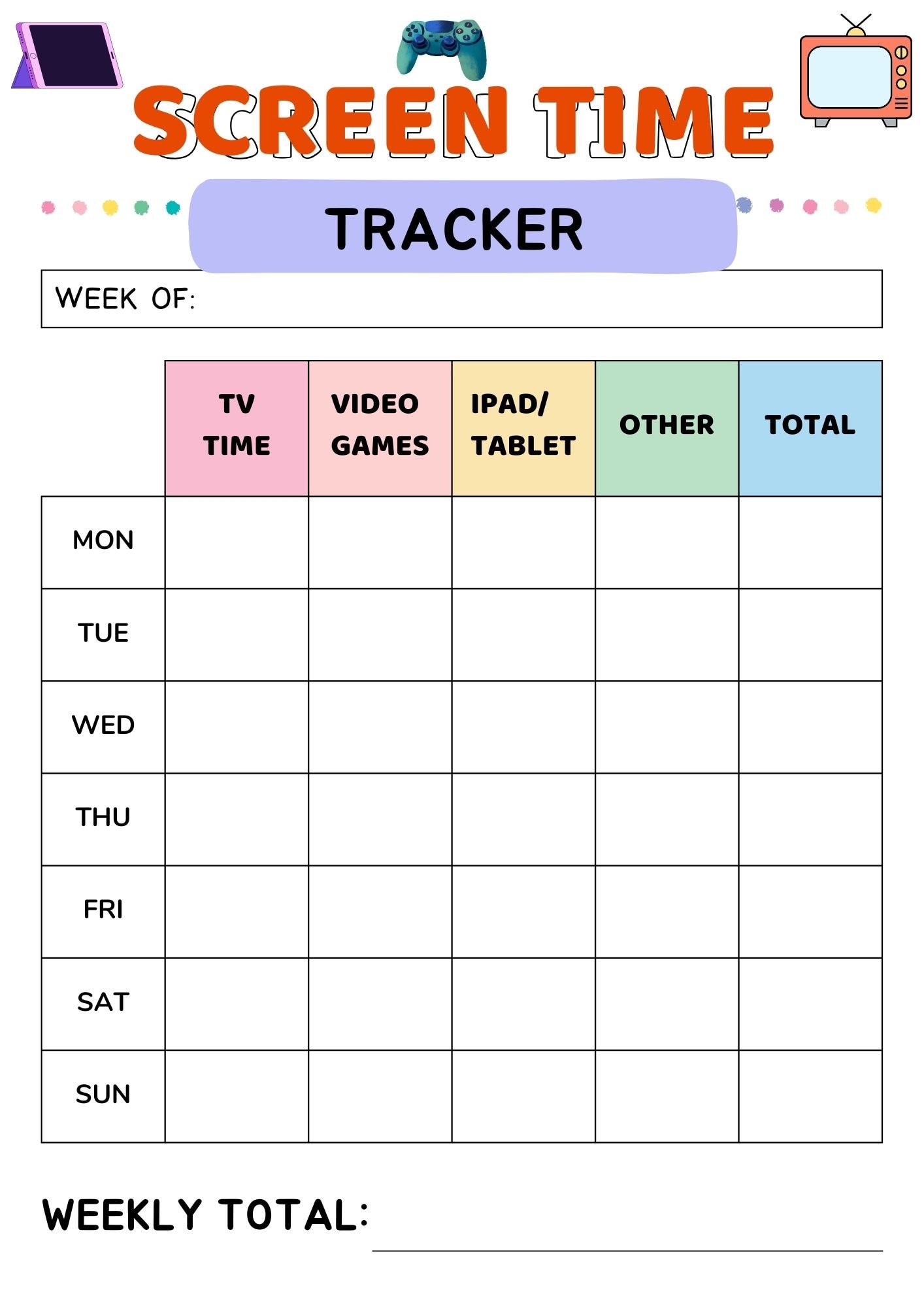
The “free printable screen time agreement for kids” offers a flexible and effective resource for both educational settings and home environments. The worksheet typically features sections for outlining specific rules, such as daily time limits, acceptable applications or websites, and designated screen-free zones or times. It often includes fill-in-the-blank sections for personalized rules, checkboxes for agreeing to terms, and spaces for signatures from all involved parties. The difficulty level is adaptable, with simpler language and fewer rules for younger children, progressing to more detailed discussions and agreements for older students. Instructions within the worksheet scaffold learning progressively, starting with basic concepts and building towards a comprehensive understanding of digital responsibility. This agreement can function as a standalone activity to initiate discussions about digital habits, integrate seamlessly into a broader digital citizenship lesson plan, or be assigned as homework to encourage family dialogue and commitment to online safety.
Practical Tips for Parents and Teachers
- Prepare the Environment: Before introducing the agreement, create a positive and open atmosphere. Explain that the agreement aims to help everyone enjoy technology safely and responsibly, rather than imposing strict restrictions.
- Facilitate Collaborative Discussion: Avoid simply presenting the agreement as a set of rules. Engage children in a discussion about why certain rules are important, allowing them to contribute ideas and understand the rationale behind each guideline.
- Personalize the Agreement: Encourage children to help customize the agreement by adding specific activities they enjoy or suggesting fair consequences. This fosters a sense of ownership and increases adherence.
- Display and Review Regularly: Once completed, print and display the signed agreement in a visible location. Schedule regular check-ins (e.g., monthly) to review the rules, discuss challenges, and make necessary adjustments as children grow or technology evolves.
- Model Responsible Behavior: Adults should consistently model the digital habits outlined in the agreement. Demonstrating balanced screen use and adherence to digital boundaries reinforces the importance and legitimacy of the agreement for children.
Age-Appropriate Recommendations
Adapting the “free printable screen time agreement for kids” to suit varying developmental stages ensures maximum effectiveness and understanding.
For Ages 58 (Early Elementary), the focus should remain on foundational concepts and highly visual cues. Vocabulary support is crucial; use simple, direct language when discussing rules like “no screens at dinner” or “only approved games.” Activity pacing should be brief, engaging children in drawing or circling appropriate activities. Parental or teacher involvement is high, guiding the discussion and physically helping to complete the agreement. Emphasis should be placed on understanding basic boundaries and the concept of balanced play, both online and offline.
For Ages 913 (Late Elementary/Middle School), the agreement can become a more collaborative effort. Children at this age are capable of understanding consequences and contributing to rule-setting. Encourage them to articulate why specific rules are important for their safety and well-being. The worksheet can include sections for them to write down their own commitments and discuss potential adjustments. Parental or teacher involvement transitions to facilitation, guiding the conversation rather than dictating terms, promoting a sense of shared responsibility and negotiation skills.
For Ages 1418 (High School), the screen time agreement can evolve into a personal digital well-being contract. Discussions should center on self-negotiation, the impact of digital use on sleep, academic performance, and social interactions. The agreement can address critical thinking about online content, managing digital distractions, and fostering digital independence. The role of adults becomes one of mentorship, offering guidance and support as older students take greater ownership of their digital choices and refine their personal boundaries for long-term healthy habits.
Frequently Asked Questions
Q: What is a screen time agreement for kids? A: A screen time agreement is a written document outlining clear rules and expectations for a child’s use of digital devices, including time limits, approved content, and consequences for non-compliance. It fosters responsibility and establishes healthy digital boundaries. Q: How does this agreement benefit children and families? A: This agreement promotes open communication about digital habits, helps children develop self-regulation skills, and ensures a safer online experience. It reduces conflict by setting clear expectations and encourages a balanced approach to technology use. Q: How can I access and download the free printable screen time agreement for kids? A: The “free printable screen time agreement for kids” can be easily accessed and downloaded directly from the SafeWiredSchools.org website. Navigate to the “Worksheets” section, locate the resource, and click the download button for immediate printing.
Explore More Free Printable Worksheets
While the “free printable screen time agreement for kids” offers significant value in isolation, its impact is magnified when integrated into a consistent digital safety learning routine. A single worksheet works best as part of a broader collection of printable resources that address various facets of internet safety. Educators and parents are invited to explore a full collection of free printable internet safety worksheets, activity sheets, checklists, quizzes, and more at SafeWiredSchools.org Worksheets. This comprehensive repository covers every internet safety topic imaginable, designed for every grade level and learning environment, ensuring continuous and progressive digital literacy development for all children.
Developmental Milestone & Activity Table
| Development Stage | Recommended Daily Duration | Primary Learning Objective |
|---|---|---|
| Preschool & Pre-K | 10 – 15 Minutes | Pencil grip development & basic pre-stroke lines |
| Kindergarten | 15 – 20 Minutes | Letter/number formation & spatial line awareness |
| Early Elementary (Grade 1–2) | 20 – 30 Minutes | Fluency, sentence construction & neatness |
Images References