Introduction
The establishment of healthy digital habits begins in the earliest stages of learning. A crucial resource for this foundational education is the “screen time rules for kindergartners printable” worksheet, designed specifically for the Preschool (ages 35) and early Elementary (Kindergarten) educational levels. This accessible tool plays a vital role in reinforcing fundamental internet safety concepts through a hands-on, tangible learning experience. Educators and parents consistently trust printable worksheets as effective instruments for building digital awareness and fostering responsible online behavior. Their tactile nature allows young learners to engage directly with content, moving beyond abstract concepts to concrete actions. This approach ensures that crucial lessons about managing screen time are not just heard but actively processed and understood, laying a robust groundwork for lifelong digital literacy and safety.
💡 Educational Key Takeaways:
- Core Skill: Structured Screen Time Rules For Kindergartners Printable focused on developing pencil grip, stroke control, and early literacy/math confidence.
- Target Scope: Suited for homeschoolers, preschool, kindergarten, and elementary learners.
- Best Recommendation: Practice 10–15 minutes daily with ergonomic writing tools to reinforce muscle memory without hand fatigue.
What This Worksheet Covers
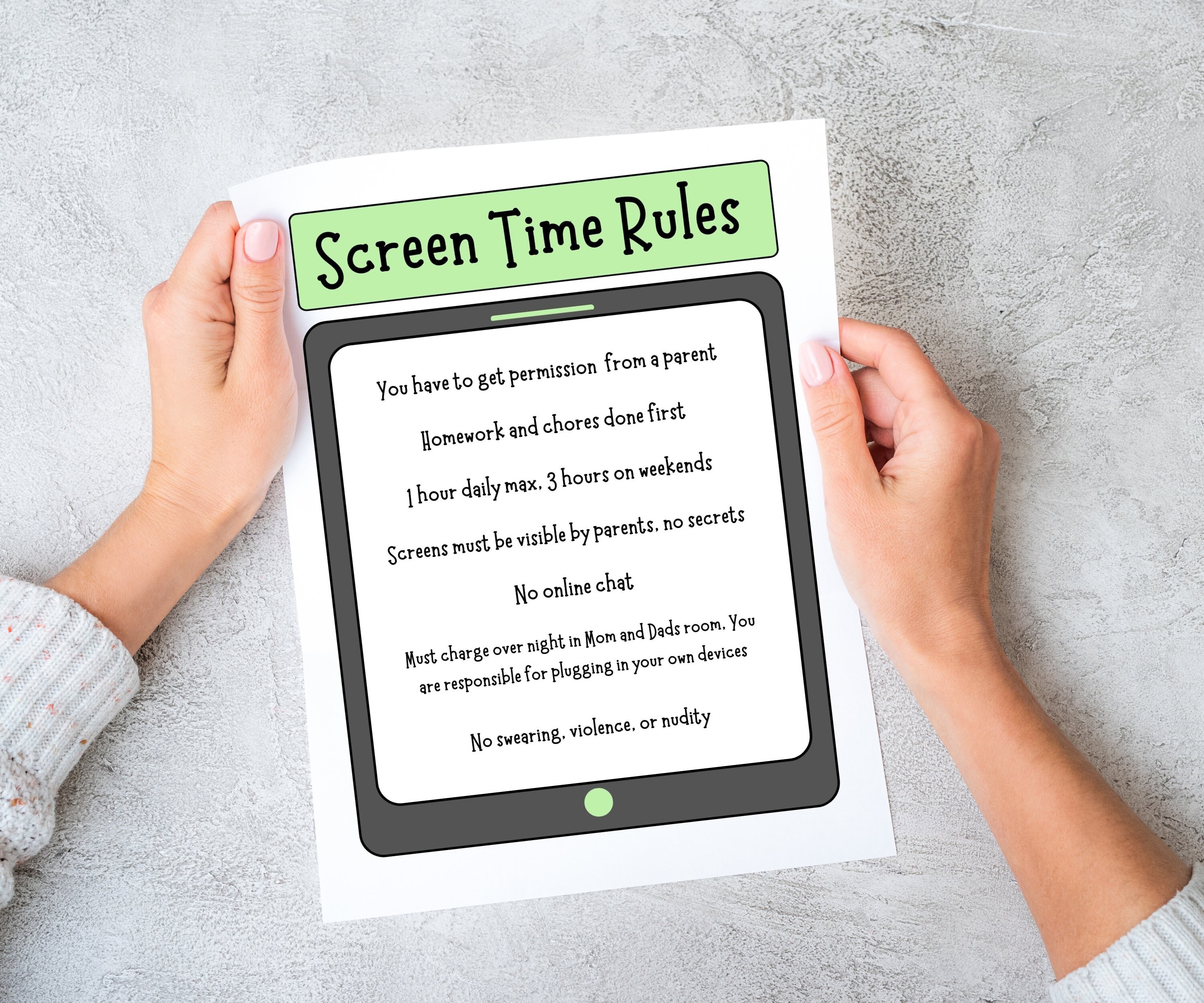
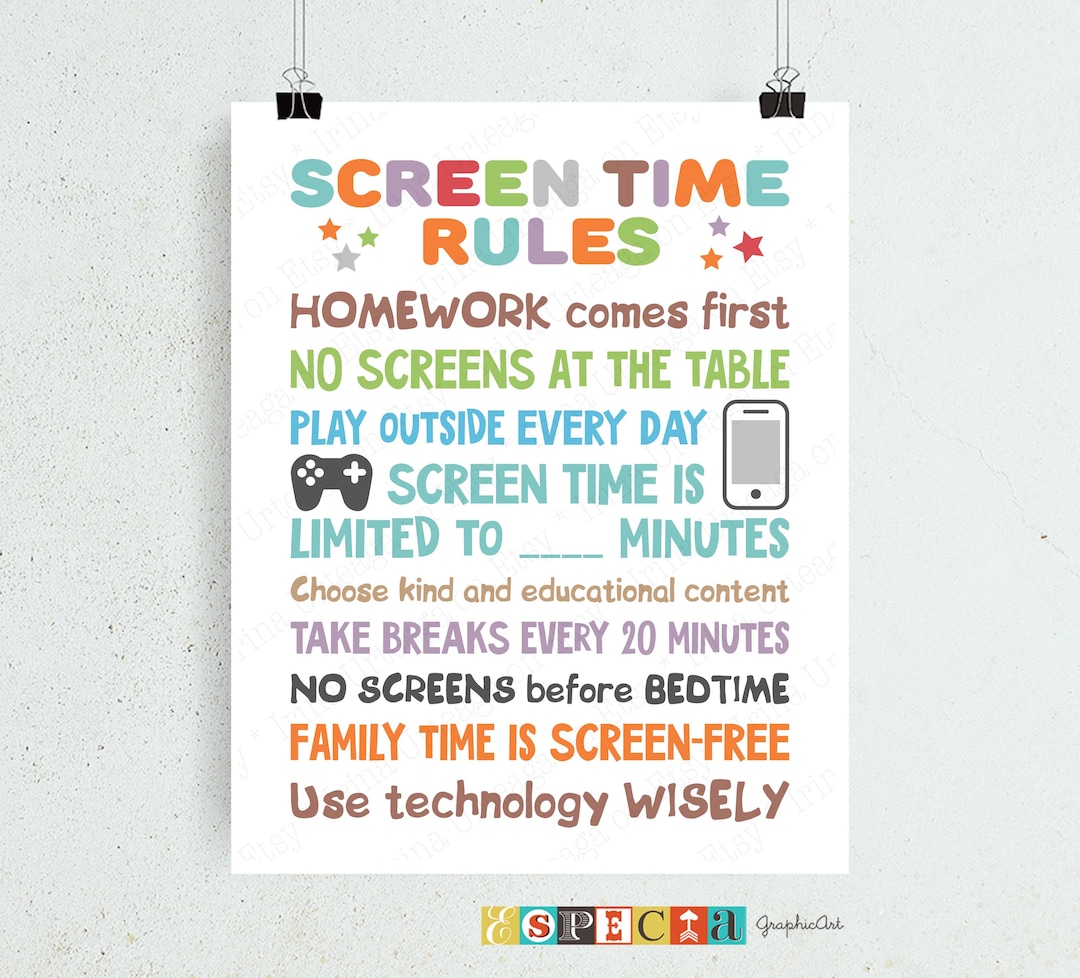
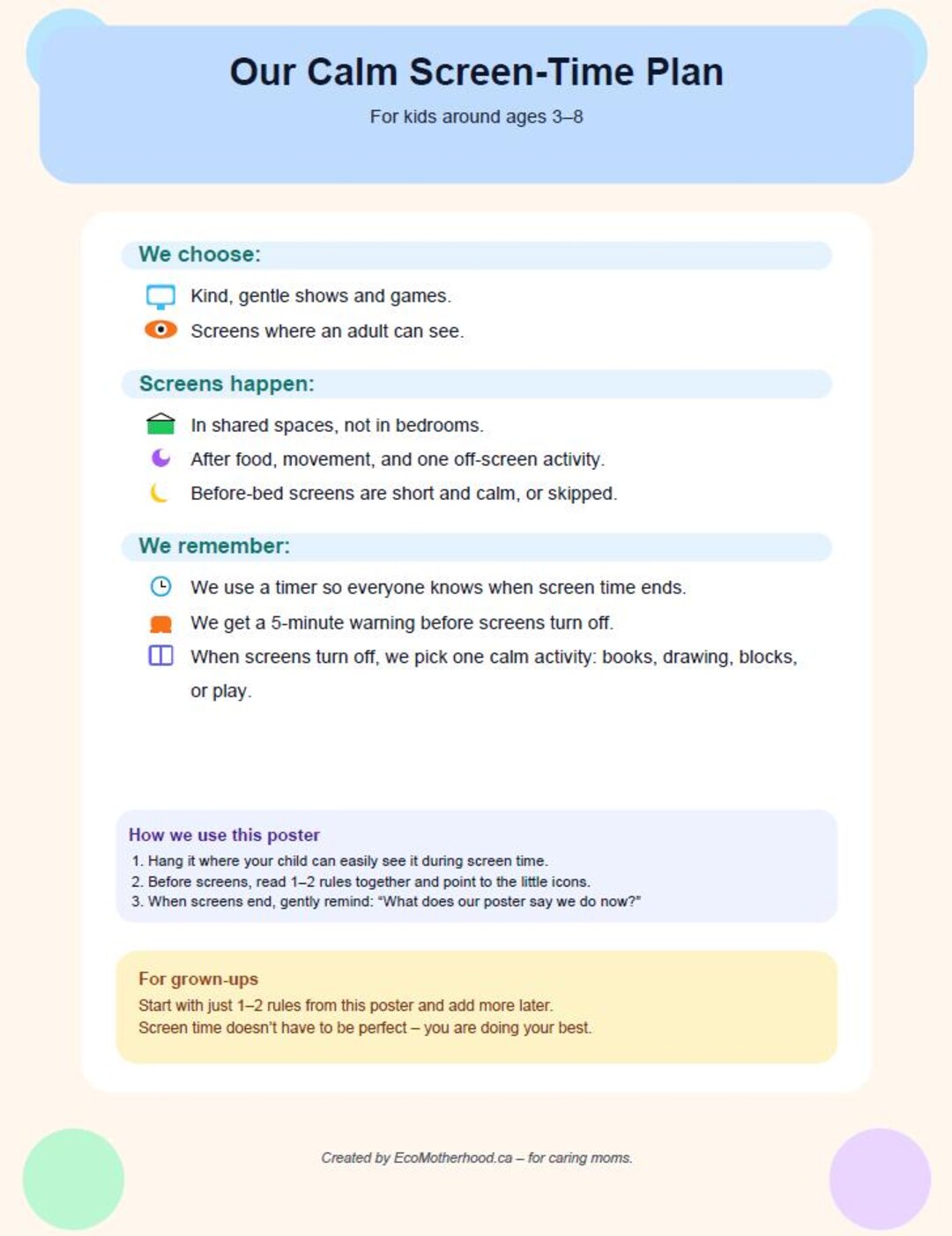
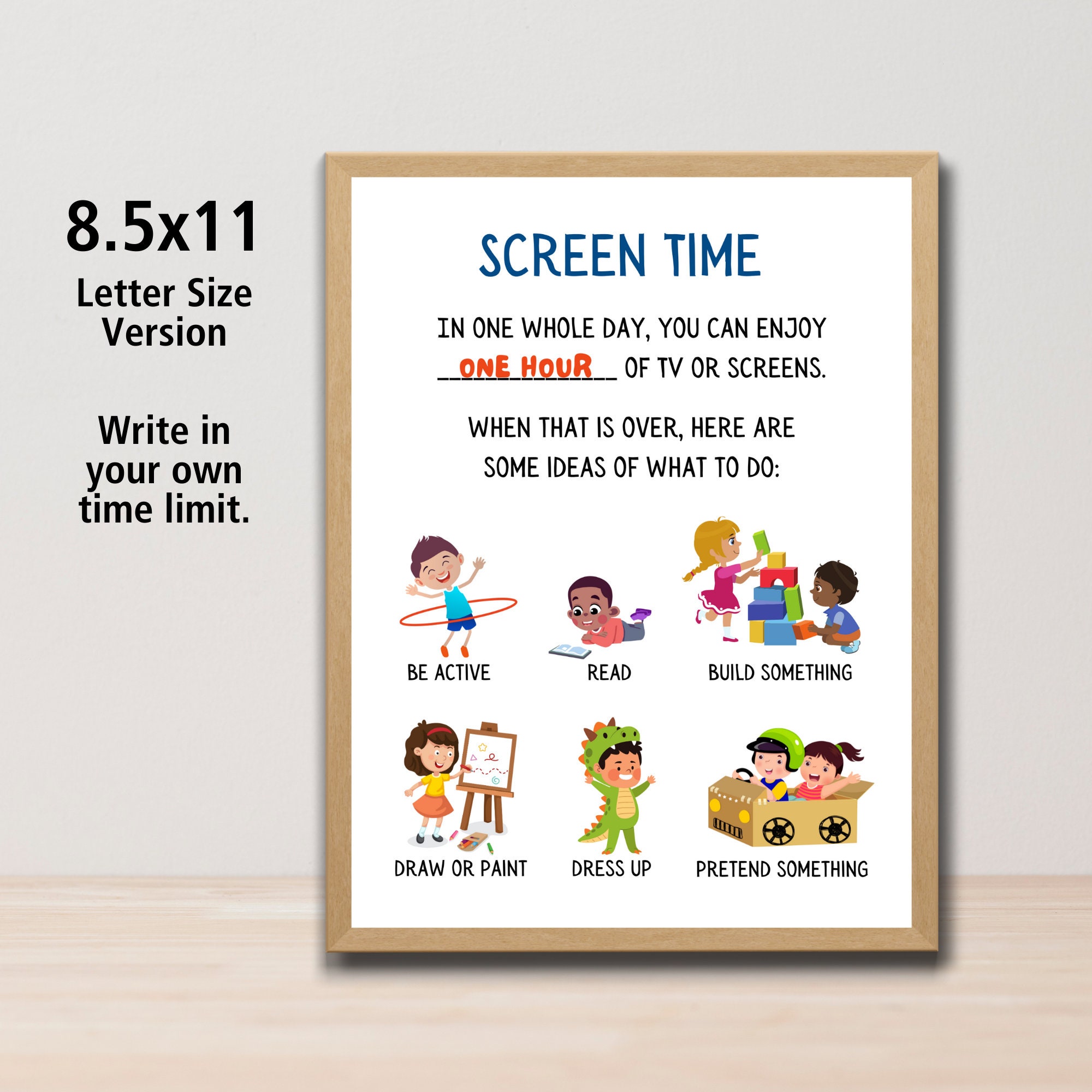
The “screen time rules for kindergartners printable” addresses the critical internet safety topic of healthy screen time management and digital boundaries. This resource introduces young children to basic rules regarding when, where, and for how long screens can be used. Key concepts covered include the importance of asking permission before using devices, understanding designated screen-free times (e.g., mealtimes, bedtime), and recognizing that other activities are equally important. The worksheet clarifies simple scenarios where rules apply, helping kindergartners grasp the practical application of these guidelines. Content directly connects to recognized early childhood digital citizenship standards, emphasizing self-regulation, media balance, and communication about technology use within a safe framework.
Key Learning Outcomes
By engaging with the “screen time rules for kindergartners printable,” children will develop several essential skills and knowledge areas:. Browse more guides on Safe Wired Schools.
- Children will learn to identify appropriate times and situations for screen use, distinguishing them from screen-free activities.
- Young learners will understand the concept of seeking permission from a trusted adult before engaging with digital devices.
- Students will begin to recognize the importance of balancing screen time with other activities such as play, reading, and outdoor exploration.
- Kindergartners will develop foundational communication skills for discussing screen time expectations and limits with caregivers.
- Children will start to internalize basic rules that promote a safe and healthy relationship with technology from an early age.
How to Use This Worksheet
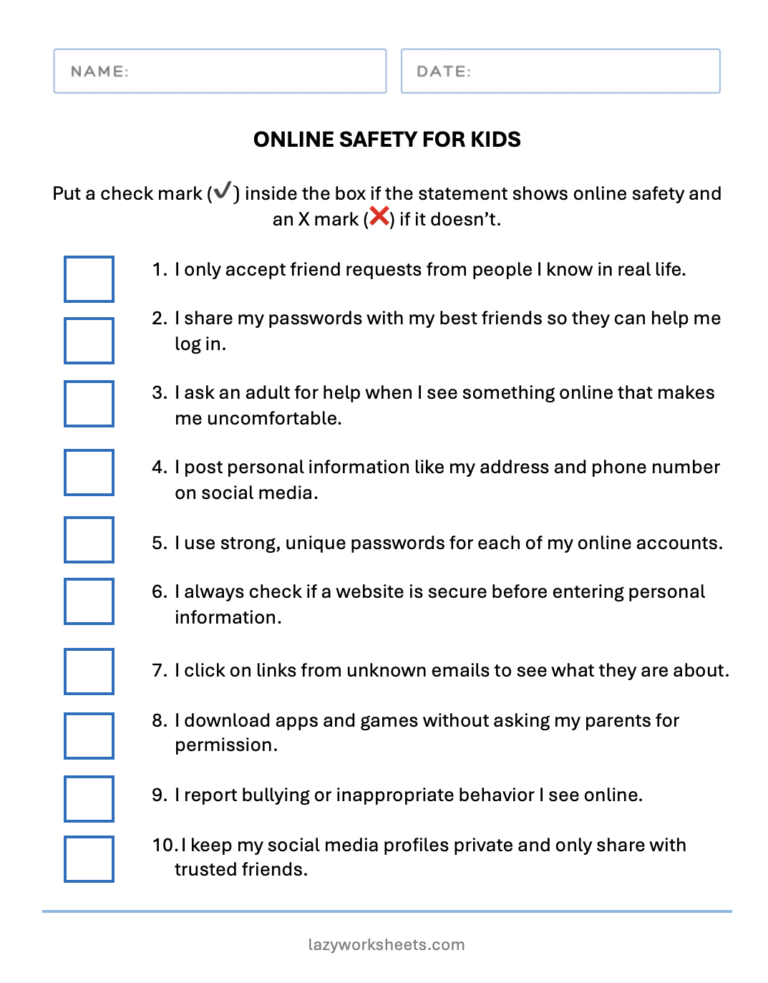
Educators and parents can effectively integrate the “screen time rules for kindergartners printable” into various learning environments. The worksheet typically features simple, engaging activity types such as drawing, coloring, matching simple images to rules, or circling appropriate/inappropriate screen time scenarios. Its difficulty level is perfectly suited for kindergartners, with clear visual cues and minimal text that can be read aloud by an adult. Instructions are designed to scaffold learning progressively, starting with basic recognition and moving towards simple decision-making. This resource functions excellently as a standalone activity to introduce or reinforce screen time concepts, as a component of a broader digital citizenship lesson plan, or as a take-home assignment to foster family discussions about technology use.
Practical Tips for Parents and Teachers
- Preparation and Engagement: Print the worksheet in advance and gather crayons, markers, or pencils. Introduce the activity by discussing why rules are important for safety and fun, connecting it to other rules children already understand (e.g., playground rules).
- Facilitate and Discuss: Read all instructions and rule statements aloud, ensuring understanding. Encourage children to verbalize their choices or drawings, prompting them with questions like, “Why is this a good screen time rule?” or “What else could you do instead of watching a screen right now?”
- Model and Reinforce: Demonstrate the rules in daily life. If the worksheet discusses “no screens at dinner,” ensure family meals are screen-free. Consistent modeling reinforces the importance and applicability of the rules.
- Extend the Learning: After completing the worksheet, create a personalized “Family Screen Time Plan” or “Classroom Tech Rules” poster using ideas from the printable. Display it prominently as a visual reminder. Role-play different scenarios where screen time rules might apply.
- Positive Reinforcement: Acknowledge and praise children for following screen time rules and making healthy choices. Focus on the positive aspects of balanced media use and the fun of alternative activities.
Age-Appropriate Recommendations
For kindergartners (ages 56), the “screen time rules for kindergartners printable” is ideally suited for direct engagement with adult guidance. At this age, children benefit greatly from one-on-one or small-group interaction. Vocabulary support is crucial; adults should simplify complex terms and explain concepts using concrete examples familiar to the child’s daily life. Activity pacing should be flexible, allowing children ample time for drawing, coloring, and discussing without rush. High levels of parental or teacher involvement are recommended to read instructions, prompt discussions, and help connect the worksheet content to real-world scenarios. For slightly younger children (ages 34), the worksheet can be used as a visual aid for discussion, focusing primarily on identification and coloring, with a greater emphasis on adult-led conversation. For children in early first grade (ages 67), the worksheet can serve as a quick review or a springboard for more independent reflection, with discussions moving towards understanding the ‘why’ behind the rules and potential consequences of not following them.
Frequently Asked Questions
Q: What specific internet safety topic does this printable address? A: The “screen time rules for kindergartners printable” focuses on establishing healthy screen time habits and understanding digital boundaries for young children. It covers rules related to when, where, and for how long screens should be used.
Q: Is this worksheet suitable for children older than kindergarten? A: While specifically designed for kindergartners, the concepts are foundational and can be used as a review for early elementary students (grades 1-2). Older children might benefit from deeper discussions prompted by the simple rules presented.
Q: How can educators or parents access and download this free printable? A: The “screen time rules for kindergartners printable” and many other valuable resources are available for free download on the SafeWiredSchools.org website. Navigate to the “Worksheets” section to find and print this and other educational materials.
Explore More Free Printable Worksheets
A single worksheet serves as an excellent starting point, but consistent digital safety education thrives within a comprehensive framework. The “screen time rules for kindergartners printable” works best as part of a broader collection of accessible, printable resources that reinforce key concepts over time. Educators and parents are encouraged to explore the full suite of free printable internet safety worksheets, activity sheets, checklists, quizzes, and more at SafeWiredSchools.org Worksheets. This extensive collection covers every essential internet safety topic, meticulously designed for every grade level and diverse learning environment, ensuring a continuous and robust digital citizenship education.
Developmental Milestone & Activity Table
| Development Stage | Recommended Daily Duration | Primary Learning Objective |
|---|---|---|
| Preschool & Pre-K | 10 – 15 Minutes | Pencil grip development & basic pre-stroke lines |
| Kindergarten | 15 – 20 Minutes | Letter/number formation & spatial line awareness |
| Early Elementary (Grade 1–2) | 20 – 30 Minutes | Fluency, sentence construction & neatness |
Images References