Introduction
The “free cyberbullying worksheet for grade 5″ is an invaluable resource designed for elementary learners, specifically targeting children aged 9-11. This printable tool reinforces crucial internet safety concepts through engaging, hands-on activities. Educators and parents consistently trust printable worksheets as effective instruments for cultivating digital awareness and fostering responsible online behavior. These resources offer a tangible, focused approach to complex topics, making abstract digital concepts more accessible for young minds. Integrating such materials into daily learning routines builds a strong foundation for safe internet practices. The structured nature of worksheets provides a clear learning path, ensuring key messages are absorbed and retained. Such pedagogical tools are essential in equipping the next generation with the knowledge required to navigate the digital world securely.
💡 Educational Key Takeaways:
- Core Skill: Structured Free Cyberbullying Worksheet For Grade 5 focused on developing pencil grip, stroke control, and early literacy/math confidence.
- Target Scope: Suited for homeschoolers, preschool, kindergarten, and elementary learners.
- Best Recommendation: Practice 10–15 minutes daily with ergonomic writing tools to reinforce muscle memory without hand fatigue.
What This Worksheet Covers
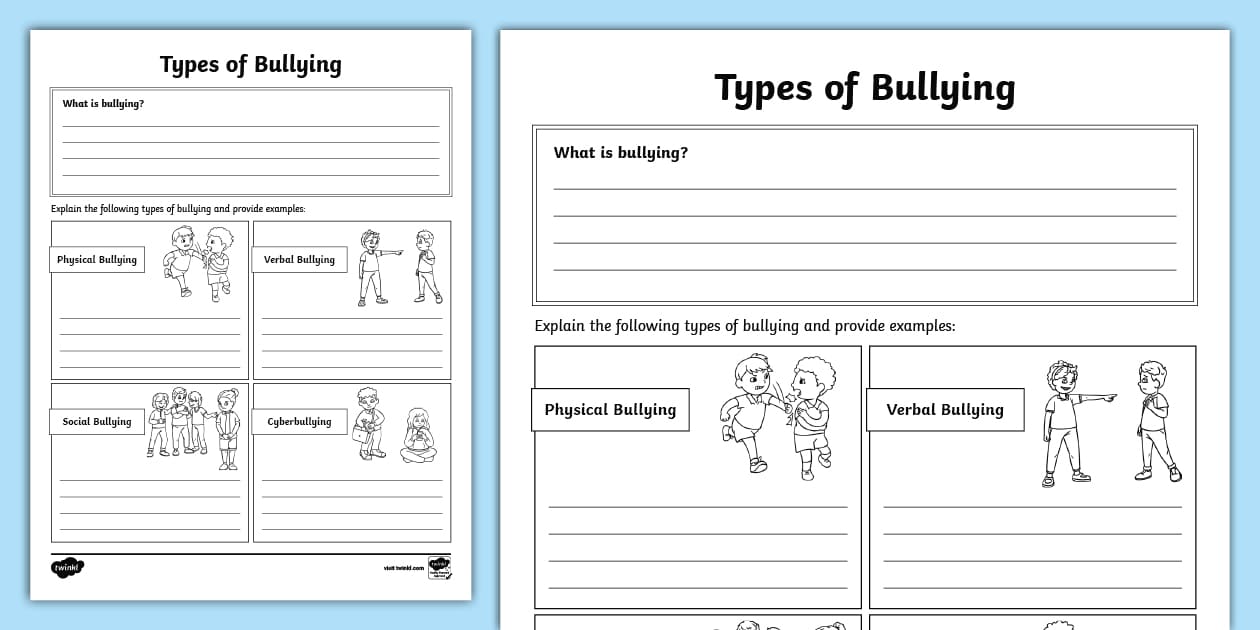
This “free cyberbullying worksheet for grade 5″ specifically addresses the critical issue of cyberbullying. It introduces students to what cyberbullying means, how it differs from traditional bullying, and the various forms it can take online. The resource covers identifying cyberbullying behaviors, understanding the emotional impact on victims, and recognizing personal feelings if targeted. It clarifies essential rules for online interaction, emphasizing kindness, respect, and empathy in digital communication. Furthermore, the worksheet focuses on proactive strategies for prevention and responsive actions to take if cyberbullying occurs. It outlines the importance of seeking help from trusted adults, such as parents, teachers, or school counselors, and provides practical steps for reporting incidents. This content aligns directly with recognized digital citizenship and child safety education standards, promoting responsible online conduct and personal well-being.
Key Learning Outcomes
Completing this worksheet equips students with vital digital safety skills and knowledge.
- Identification of Cyberbullying: Learners develop the ability to accurately recognize various forms of cyberbullying in online scenarios.
- Understanding Impact: Children gain insight into the emotional effects cyberbullying has on individuals, fostering empathy and awareness.
- Seeking Support: Students learn the importance of reaching out to trusted adults when encountering or witnessing cyberbullying.
- Reporting Mechanisms: The worksheet teaches practical steps for reporting cyberbullying incidents safely and effectively.
- Responsible Digital Citizenship: Learners cultivate an understanding of respectful online communication and personal responsibility in digital spaces.
How to Use This Worksheet
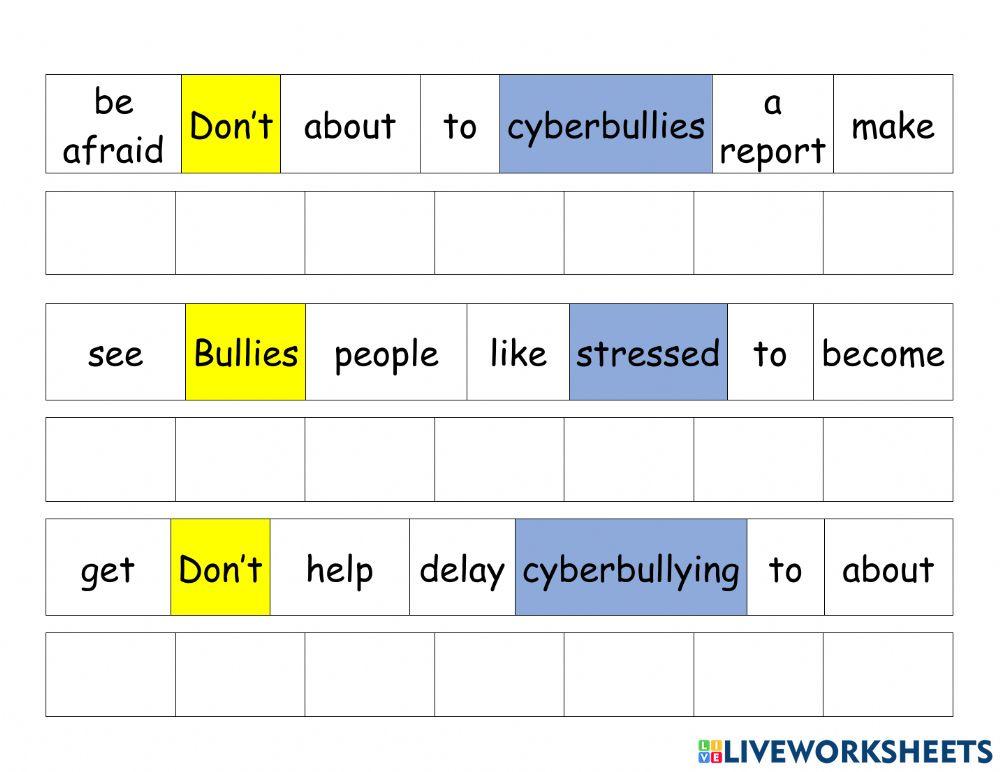
The “free cyberbullying worksheet for grade 5” offers flexible integration into educational settings or home learning environments. The worksheet incorporates a variety of activity types, including fill-in-the-blank questions, matching exercises, true or false statements, and scenario-based problem-solving. It also includes sections for drawing or reflective writing, encouraging diverse forms of engagement. The difficulty level is carefully calibrated for fifth-grade comprehension, with instructions scaffolding learning progressively. Clear, concise directions guide students through each section, ensuring accessibility. This resource functions effectively as a standalone activity to introduce or review cyberbullying concepts. It can also be incorporated as a valuable component of a broader internet safety lesson plan, serving as a reinforcement tool. Additionally, the worksheet proves ideal for homework assignments, allowing students to consolidate learning independently or with family guidance. Browse more guides on Safe Wired Schools.
Practical Tips for Parents and Teachers
Maximizing the educational impact of the “free cyberbullying worksheet for grade 5” involves thoughtful preparation and facilitation.
- Pre-Activity Discussion: Initiate a brief conversation about internet use and respectful communication before distributing the worksheet.
- Active Guidance: Be available to clarify instructions or discuss scenarios as children work through the activities, offering support without providing direct answers.
- Post-Completion Dialogue: Facilitate a group or one-on-one discussion after the worksheet is completed, allowing students to share their answers and insights.
- Role-Playing Scenarios: Extend learning by role-playing situations presented in the worksheet, practicing appropriate responses to cyberbullying.
- Resource Exploration: Encourage further exploration of related topics by pointing to other reliable internet safety resources or age-appropriate books.
Age-Appropriate Recommendations
The “free cyberbullying worksheet for grade 5” is optimally designed for children aged 9-11. For this age group, the content directly addresses their emerging digital independence and social dynamics. Vocabulary support is generally minimal, as terms are chosen for fifth-grade comprehension. Activity pacing can allow for focused completion within a typical lesson period or homework session. Parental or teacher involvement for this age band focuses on facilitation and discussion rather than direct assistance. For slightly younger learners, such as those in grades 3-4 (ages 7-8), the worksheet can be introduced with significant adult guidance. Vocabulary may require pre-teaching or simplification, and activities should be broken into smaller, more manageable segments. For older students in grades 6-8 (ages 12-14), this worksheet can serve as a valuable review or a starting point for deeper discussions on digital ethics and online reputation management. The core concepts remain relevant, but conversations can explore more nuanced aspects of online interactions and legal ramifications.
Frequently Asked Questions
Q: How can one access the “free cyberbullying worksheet for grade 5”?
A: This printable resource is available for immediate download from the SafeWiredSchools.org website. Navigate to the worksheets section, locate the specific title, and click the download link. Printing is straightforward from any standard home or school printer.
Q: What makes this worksheet effective for grade 5 students?
A: The worksheet employs age-appropriate language, relatable scenarios, and interactive activities specifically tailored to the cognitive and emotional development of 9-11 year olds. Its focus on practical actions empowers students to respond confidently to cyberbullying situations.
Q: Can this worksheet be used in a group setting, like a classroom?
A: Absolutely. The worksheet is highly suitable for classroom use, facilitating group discussions and collaborative learning. Teachers can distribute it as an individual assignment or use it to spark whole-class conversations about digital safety.
Explore More Free Printable Worksheets
A single resource, while valuable, achieves its greatest impact as part of a comprehensive learning routine. The “free cyberbullying worksheet for grade 5” serves as an excellent entry point into a broader collection of digital safety tools. Educators and parents are encouraged to explore a full collection of free printable internet safety worksheets, activity sheets, checklists, quizzes, and more at SafeWiredSchools.org Worksheets. These resources cover every essential internet safety topic and are meticulously designed for every grade level and learning environment, ensuring continuous, age-appropriate digital education for all learners.
Developmental Milestone & Activity Table
| Development Stage | Recommended Daily Duration | Primary Learning Objective |
|---|---|---|
| Preschool & Pre-K | 10 – 15 Minutes | Pencil grip development & basic pre-stroke lines |
| Kindergarten | 15 – 20 Minutes | Letter/number formation & spatial line awareness |
| Early Elementary (Grade 1–2) | 20 – 30 Minutes | Fluency, sentence construction & neatness |
Images References