Introduction
The term “screen time balance checklist for kids” functions as a noun phrase, identifying a specific educational resource. This resource is designed primarily for Elementary grades 1-5 and Middle School grades 6-8, though its foundational principles are adaptable for early learners aged 5 and older students up to 18. The “Screen Time Balance Checklist for Kids” serves as a crucial tool for reinforcing vital internet safety concepts through hands-on, printable learning. Educators and parents consistently trust printable worksheets as effective instruments for building digital awareness and fostering responsible online behavior. These tangible resources offer a direct, engaging method for children to interact with important topics, moving beyond passive consumption of information. The act of physically completing a checklist or activity strengthens comprehension and encourages active participation in developing healthy digital habits. This approach ensures that essential lessons about digital well-being are not just heard but actively processed and applied, establishing a solid foundation for navigating the digital world safely and thoughtfully.
💡 Educational Key Takeaways:
- Core Skill: Structured Screen Time Balance Checklist For Kids focused on developing pencil grip, stroke control, and early literacy/math confidence.
- Target Scope: Suited for homeschoolers, preschool, kindergarten, and elementary learners.
- Best Recommendation: Practice 10–15 minutes daily with ergonomic writing tools to reinforce muscle memory without hand fatigue.
What This Worksheet Covers
This worksheet addresses the critical internet safety topic of screen time management and the cultivation of healthy digital habits. It guides young learners through understanding what constitutes balanced screen use versus excessive or unhealthy patterns. Concepts covered include identifying various types of screen activities, recognizing the signs of unbalanced engagement, and exploring the benefits of offline pursuits. The resource helps children consider the importance of setting boundaries, allocating time for different activities, and prioritizing physical activity, creative play, and social interaction. The content directly connects to recognized digital citizenship and child safety education standards, specifically those promoting responsible use of technology and advocating for media balance. It provides a structured framework for discussions around digital well-being, empowering children to make informed choices about their daily interactions with screens in an accessible and authoritative manner.
Key Learning Outcomes
By engaging with the “Screen Time Balance Checklist for Kids,” children and students will develop several crucial skills and knowledge areas:. Browse more guides on Safe Wired Schools.
- Recognizing Healthy Screen Habits: Learners will distinguish between beneficial and potentially detrimental screen use patterns, fostering a critical understanding of digital engagement.
- Identifying Alternative Offline Activities: The checklist encourages exploration and appreciation of non-digital hobbies and activities, broadening perspectives on leisure and learning.
- Developing Self-Regulation Skills for Screen Use: Children will practice assessing their own screen time, promoting personal responsibility and the ability to manage digital interactions independently.
- Understanding the Importance of Balance for Well-being: The resource highlights the holistic benefits of a balanced lifestyle, linking screen time moderation to overall physical, mental, and emotional health.
- Communicating Screen Time Needs Effectively: Learners gain confidence in expressing their screen time preferences and concerns, facilitating open dialogue with parents and educators.
How to Use This Worksheet
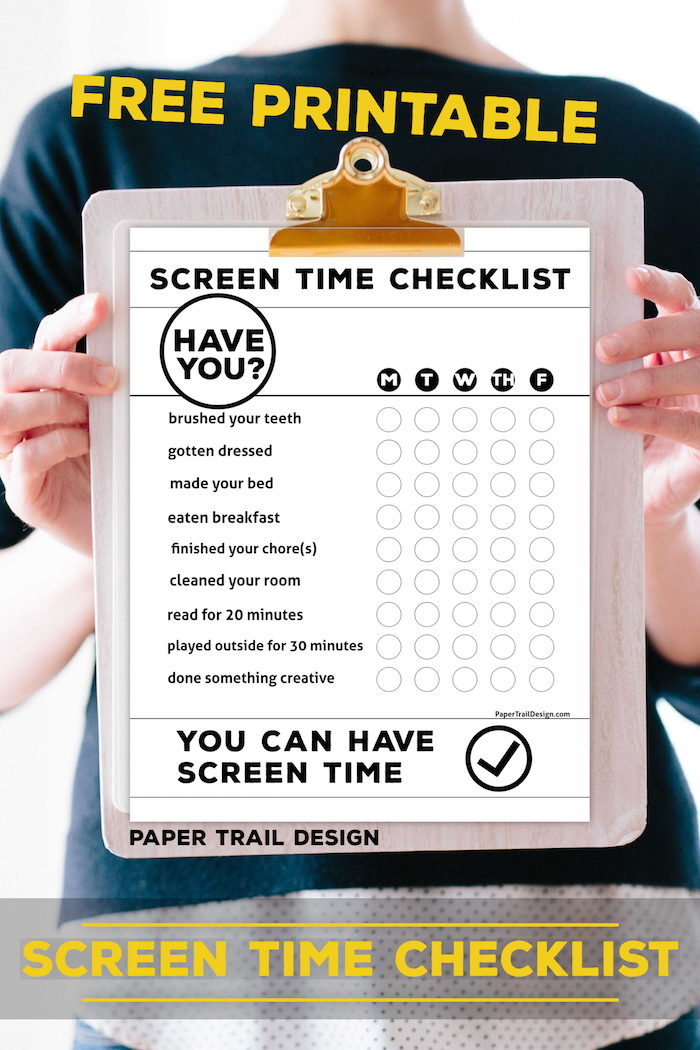
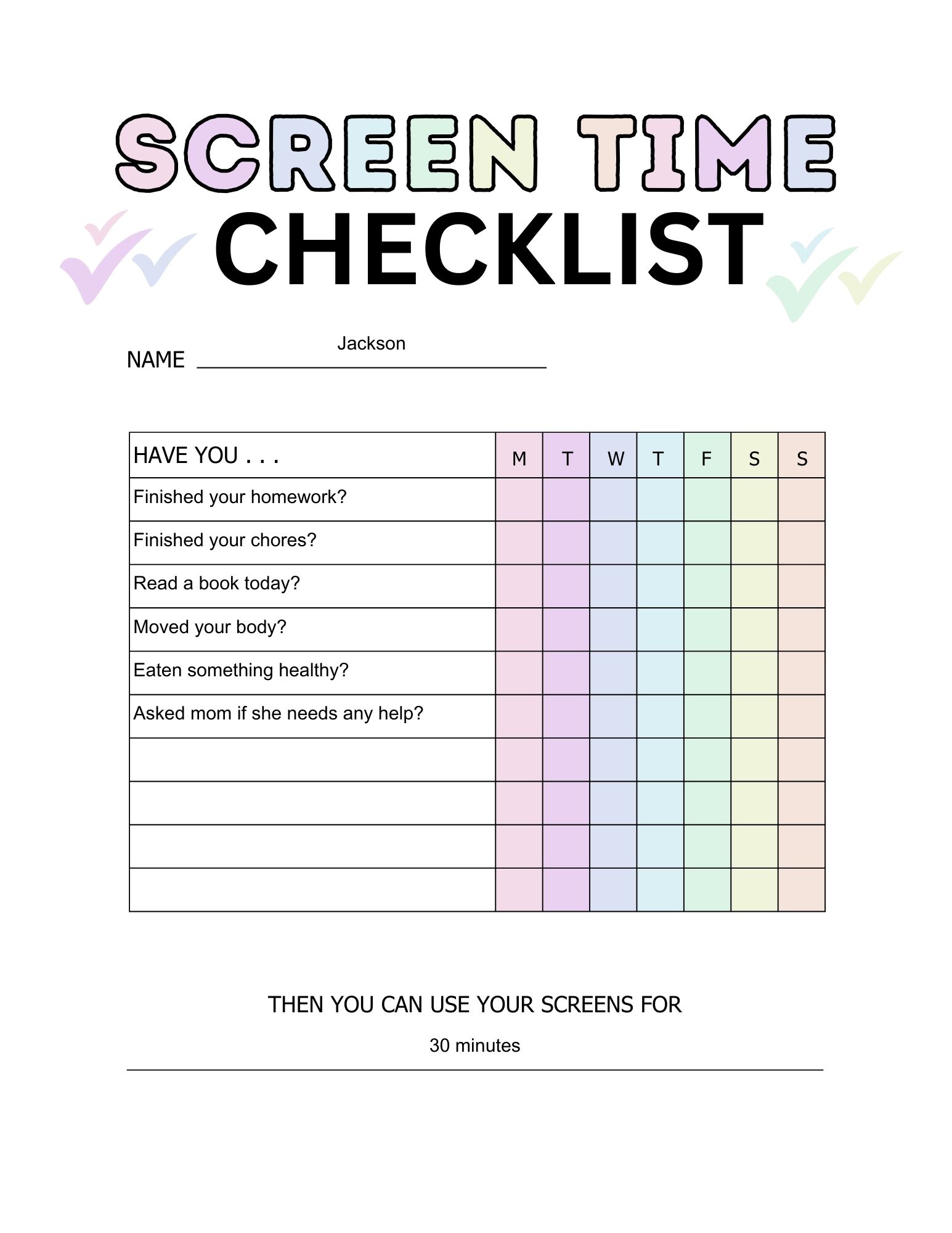
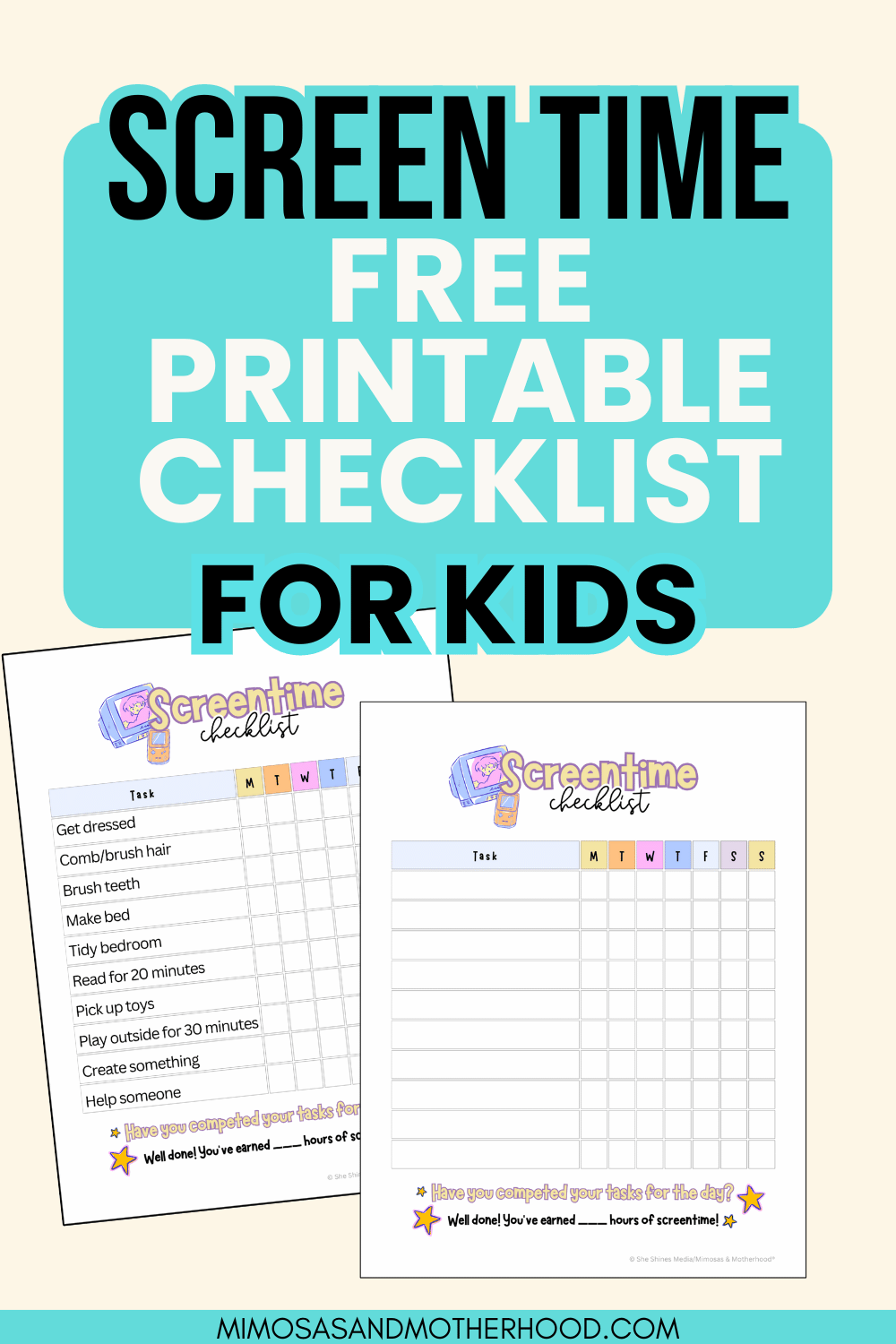
The “Screen Time Balance Checklist for Kids” offers versatility for both classroom and home environments. Its format typically includes simple checkboxes, reflective questions, and opportunities for children to list their favorite activities, both online and offline. The difficulty level is designed to be approachable, with instructions that scaffold learning progressively through clear, concise language and visual aids. For educators, the worksheet can serve as an engaging introduction to a lesson on digital wellness, a reflective activity after a discussion, or a homework assignment to involve families. At home, parents can use it as a starting point for conversations about daily routines and healthy habits, guiding children through each section. The worksheet encourages children to actively participate in planning their day, fostering a sense of ownership over their screen time choices. It functions effectively as a standalone activity, yet its greatest impact is realized when integrated into a broader digital safety curriculum or family discussion.
Practical Tips for Parents and Teachers
- Prepare the Environment: Ensure a calm, focused setting with all necessary materials (printed worksheet, pencils, crayons). Consider printing extra copies for practice or for family participation.
- Facilitate Discussion, Not Just Completion: Guide children through each item on the checklist. Encourage them to explain their choices and thoughts rather than simply ticking boxes.
- Prompt Reflective Thinking: After completion, ask open-ended questions such as, “What did you learn about your screen time habits?” or “What changes might make your day feel more balanced?”
- Extend Learning with Real-World Application: Help children implement their checklist findings. This could involve creating a family screen time plan, trying a new offline activity together, or setting specific goals for the week.
- Celebrate Progress and Effort: Acknowledge children’s efforts in completing the checklist and their commitment to exploring healthier habits. Focus on positive reinforcement for self-awareness and responsible choices.
Age-Appropriate Recommendations
Adapting the “Screen Time Balance Checklist for Kids” to different age groups ensures maximum impact and engagement. For Elementary Ages (5-10 years), the approach should be highly interactive and visual. Vocabulary support is crucial; simplify complex terms and use relatable examples. Activities should be broken into smaller, manageable steps, and pacing should be flexible to accommodate shorter attention spans. Direct parental or teacher involvement is essential, providing guidance, reading instructions aloud, and prompting discussions. The focus for this age group should be on basic awareness, identifying different activities, and understanding simple time boundaries. For Middle School Ages (11-14 years), the worksheet can be used with more independence, encouraging self-reflection and critical thinking. Vocabulary can be slightly more advanced, and discussions can delve deeper into the impact of screen time on social interactions, sleep, and academic performance. The worksheet can serve as a personal assessment tool, leading to the creation of individualized screen time goals. Teacher or parent involvement shifts to facilitation and mentorship, encouraging self-advocacy and problem-solving. While the core checklist remains consistent, the depth of conversation and expectation for independent application naturally evolves with the learner’s developmental stage, making the resource valuable across a broad educational spectrum.
Frequently Asked Questions
Q: How can one access and download the free printable “Screen Time Balance Checklist for Kids”? A: The “Screen Time Balance Checklist for Kids” is available for free download directly from the SafeWiredSchools.org website. Navigate to the “Worksheets” section, locate the resource, and click the download button to save or print. The process is designed to be straightforward for immediate use.
Q: What age range is most suitable for using this screen time checklist? A: This checklist is primarily designed for Elementary (grades 1-5) and Middle School (grades 6-8) students, typically ages 5-14. Its principles are adaptable, allowing younger children to use it with guidance and older learners to engage in deeper self-reflection.
Q: How does this worksheet contribute to broader digital citizenship education? A: The “Screen Time Balance Checklist for Kids” fosters responsible digital citizenship by promoting self-awareness, critical thinking about media consumption, and the development of healthy habits. It teaches children to manage their digital lives thoughtfully, a core component of being a responsible online citizen.
Explore More Free Printable Worksheets
A single worksheet, while valuable, works best as part of a consistent digital safety learning routine. The “Screen Time Balance Checklist for Kids” is one component within a comprehensive suite of resources. Educators and parents are invited to explore a full collection of free printable internet safety worksheets, activity sheets, checklists, quizzes, and more at SafeWiredSchools.org Worksheets. These resources cover every essential internet safety topic and are meticulously designed for every grade level and learning environment, ensuring continuous, age-appropriate digital safety education for all children.
Developmental Milestone & Activity Table
| Development Stage | Recommended Daily Duration | Primary Learning Objective |
|---|---|---|
| Preschool & Pre-K | 10 – 15 Minutes | Pencil grip development & basic pre-stroke lines |
| Kindergarten | 15 – 20 Minutes | Letter/number formation & spatial line awareness |
| Early Elementary (Grade 1–2) | 20 – 30 Minutes | Fluency, sentence construction & neatness |
Images References