Introduction
The “online privacy worksheet for grade 3″ serves as an invaluable educational tool, specifically designed for elementary learners within the 1st to 5th grade band, focusing precisely on the developmental stage of a third grader. This resource reinforces critical internet safety concepts through engaging, hands-on, and printable learning experiences. Printable worksheets have long been trusted by educators and parents alike as foundational instruments for building digital awareness and fostering responsible online behavior. Their tangible nature allows for focused engagement, promoting active learning and comprehension away from screens. A structured approach to digital literacy, starting at this pivotal age, establishes a strong groundwork for navigating the complexities of the online world with confidence and caution. This worksheets design reflects a deep understanding of pedagogical best practices, ensuring that essential safety messages are conveyed effectively and memorably.
💡 Educational Key Takeaways:
- Core Skill: Structured Online Privacy Worksheet For Grade 3 focused on developing pencil grip, stroke control, and early literacy/math confidence.
- Target Scope: Suited for homeschoolers, preschool, kindergarten, and elementary learners.
- Best Recommendation: Practice 10–15 minutes daily with ergonomic writing tools to reinforce muscle memory without hand fatigue.
What This Worksheet Covers
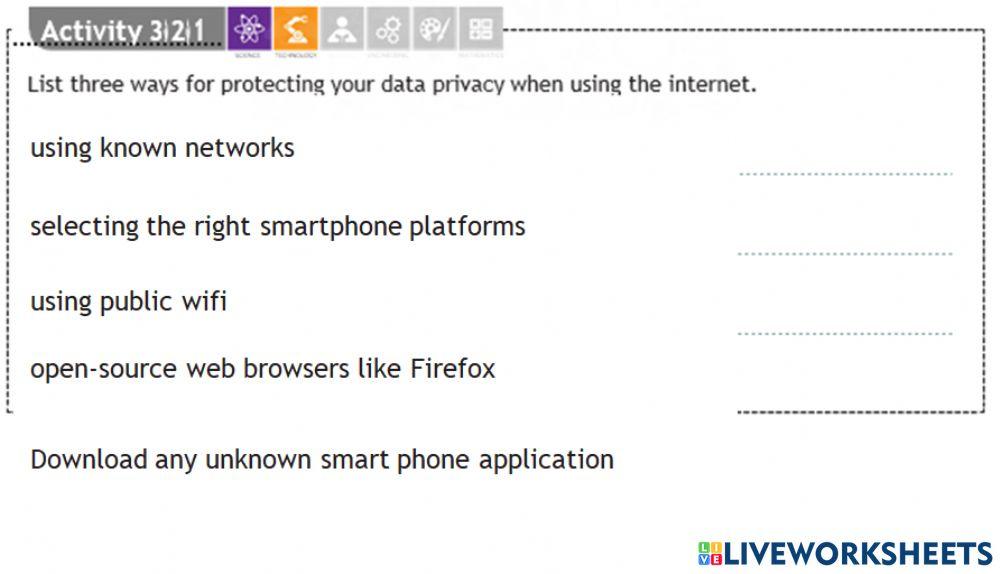
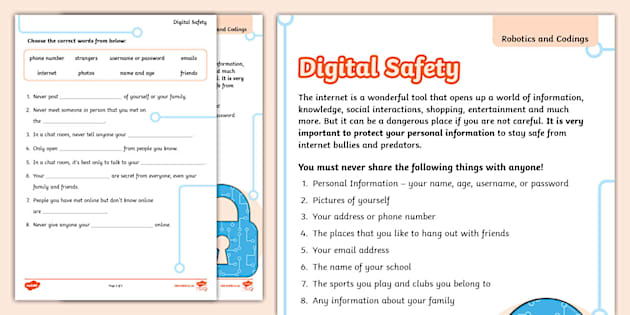
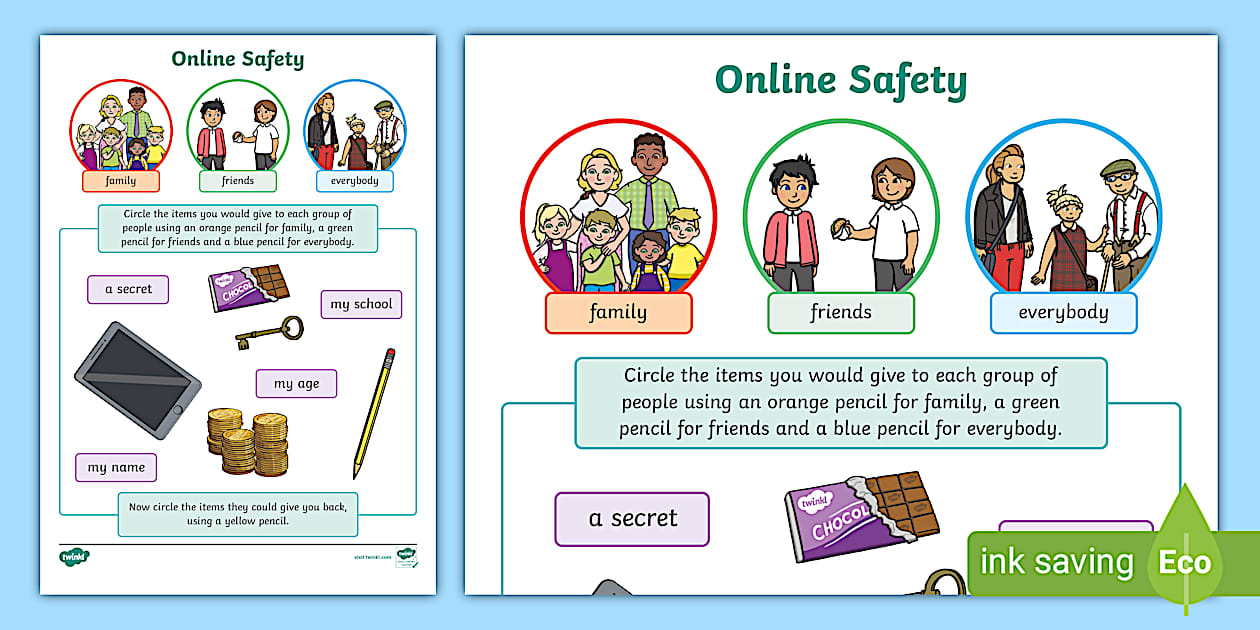
The “online privacy worksheet for grade 3″ addresses the fundamental topic of online privacy, an essential component of comprehensive internet safety education. This resource introduces concepts such as identifying personal information, understanding what data should never be shared online, and recognizing the importance of seeking permission from a trusted adult before sharing any information or engaging with new online platforms. It delves into scenarios where children might encounter requests for personal details, teaching them how to respond safely and responsibly. The worksheet’s content directly aligns with recognized digital citizenship and child safety education standards, which emphasize the protection of personal identity and the cultivation of discerning online conduct. Through age-appropriate exercises, learners gain practical knowledge about safeguarding their digital footprint, understanding the distinction between public and private information in an online context.
Key Learning Outcomes
By completing the “online privacy worksheet for grade 3,” learners will develop several crucial skills and knowledge areas:. Browse more guides on Safe Wired Schools.
- Identifying Personal Information: Children will learn to recognize various types of personal information, such as full names, addresses, phone numbers, and school names, distinguishing them from non-personal details.
- Understanding Sharing Risks: An awareness will develop regarding the potential dangers of sharing private information online, fostering a cautious approach to digital interactions.
- Seeking Adult Permission: The importance of consulting a trusted adult before providing any personal details or interacting with unknown online entities will be firmly established.
- Practicing Safe Communication: Learners will acquire basic habits for safe online communication, including understanding when and how to report uncomfortable situations to a trusted adult.
- Developing Critical Thinking: The worksheet encourages young minds to think critically about online requests and content, enabling them to make safer choices independently.
How to Use This Worksheet
The “online privacy worksheet for grade 3” can be effectively integrated into both classroom curricula and home learning environments. The worksheet incorporates a variety of activity types tailored for third graders, including fill-in-the-blank questions, matching exercises, simple true or false statements, and short scenario-based prompts that encourage critical thinking and decision-making. Instructions are clear and scaffolded, progressively guiding learners through concepts from identification to application. Its difficulty level is perfectly pitched for this age group, ensuring engagement without overwhelming complexity. This resource functions excellently as a standalone activity to reinforce a specific privacy lesson, as an integral part of a broader internet safety lesson plan, or as a meaningful homework assignment that encourages family discussion around online safety practices. Its printable format facilitates focused, screen-free learning, allowing for deeper concentration on the subject matter.
Practical Tips for Parents and Teachers
- Review and Prepare: Before presenting the worksheet, review its content to anticipate potential questions and gather any necessary materials, such as crayons or pencils. This preparation ensures a smooth and productive learning experience.
- Facilitate Discussion: Encourage open dialogue throughout the activity. Ask learners to explain their answers and thought processes, prompting deeper understanding rather than simply seeking correct responses.
- Reinforce with Examples: Connect the worksheet concepts to real-world online interactions relevant to a child’s experience, making the abstract idea of online privacy more concrete and relatable.
- Extend the Learning: After completion, consider extending the lesson with role-playing scenarios about encountering privacy requests online or collaboratively creating a family or classroom “safe sharing” rule list.
- Integrate Routinely: Incorporate discussions about online privacy into regular conversations about screen time or online activities, making it a continuous learning process rather than a one-time event.
Age-Appropriate Recommendations
For the primary target group of Ages 8-9 (Grade 3), the “online privacy worksheet for grade 3” is ideally suited for direct instruction and guided practice. At this stage, children benefit from clear, explicit explanations of terms like “personal information” and “privacy.” Vocabulary support should be provided for any unfamiliar words, and concepts should be broken down into manageable segments. Activity pacing should be moderate, allowing ample time for reflection and discussion after each section. A high level of parental or teacher involvement is recommended, facilitating understanding, correcting misconceptions, and encouraging active participation. Discussions should focus on practical application, such as deciding what information is safe to share with online friends versus what should remain private. For Ages 6-7 (Grades 1-2), the worksheet can be used with greater adult supervision and simplification. Focus on the core message of “don’t share secrets” and “ask an adult.” For Ages 10-12 (Grades 4-6), the worksheet can serve as a foundational review, prompting more nuanced discussions about digital footprints, online reputation, and the broader implications of data sharing on various platforms. The level of adult guidance can shift from direct instruction to facilitating independent critical analysis.
Frequently Asked Questions
Q: What age group is this “online privacy worksheet for grade 3” most suitable for? A: This worksheet is specifically designed for children in Grade 3, typically ages 8-9, though its foundational concepts are beneficial for learners in grades 1-5 with appropriate adult guidance.
Q: How can educators and parents access this free printable worksheet? A: The “online privacy worksheet for grade 3” is a complimentary resource available for immediate download and printing directly from the SafeWiredSchools.org website. Simply navigate to the worksheets section to find it.
Q: What makes this particular worksheet effective for teaching online privacy to young children? A: Its effectiveness stems from its interactive and age-appropriate activities, clear language, and focus on practical scenarios. These elements help young learners grasp abstract privacy concepts through engaging, hands-on practice, reinforcing safe online habits.
Explore More Free Printable Worksheets
The “online privacy worksheet for grade 3” provides an excellent starting point for digital safety education, yet a single resource works best as part of a comprehensive and consistent learning routine. Safeguarding children online requires ongoing education and reinforcement across various topics. Educators and parents are encouraged to explore a full collection of free printable internet safety worksheets, activity sheets, checklists, quizzes, and more at SafeWiredSchools.org Worksheets. This extensive library covers every essential internet safety topic, including cyberbullying, screen time management, identifying misinformation, and responsible gaming, all designed for every grade level and diverse learning environments. Empowering children with knowledge and skills through accessible resources is a shared commitment.
Developmental Milestone & Activity Table
| Development Stage | Recommended Daily Duration | Primary Learning Objective |
|---|---|---|
| Preschool & Pre-K | 10 – 15 Minutes | Pencil grip development & basic pre-stroke lines |
| Kindergarten | 15 – 20 Minutes | Letter/number formation & spatial line awareness |
| Early Elementary (Grade 1–2) | 20 – 30 Minutes | Fluency, sentence construction & neatness |
Images References