Introduction
The “screen time habits checklist printable free” resource stands as a vital educational tool, primarily designed for Elementary grades 1-5 and Middle School grades 6-8, with adaptable applications extending to High School students (ages 518). This practical checklist reinforces essential internet safety concepts by engaging learners in a hands-on, tangible manner. Printable learning resources are highly trusted by educators and parents alike due to their proven ability to foster critical thinking and direct engagement away from screens. They provide a foundational method for building digital awareness and cultivating responsible online behavior. This particular checklist offers a structured approach to understanding and managing digital interactions, ensuring that valuable screen time lessons translate into actionable habits. Its format encourages reflection and personal accountability, making complex digital wellness principles accessible and impactful for diverse learning environments. Explore more in our Worksheets category.
💡 Educational Key Takeaways:
- Core Skill: Structured Screen Time Habits Checklist Printable Free focused on developing pencil grip, stroke control, and early literacy/math confidence.
- Target Scope: Suited for homeschoolers, preschool, kindergarten, and elementary learners.
- Best Recommendation: Practice 10–15 minutes daily with ergonomic writing tools to reinforce muscle memory without hand fatigue.
What This Worksheet Covers
This “screen time habits checklist printable free” directly addresses the crucial topic of responsible screen time management and comprehensive digital wellness. It guides individuals through an assessment of their current digital engagement patterns, highlighting various aspects of daily screen use. The worksheet clarifies what constitutes healthy versus potentially unhealthy screen habits, encouraging a balanced approach to online and offline activities. Concepts such as setting personal boundaries, recognizing signs of digital fatigue, and practicing mindful engagement are explored through reflective prompts. The content of this checklist aligns seamlessly with recognized digital citizenship and child safety education standards, particularly those pertaining to self-regulation, media literacy, and personal well-being in the digital age. It empowers learners to take ownership of their digital routines, fostering a proactive stance towards maintaining a healthy relationship with technology.
Key Learning Outcomes
By completing the “screen time habits checklist printable free,” learners will develop several critical skills and knowledge areas:. Browse more guides on Safe Wired Schools.
- Enhanced Self-Awareness: Individuals will gain a clearer understanding of their own screen usage patterns and the amount of time spent on various digital activities.
- Identification of Habits: The ability to distinguish between beneficial and detrimental screen time habits will be strengthened, leading to more informed choices.
- Understanding Balance: Learners will grasp the importance of a balanced approach to digital engagement, integrating online activities harmoniously with real-world interactions.
- Tools for Self-Regulation: Practical strategies for managing and moderating screen time will be acquired, fostering greater personal control over digital devices.
- Proactive Communication: The checklist facilitates open discussions about screen habits, encouraging proactive communication with parents, teachers, and peers regarding digital well-being.
How to Use This Worksheet
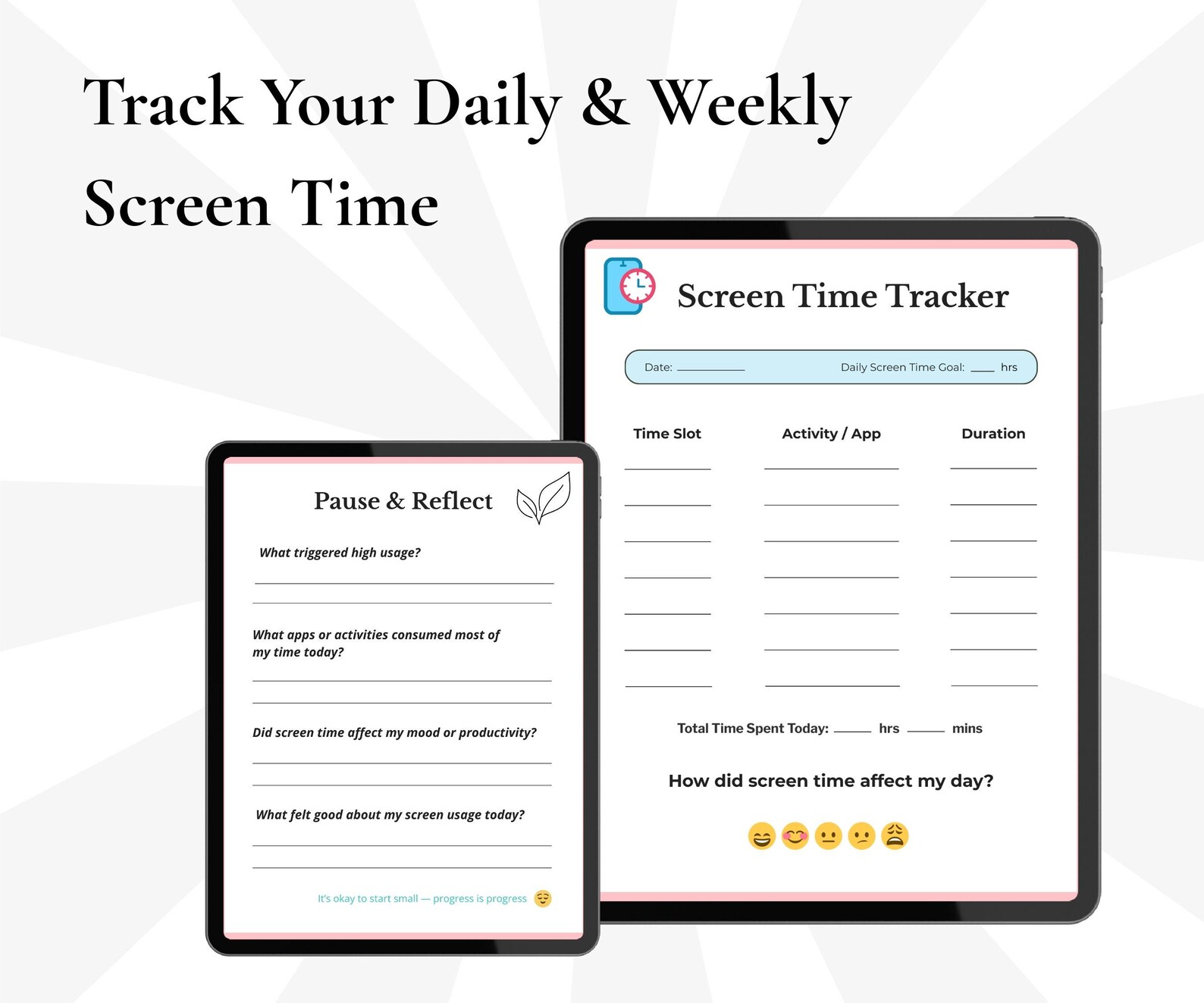
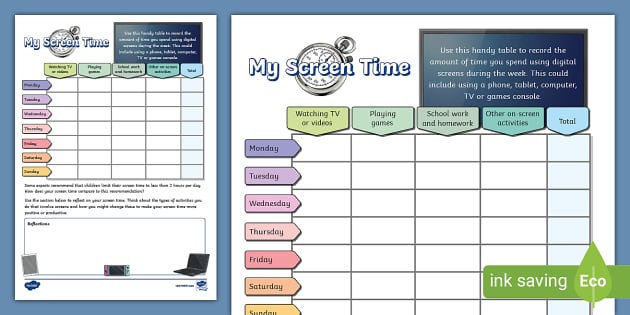
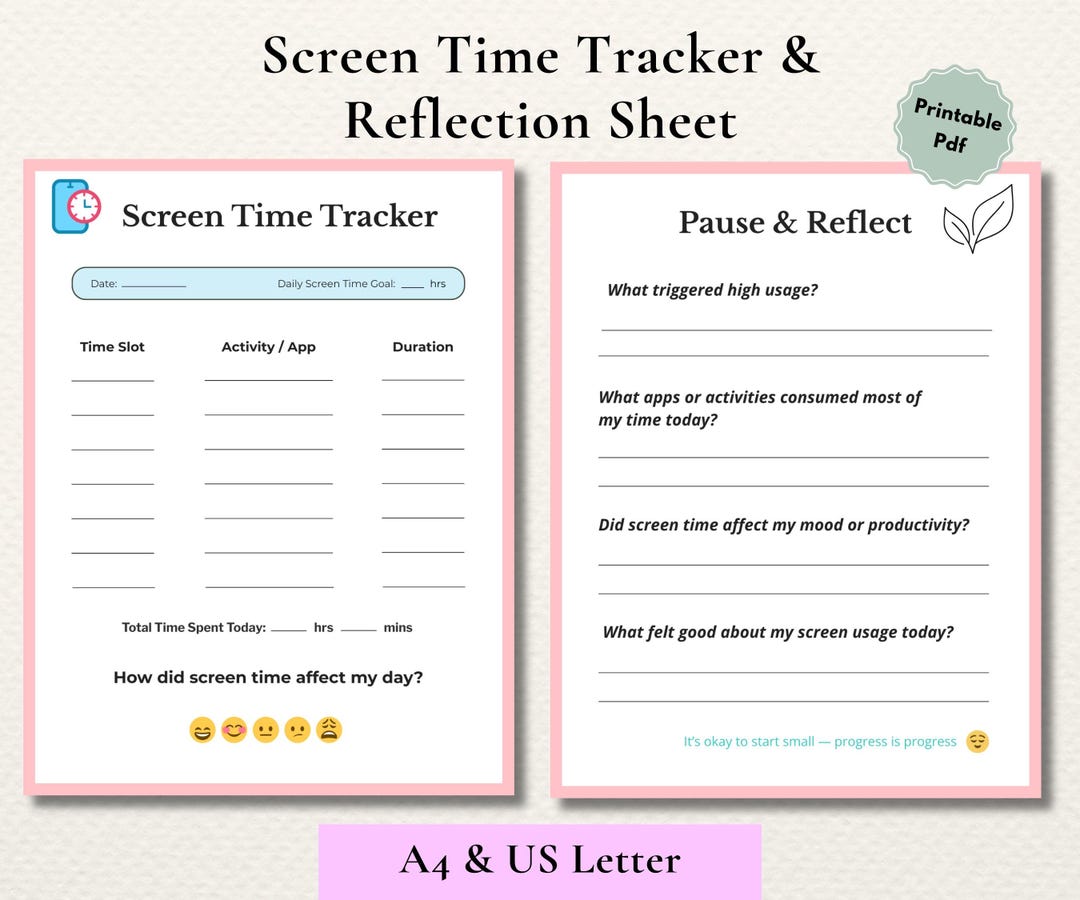
The “screen time habits checklist printable free” offers versatile application for both educators and parents. Its format is primarily a self-assessment checklist, incorporating reflection prompts and opportunities for goal setting. The activity encourages individuals to review their daily and weekly screen time, categorizing activities and noting their impact. Instructions are clear and designed to scaffold learning progressively, beginning with simple identification and moving towards deeper self-analysis and actionable planning. This resource functions effectively as a standalone activity, providing a focused reflection point. It can also be seamlessly integrated into broader lesson plans on digital citizenship or media literacy, serving as a valuable discussion starter. Furthermore, assigning the checklist as homework promotes independent thought and encourages family conversations about digital habits, extending the learning beyond the classroom or initial completion.
Practical Tips for Parents and Teachers
- Review and Discuss Beforehand: Before distributing the checklist, review its sections and discuss the purpose of assessing screen time. This establishes a positive, non-judgmental tone, emphasizing well-being over strict rule enforcement.
- Facilitate Collaborative Completion: Encourage learners to complete the checklist collaboratively in a classroom setting, allowing for peer learning and shared experiences, or as a guided activity at home. Offer support for reading or understanding specific prompts, especially for younger learners.
- Post-Completion Dialogue: After the checklist is completed, initiate a structured discussion. Ask open-ended questions such as, “What was surprising about your screen time habits?” or “What changes might improve your digital well-being?” This helps process insights and reinforces learning.
- Set Achievable Goals: Utilize the checklist as a springboard for setting realistic and measurable screen time goals. Work together to identify one or two areas for improvement, such as dedicating specific times for screen-free activities or reducing passive scrolling.
- Extend Learning Through Action: Beyond the worksheet, encourage practical application. Consider creating a family media plan or a classroom digital wellness charter. Regularly revisit the checklist or established goals to track progress and celebrate small victories in managing screen time effectively.
Age-Appropriate Recommendations
The application of the “screen time habits checklist printable free” can be tailored to suit various developmental stages, ensuring maximum impact for learners across the 518 age range.
For Ages 58 (Early Elementary), the focus should remain on basic recognition and adult-led guidance. A parent or teacher should read each item aloud, helping the child identify their habits with simple ‘yes’ or ‘no’ responses or basic categorizations. Vocabulary support is crucial, explaining terms in child-friendly language. The activity pacing should be short and broken into manageable segments to maintain engagement. The primary goal at this stage is to introduce the concept of screen awareness rather than deep self-analysis, with heavy parental or teacher involvement facilitating understanding and initial reflection.
In Ages 913 (Late Elementary to Middle School), learners are ready for more independent self-reflection and goal setting. They can typically complete the checklist with minimal supervision, though an adult should be available for questions and guidance. Discussion around the findings becomes more sophisticated, exploring the reasons behind certain habits and the potential consequences of imbalanced screen use. This age group benefits from opportunities to identify personal preferences and begin formulating their own strategies for healthy digital boundaries. Encouraging thoughtful responses and personal accountability is key.
For Ages 1418 (High School), the checklist serves as a foundation for deeper self-analysis and critical thinking about digital well-being in a broader context. Discussions can delve into the psychological and social impacts of screen time, including peer influence, academic performance, and future implications. This demographic is capable of nuanced reflection on how digital habits affect their overall lifestyle and mental health. The role of the adult shifts to a facilitator of critical discussion, encouraging the development of self-advocacy skills and long-term habit formation for sustained digital wellness.
Frequently Asked Questions
Q: What age group is the “screen time habits checklist printable free” best suited for?
A: This checklist is highly adaptable and beneficial for learners across a wide age range, primarily from Elementary grades 1-5 through Middle School grades 6-8. With appropriate guidance, it can also be effectively used with younger children (ages 5-8) and adapted for older High School students (ages 14-18) for deeper reflection.
Q: How can this checklist be integrated into a broader digital safety curriculum?
A: The checklist serves as an excellent starting point for units on digital citizenship, media literacy, or personal well-being. It can be used as an introductory activity to gauge current habits, a mid-unit reflection tool, or a homework assignment to spark family discussions. Its insights can inform subsequent lessons on specific digital safety topics.
Q: Where can the “screen time habits checklist printable free” be accessed?
A: This valuable educational resource is available for free download directly from SafeWiredSchools.org. Visit the website and navigate to the printable resources section to locate and print the checklist for immediate use in homes or classrooms.
Explore More Free Printable Worksheets
A single worksheet, while valuable, works best as part of a consistent and comprehensive digital safety learning routine. SafeWiredSchools.org believes in providing accessible, high-quality educational materials to empower communities with digital literacy. Educators and parents are invited to explore a full collection of free printable internet safety worksheets, activity sheets, checklists, quizzes, and more at SafeWiredSchools.org Worksheets. These resources cover every essential internet safety topic and are meticulously designed for every grade level and learning environment, ensuring a continuous and engaging educational journey in digital responsibility.
Developmental Milestone & Activity Table
| Development Stage | Recommended Daily Duration | Primary Learning Objective |
|---|---|---|
| Preschool & Pre-K | 10 – 15 Minutes | Pencil grip development & basic pre-stroke lines |
| Kindergarten | 15 – 20 Minutes | Letter/number formation & spatial line awareness |
| Early Elementary (Grade 1–2) | 20 – 30 Minutes | Fluency, sentence construction & neatness |
Images References