Introduction
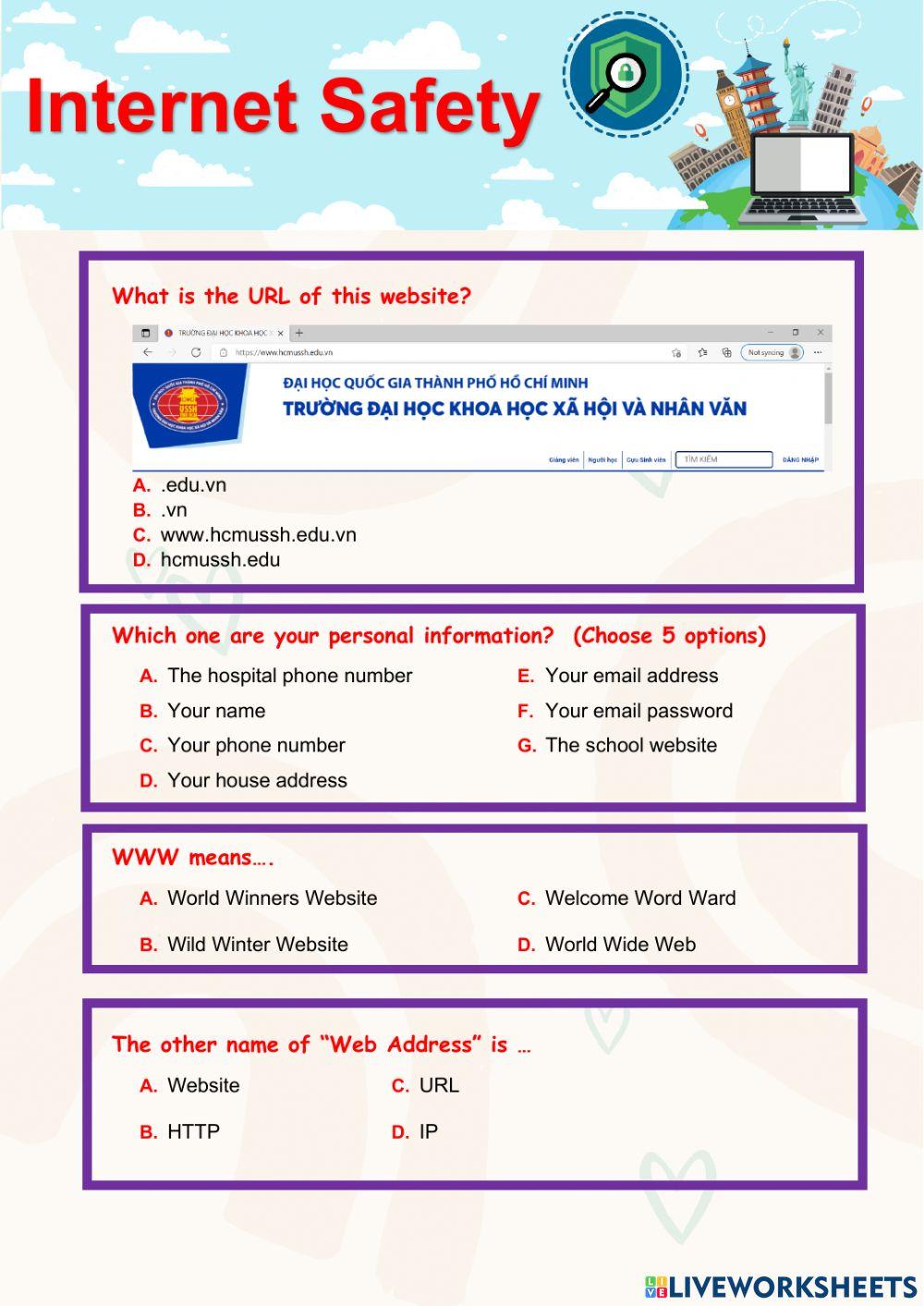
Internet safety basics for teachers addresses the foundational knowledge required across all educational levels, from elementary grades through middle and high school. This crucial topic builds essential digital awareness, fosters responsible online behavior, and ensures personal safety for students in an interconnected world. Prioritizing internet safety education stands as a trusted commitment for educators, parents, and schools dedicated to nurturing well-rounded digital citizens. Explore more in our Internet and Digital Safety category.
💡 Educational Key Takeaways:
- Core Skill: Structured Internet Safety Basics For Teachers focused on developing pencil grip, stroke control, and early literacy/math confidence.
- Target Scope: Suited for homeschoolers, preschool, kindergarten, and elementary learners.
- Best Recommendation: Practice 10–15 minutes daily with ergonomic writing tools to reinforce muscle memory without hand fatigue.
Why This Topic Matters
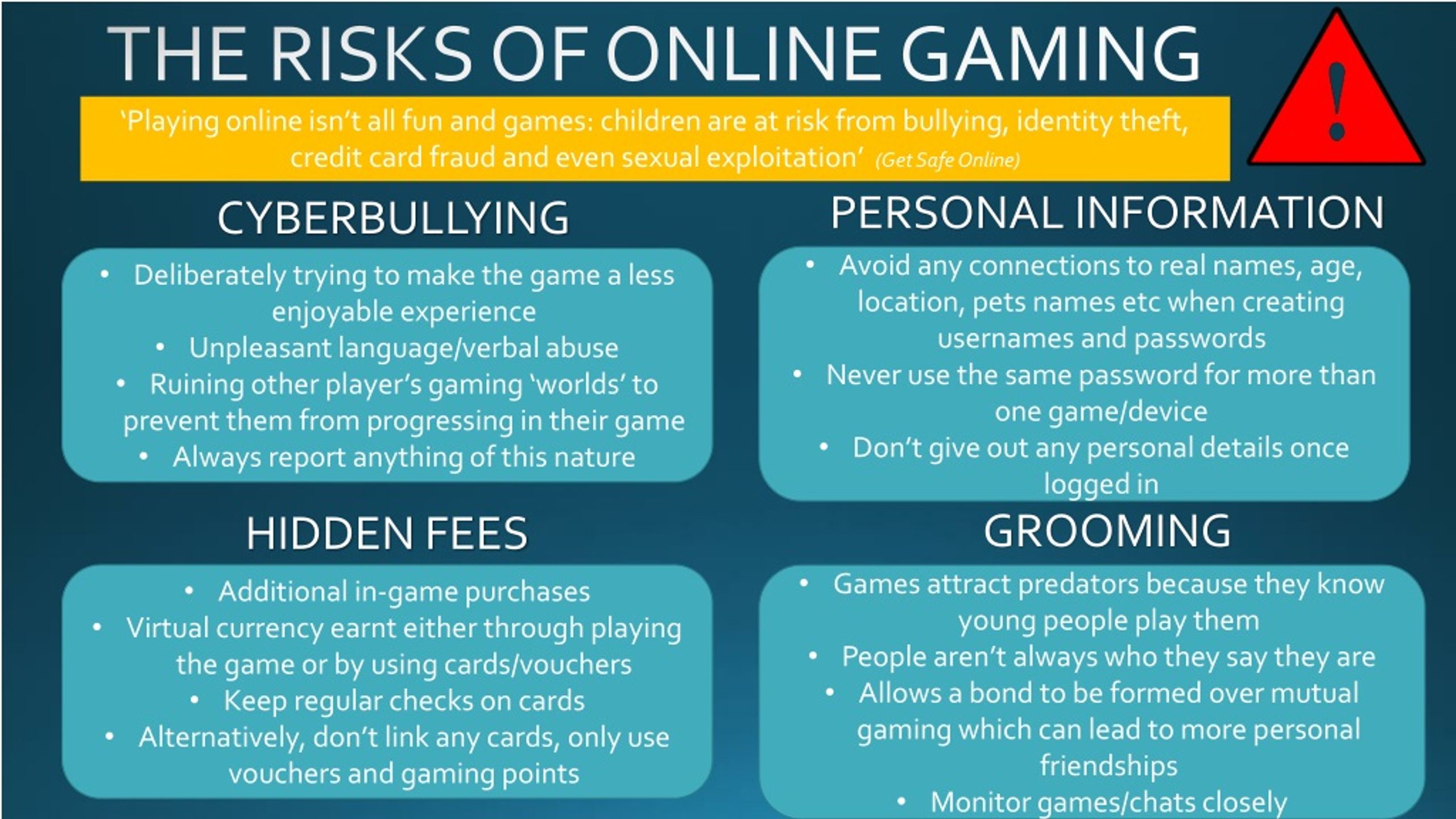
Empowering students with robust internet safety knowledge yields measurable learning benefits, including enhanced critical thinking skills when evaluating online content and a heightened ability to recognize potential digital dangers. Students develop safe digital habits and cultivate responsible internet use, aligning directly with recognized digital citizenship frameworks and key child development milestones. A proactive approach to digital literacy equips young people for lifelong success in a technology-driven society. Related guide: Teachers Of Grades 9–12 Should Expand Internet Safety Instruction To Include Which Of The Following Topics?.
Key Concepts and Teaching Strategies
Core concepts central to “internet safety basics for teachers” encompass fundamental online rules, practical safety tips, clear identification of warning signs, and the navigation of real-life digital scenarios. Educators and parents can effectively scaffold learning progressively, tailoring strategies to each student’s developmental stage. Practical classroom activities, such as interactive discussions about online privacy and digital footprints, prove highly effective. Home-based approaches, including establishing family media agreements and open communication about online experiences, reinforce these vital lessons. Browse more guides on Safe Wired Schools.
Explore More Resources
Integrating internet safety into a consistent digital learning routine ensures continuous skill development and adaptation to evolving online environments. Educators and parents are encouraged to explore additional internet safety resources, comprehensive guides, and printable materials available at safewiredschools.org. These tools support ongoing education and strengthen the collective effort to keep young people safe online.
Developmental Milestone & Activity Table
| Development Stage | Recommended Daily Duration | Primary Learning Objective |
|---|---|---|
| Preschool & Pre-K | 10 – 15 Minutes | Pencil grip development & basic pre-stroke lines |
| Kindergarten | 15 – 20 Minutes | Letter/number formation & spatial line awareness |
| Early Elementary (Grade 1–2) | 20 – 30 Minutes | Fluency, sentence construction & neatness |