Introduction
Young children interact with digital environments long before they master reading or writing. Shared family tablets, video platforms, and in-game chat features introduce five-year-olds to virtual spaces where personal boundaries matter just as much as they do on the physical playground. Guiding this early exploration requires foundational habits rather than fear-based lectures. Educators and caregivers need accessible tools to introduce digital citizenship during the formative kindergarten years. The free printable share or beware personal identifiable information worksheet for kindergarten provides a structured, stress-free entry point for teaching children what details belong strictly to the private sphere.
💡 Educational Key Takeaways:
- Core Skill: Structured Share Or Beware Personal Identifiable Information Worksheet For Kindergarten focused on developing pencil grip, stroke control, and early literacy/math confidence.
- Target Scope: Suited for homeschoolers, preschool, kindergarten, and elementary learners.
- Best Recommendation: Practice 10–15 minutes daily with ergonomic writing tools to reinforce muscle memory without hand fatigue.
What This Printable Covers
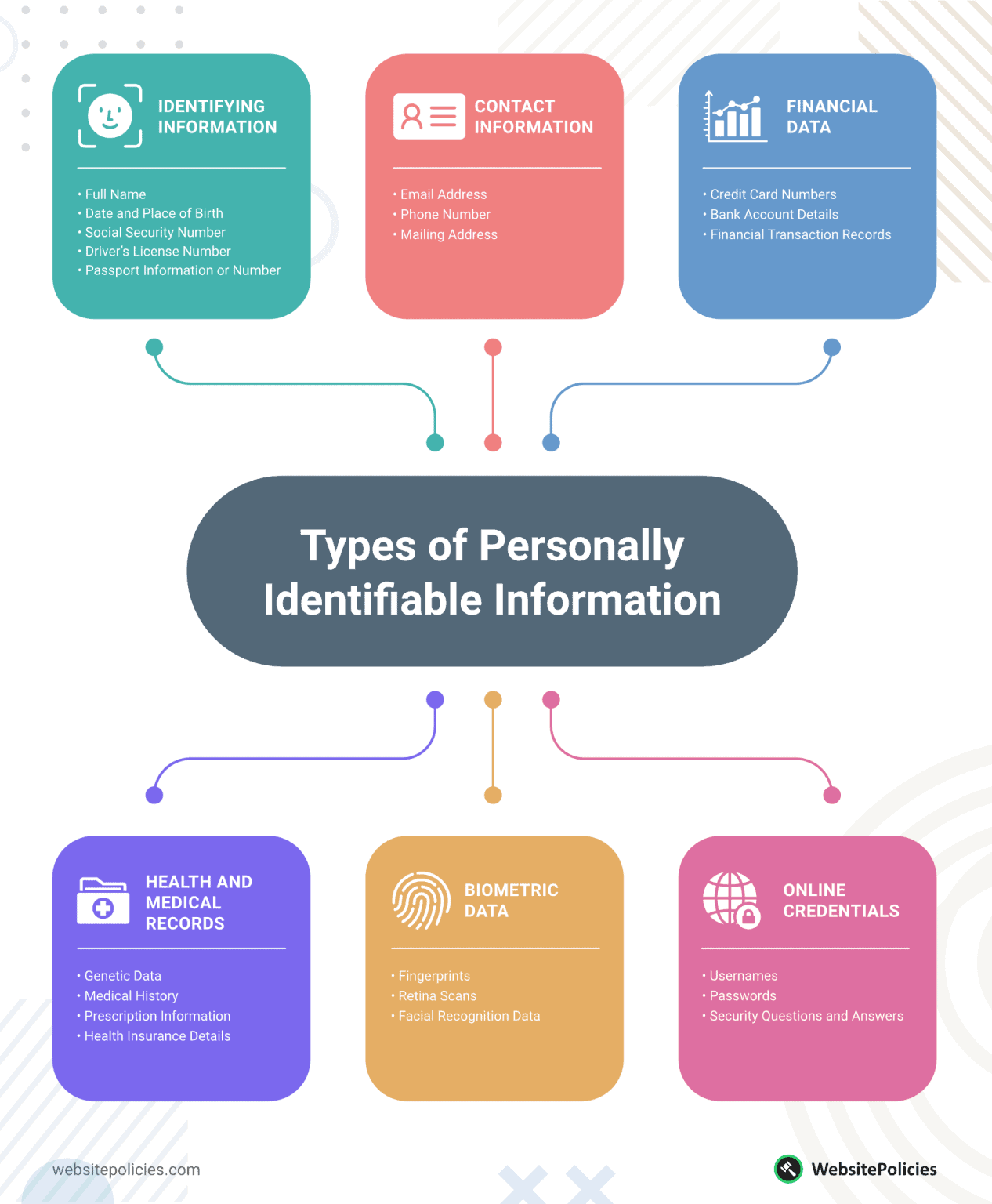
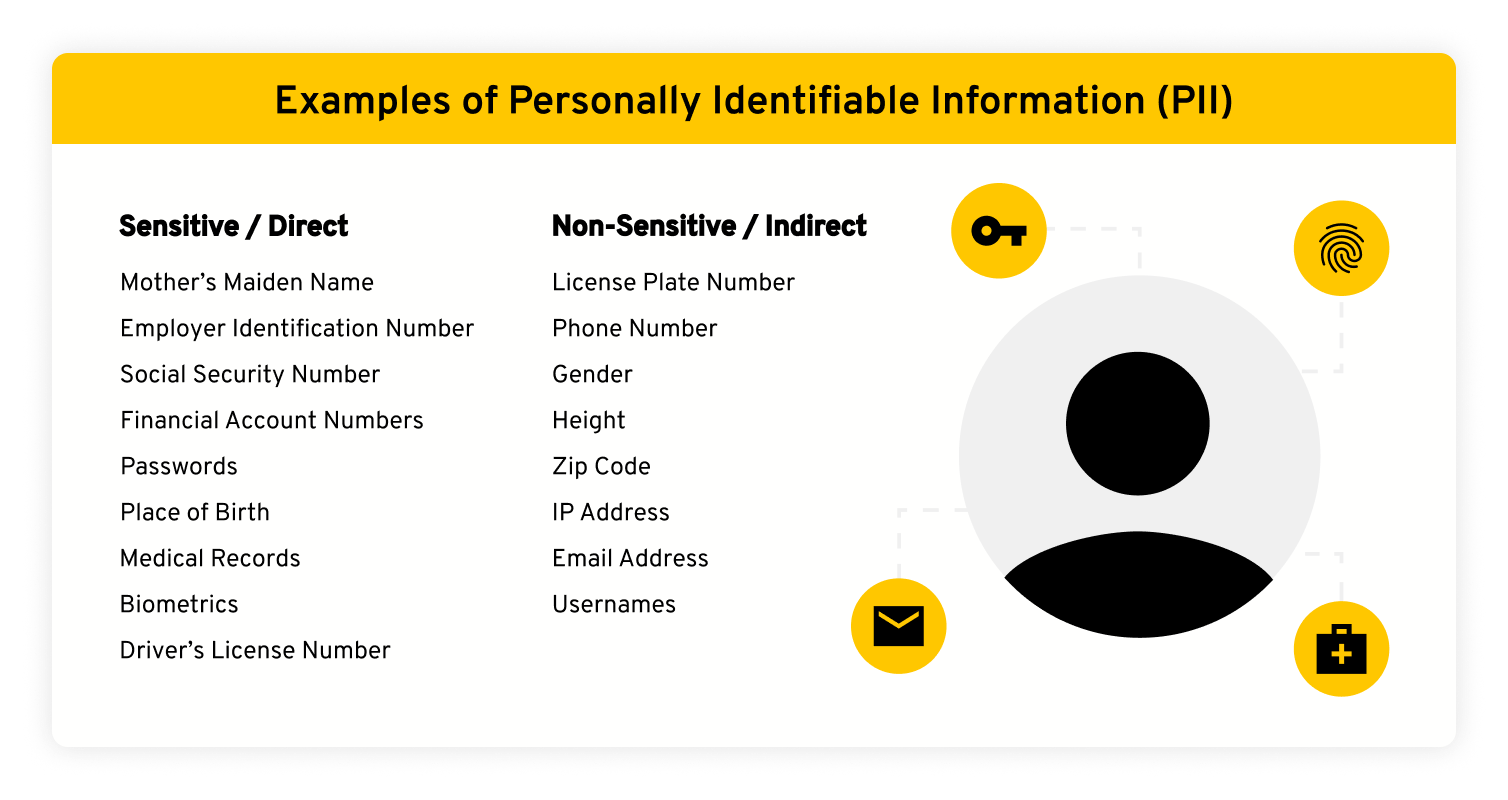
The worksheet centers on sorting everyday details into two distinct categories: safe to share and keep private. Children encounter scenarios featuring familiar concepts like full names, home addresses, favorite colors, and school names. By distinguishing between harmless preferences and sensitive data, learners build a concrete understanding of personal boundaries. It sounds simple, and that’s the point. Kindergarteners grasp abstract concepts best through categorization and visual sorting tasks. This printable translates digital privacy into tangible choices that five-year-olds manage easily. For more related activities, check out our Worksheet For Personal Info Fir Family Use.
Key Learning Outcomes
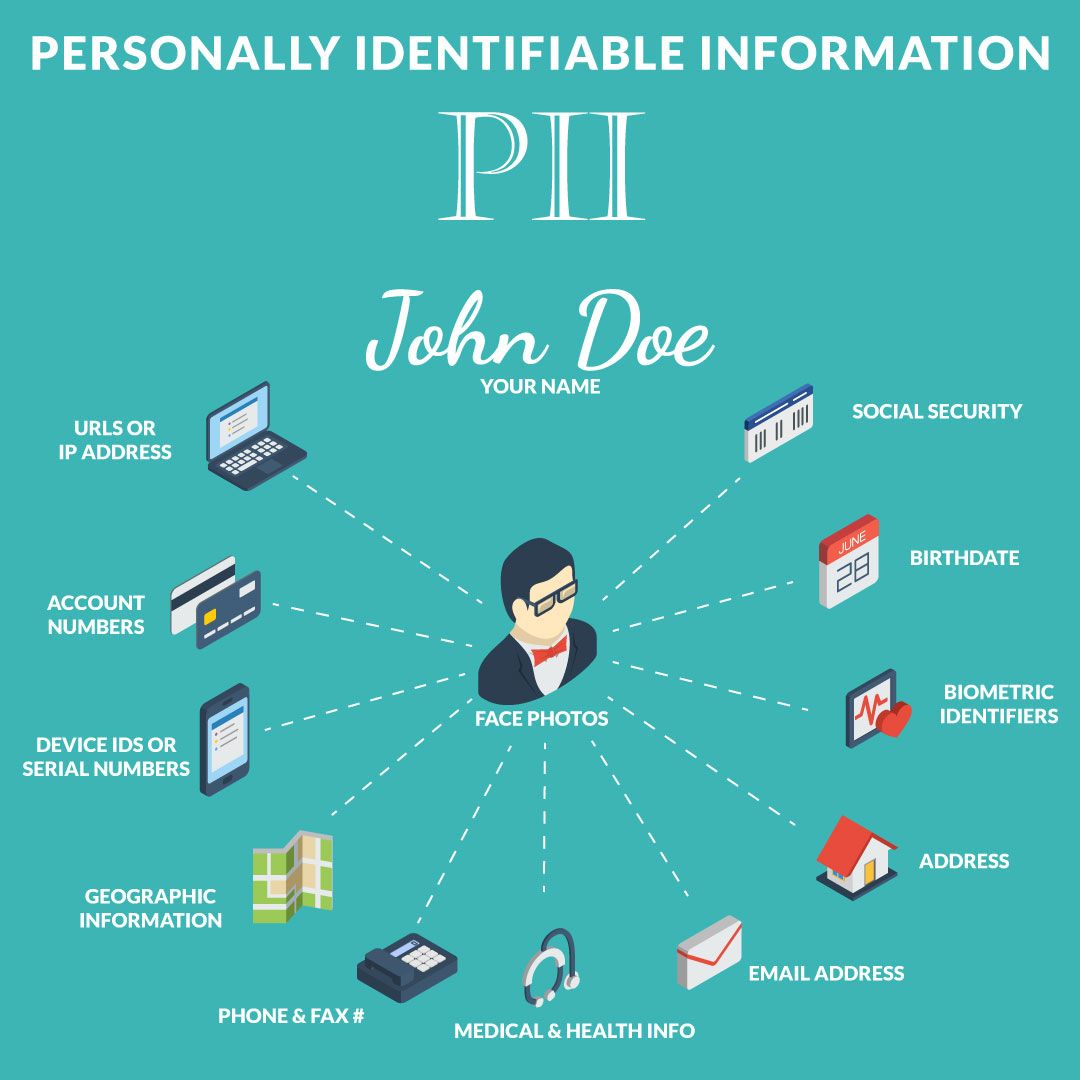
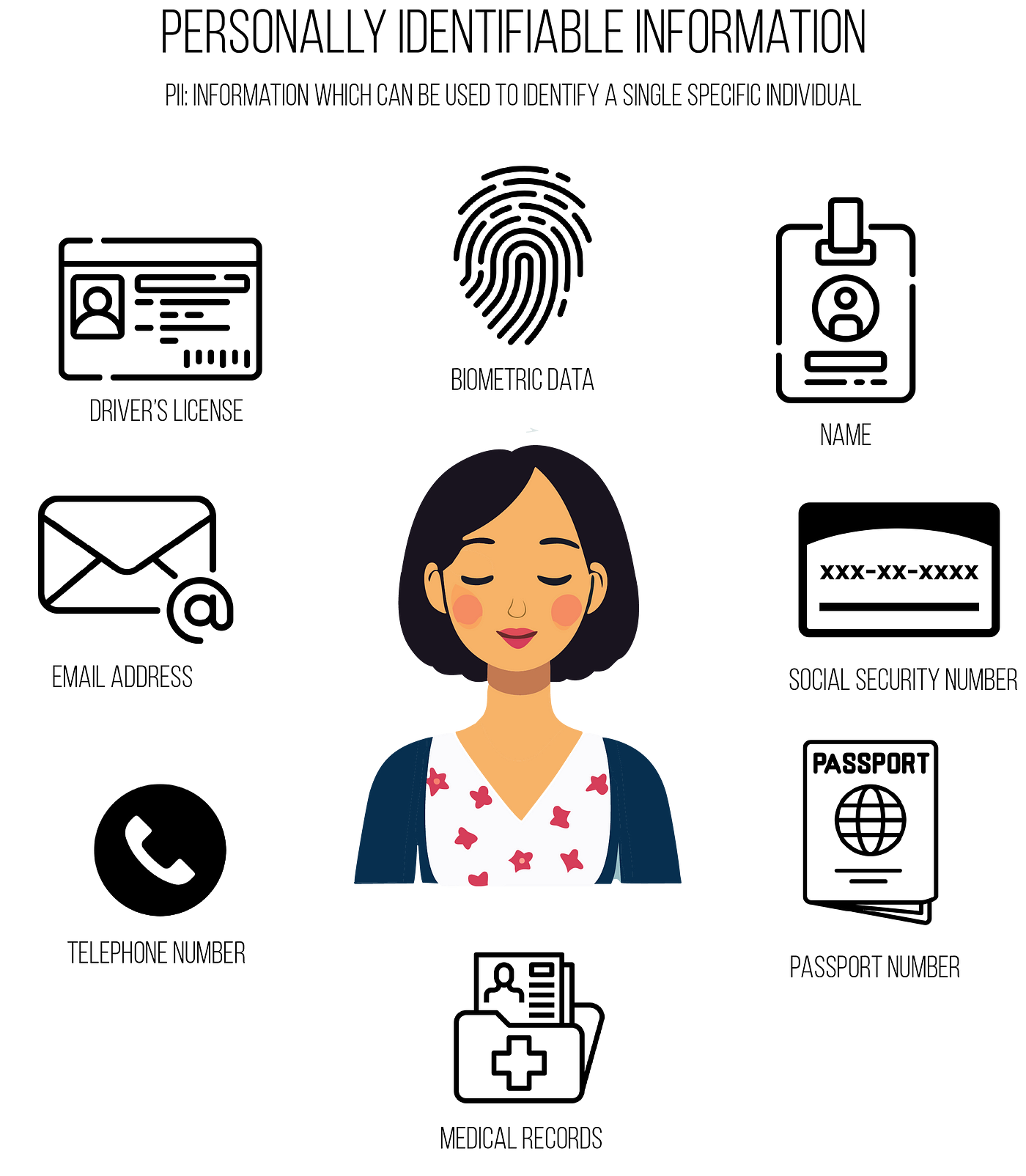
Working through the activity helps students identify pieces of Personally Identifiable Information before entering text anywhere online. Children learn to recognize that a first name alone differs fundamentally from a home address or telephone number. Furthermore, the exercise reinforces the habit of pausing before giving out information to strangers, whether online or offline. Most importantly, learners discover that reporting a confusing online request to a trusted adult always brings positive reinforcement rather than trouble.
How to Use This Printable
Facilitators can introduce the worksheet during a morning meeting, a technology orientation session, or a quiet small-group station. Reading each prompt aloud ensures emerging readers comprehend the scenarios fully. Instead of grading the responses, educators use the page as a springboard for conversation. Adults can ask probing questions like why a home address stays hidden while a favorite animal remains safe to mention. Educators seeking additional resources often browse related printable classroom activities to reinforce these concepts over multiple sessions.
Practical Tips for Parents and Teachers
Establish a calm, supportive tone from the outset to ensure children view safety as a helpful superpower rather than a restrictive rule. Reassure young learners that encountering confusing pop-ups or chat messages happens to everyone, and children are never in trouble for reporting an uncomfortable interaction. Collaborative learning works wonders here. Adults can complete a similar sorting activity alongside the child, modeling how grown-ups protect their own sensitive information during daily browsing.
Age-Appropriate Recommendations
Kindergarten instruction requires short, engaging intervals that align with developmental attention spans and emotional readiness. According to Common Sense Education Digital Citizenship Curriculum frameworks, introducing digital footprints and privacy concepts at an early age lays the groundwork for safe online behavior in later elementary grades. Educators should keep explanations straightforward, avoiding technical jargon or alarming warnings about online threats. Focusing entirely on protective habits, such as keeping personal details private and telling a trusted adult, keeps the lesson empowering and positive.
Young children frequently encounter digital media and connected devices through shared household tablets and interactive gaming platforms well before entering elementary school. — Common Sense Media
Frequently Asked Questions
How do educators access and print the activity? The printable downloads instantly as a PDF file, ready for immediate classroom or home use on standard letter paper. Does this resource guarantee complete internet safety? No printable or filtering tool replaces active adult guidance, but this sheet successfully supports foundational habit-building and family conversations. According to the Federal Trade Commission, what steps help protect children online? The agency advises families to talk early and often about what information stays private and to maintain open communication channels so children feel comfortable reporting strange digital encounters.
Parents and educators play a vital role in helping children develop critical thinking skills regarding digital privacy and safe sharing habits. — Federal Trade Commission
Explore More Free Kids Online Safety Printables
Reinforcing digital citizenship requires continuous practice across various formats and subjects. Educators can pair privacy worksheets with engaging creative coloring pages to solidify safety concepts visually. Exploring broader strategies for digital wellbeing helps families stay proactive as children grow. Comprehensive guidance is also available within curated collections covering essential online safety habits for growing learners.
Developmental Milestone & Activity Table
| Development Stage | Recommended Daily Duration | Primary Learning Objective |
|---|---|---|
| Preschool & Pre-K | 10 – 15 Minutes | Pencil grip development & basic pre-stroke lines |
| Kindergarten | 15 – 20 Minutes | Letter/number formation & spatial line awareness |
| Early Elementary (Grade 1–2) | 20 – 30 Minutes | Fluency, sentence construction & neatness |
Images References