Introduction
Children encounter digital environments long before they master conventional reading skills, often navigating shared household tablets or interacting through in-game chat features on consoles. Equipping youth for this connected reality requires practical tools that build critical thinking without inducing fear. A digital safety reading comprehension activity bridges literacy development with essential online habits, transforming abstract tech rules into concrete reading practice. This educational material supports guardians and educators as they teach youngsters how to navigate virtual spaces responsibly. Building resilient digital citizens relies on consistent conversations rather than panic, establishing a foundation where children feel empowered to handle unexpected online moments.
💡 Educational Key Takeaways:
- Core Skill: Structured Digital Safety Reading Comprehension focused on developing pencil grip, stroke control, and early literacy/math confidence.
- Target Scope: Suited for homeschoolers, preschool, kindergarten, and elementary learners.
- Best Recommendation: Practice 10–15 minutes daily with ergonomic writing tools to reinforce muscle memory without hand fatigue.
What This Printable Covers
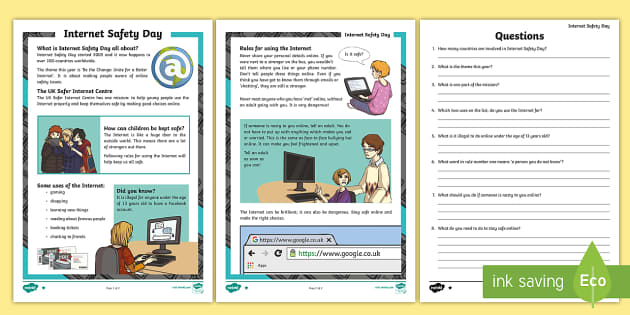
The free printable focuses on core protective habits, including keeping personal details private, creating strong passwords, and pausing before sharing content. It sounds simple, and that’s the point. Comprehension passages present relatable scenarios—such as receiving a strange message while playing a multiplayer video platform—to prompt thoughtful analysis. Learners read short, age-appropriate stories and answer targeted questions that reinforce positive decision-making. Here is what makes this resource different: it pairs reading fluency practice with digital literacy, ensuring time spent on worksheets yields double the educational benefit. Children learn to identify red flags, understand the importance of boundaries, and internalize the golden rule that personal information stays off public forums.
Key Learning Outcomes
Students practice specific skills like identifying trusted adults and distinguishing between public and private data. According to Common Sense Media, children benefit immensely when digital citizenship concepts are integrated directly into everyday academic subjects like reading and writing. Participants learn to recognize that if something online feels confusing or uncomfortable, stopping to ask a grown-up is always the right move. Crucially, the curriculum reinforces the absolute rule that youngsters are never in trouble for reporting an uncomfortable interaction. Comprehension exercises also highlight why keeping passwords secret from peers matters just as much as hiding them from strangers.
How to Use This Printable
Classrooms, homeschool environments, and living rooms all provide ideal settings for this activity sheet. Educators can distribute the text during literacy centers, while parents might use the passage as a quiet afternoon reading exercise that sparks dinner table conversations. Reading the short story aloud together allows adults to pause and ask guiding questions about how the main character should respond to a tricky digital scenario. It serves as a gentle prompt for exploring broader topics found within Internet and Digital Safety guidelines. Transforming a standard worksheet into a collaborative dialogue turns compliance-driven rules into internalized values.
Practical Tips for Parents and Teachers
Facilitators should approach the discussion with a calm, curious demeanor rather than an interrogative tone. Asking open-ended questions like “What would you do if this happened on your favorite app?” encourages authentic problem-solving. Adults can pair these texts with creative writing prompts or artistic expression found in alternative Coloring Pages to reinforce the lesson through multiple learning modalities. Consistency remains key; revisiting these reading exercises every few months ensures safety strategies grow alongside maturing minds and expanding digital privileges.
Age-Appropriate Recommendations
Younger elementary students in early grades require simple narratives focused on basic device boundaries and asking permission before downloading apps. Upper elementary learners benefit from more nuanced stories addressing digital footprint permanence and respectful communication within online gaming communities. According to the Common Sense Education Digital Citizenship Curriculum framework, tailoring discussions to developmental stages ensures messages resonate without overwhelming young learners with abstract risks. Educators should adjust expectations based on reading levels and prior technology exposure, keeping the atmosphere supportive and educational.
Integrating digital literacy into core subjects like reading comprehension significantly improves retention of online safety rules among elementary students. — Common Sense Media
Frequently Asked Questions
Navigating digital citizenship education brings up many questions for adults guiding young learners. The answers below address common inquiries regarding access, implementation, and foundational safety philosophies.
Explore More Free Kids Online Safety Printables
Expanding a child’s digital literacy toolkit requires access to diverse, engaging educational materials. Educators and parents can discover additional resources by browsing comprehensive collections of Worksheets designed for various grade levels. Continuing the conversation across different formats helps cement these protective habits for the long term. Additional guidance is always available through trusted directories focused on Online and Digital Safety to keep every young learner confident and secure.
Developmental Milestone & Activity Table
| Development Stage | Recommended Daily Duration | Primary Learning Objective |
|---|---|---|
| Preschool & Pre-K | 10 – 15 Minutes | Pencil grip development & basic pre-stroke lines |
| Kindergarten | 15 – 20 Minutes | Letter/number formation & spatial line awareness |
| Early Elementary (Grade 1–2) | 20 – 30 Minutes | Fluency, sentence construction & neatness |
Images References