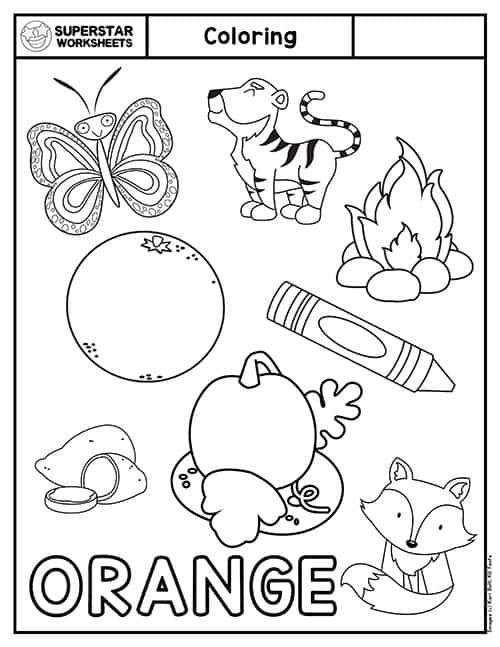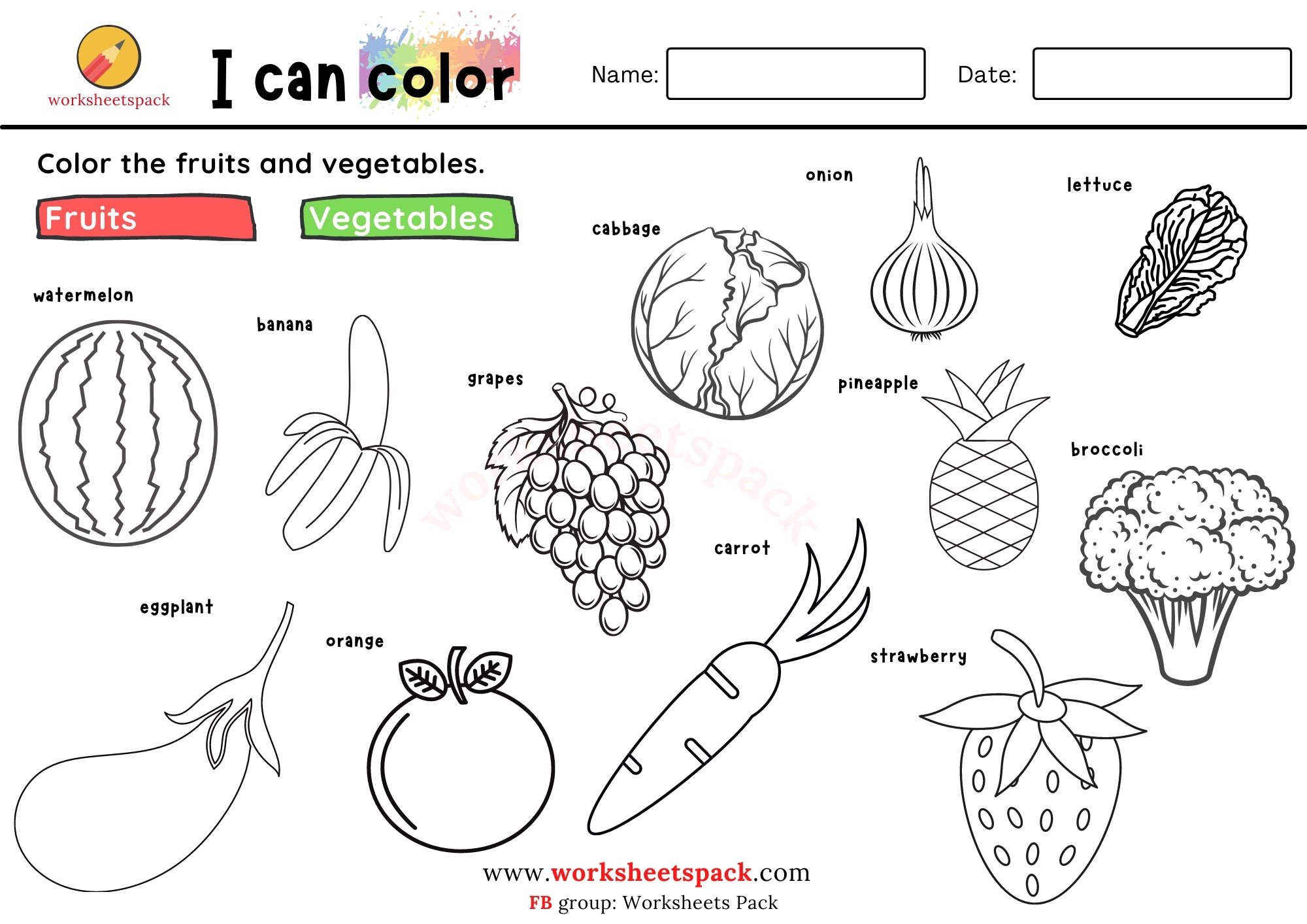
Introduction
Coloring worksheets for playgroup serve as vital tactile bridges that establish foundational screen-free cognitive boundaries for early learners before formal digital device introduction. According to the Family Online Safety Institute (FOSI), establishing healthy offline habits during early childhood dramatically strengthens long-term digital resilience and self-regulation in academic environments. Integrating structured analog activities into early education routines mitigates excessive screen dependency while simultaneously promoting crucial fine motor development. Educational institutions utilize offline creative resources to balance classroom technology integration without compromising fundamental developmental milestones.
Digital Safety Snapshot:
- Core Focus: Offline cognitive grounding through structured analog coloring worksheets for playgroup.
- Target Scope: Early childhood classrooms, home learning environments, and balanced technology curricula.
- Key Recommendation: Prioritize tactile creative tasks to reduce daily device exposure and foster healthy attention spans.
Core Principles and Detailed Overview
Managing the intersection of early childhood education and modern digital safety requires intentional curriculum design that minimizes early device dependency. Coloring worksheets for playgroup provide a secure, screen-free pedagogical tool that enhances focus without exposing young children to algorithmic data tracking, targeted advertising, or unintended web navigation risks. Educators and school administrators implement these tactile materials to maintain healthy screen balance, ensuring that foundational learning remains grounded in physical manipulation rather than digital interfaces. Furthermore, deliberate reliance on printed materials preserves physical classroom environments and reduces exposure to blue light hazards during formative developmental stages.
Key Specifications and Breakdown
| Safety Pillar | Digital Risk Factor | Actionable Protective Habit |
|---|---|---|
| Screen Balance | Early childhood tech addiction and sensory overload | Enforce strict analog intervals using Worksheets for daily creative tasks. |
| Data Privacy | Accidental data harvesting through unverified educational apps | Substitute digital drawing tablets with printed Coloring Pages. |
| Device Hygiene | Bacterial contamination and physical wear on tablets | Establish clean, screen-free zones dedicated exclusively to physical art supplies. |
Offline pedagogical frameworks successfully reduce early digital dependency while reinforcing cognitive focus and motor skill acquisition. — ConnectSafely Research
Step-by-Step Practical Application and Guidelines
Executing an effective screen-balanced curriculum involves systematically replacing unnecessary digital learning modules with high-quality physical learning tools. Educators begin by auditing daily instructional schedules to identify instances where tablets or interactive whiteboards can be seamlessly substituted with physical creative exercises. Next, classrooms establish designated analog stations stocked with pencils, crayons, and curated educational printables that reinforce thematic learning objectives safely. Finally, institutions coordinate with families to ensure consistent offline routines are maintained at home, reinforcing comprehensive digital safety and device boundaries across all environments.
Common Challenges and How to Avoid Them
Over-reliance on digital convenience often tempts educators to substitute printed activities with tablet-based drawing applications that introduce hidden online vulnerabilities. Mitigating this risk requires administrative enforcement of offline standards and continuous staff training regarding the cognitive benefits of tactile engagement over glass-screen interaction. Schools prevent tracking risks and accidental exposure to inappropriate web content by sourcing safe educational printables exclusively from verified institutional repositories rather than unvetted online search engines. Maintaining rigorous oversight of classroom resource procurement ensures that early learning environments remain entirely protected from digital distractions.
💬 Frequently Asked Questions
Explore More Kids Safety and Digital Citizenship Guides on SafeWiredSchools
Maintaining robust digital citizenship and healthy device habits requires continuous education for parents, teachers, and school administrators alike. Discover comprehensive strategies, expert safety protocols, and verified pedagogical frameworks across the extensive library available at Safe Wired Schools, including specialized resources found under Online and Digital Safety.
Printable Coloring Page Previews