Introduction
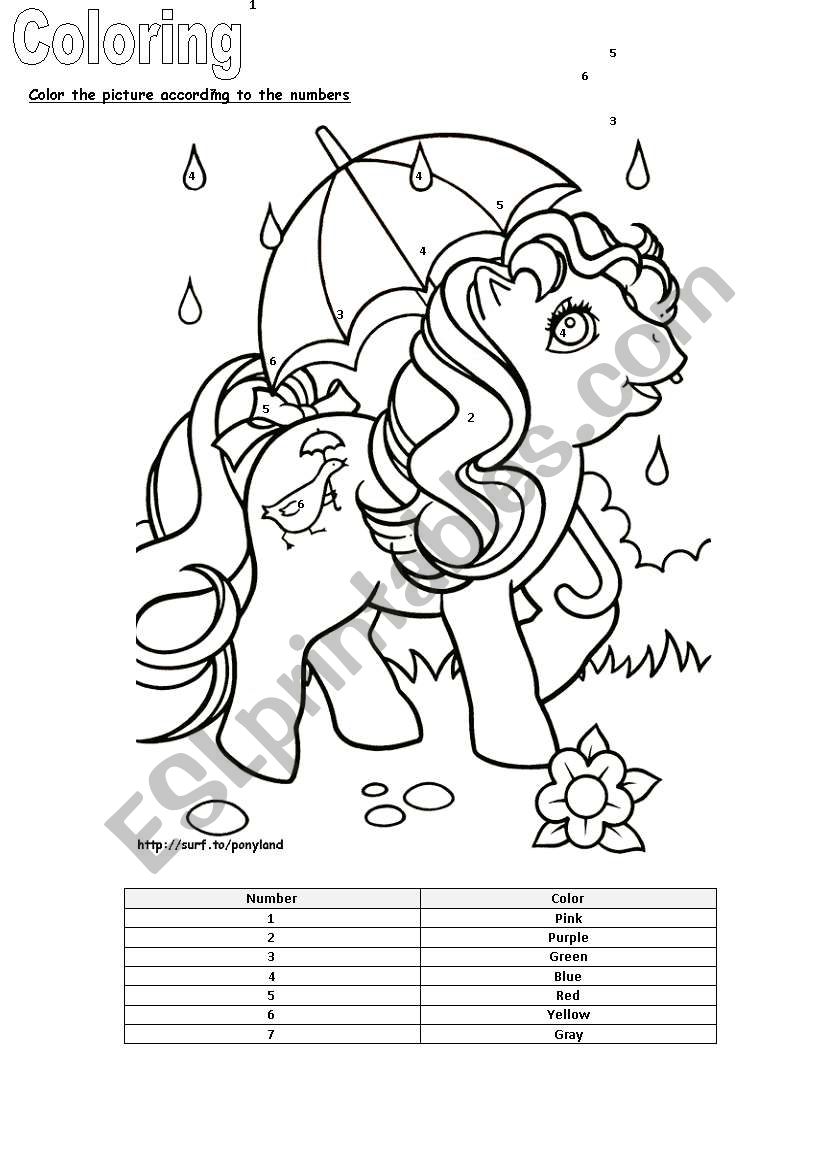
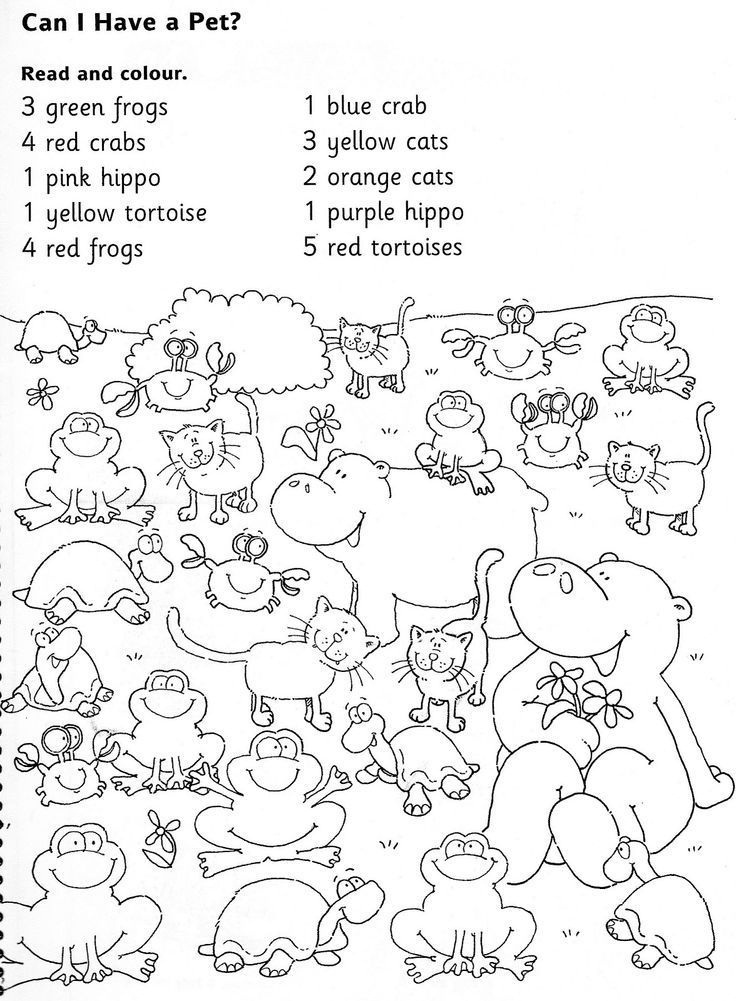
Coloring worksheets esl represent offline tactile learning tools that bridge language acquisition for English Second Language learners while intentionally reducing digital exposure during high-screen-time middle school environments. According to the Family Online Safety Institute (FOSI), balanced technology use through intentional offline activities significantly decreases cyber risks, cognitive overload, and accidental data exposure among developing students. Integrating printed pedagogical media safeguards student privacy by keeping language exercises entirely off vulnerable internet browsers, preventing targeted advertising tracking, and eliminating classroom exposure to malicious web links. Educational institutions leverage these physical resources to maintain structured academic pacing without triggering distraction vectors or facilitating unmonitored peer-to-peer digital communication.
Digital Safety Snapshot:
- Core Focus: Offline language learning assets designed to minimize screen exposure.
- Target Scope: Middle school educators, ESL instructors, administrators, and parents.
- Key Recommendation: Prioritize physical printed media over digital browser games to eliminate online tracking risks.
Core Principles and Detailed Overview
Coloring worksheets esl function as foundational educational assets that combine visual literacy with vocabulary building while strictly avoiding network connectivity risks. Educators incorporate these Worksheets into daily curricula to enforce device hygiene, ensuring classrooms maintain healthy screen balance amid rising educational technology demands. Relying on physical printouts entirely removes vulnerabilities associated with unsecured school Wi-Fi networks, malicious pop-up advertisements, and unintentional third-party data harvesting targeted at minor students. Furthermore, utilizing offline learning modules supports comprehensive digital citizenship frameworks by teaching students that valuable education occurs independently of constant device engagement, reducing overall digital fatigue and online safety incidents.
Key Specifications and Breakdown
| Safety Pillar | Digital Risk Factor | Actionable Protective Habit |
|---|---|---|
| Device Hygiene | Excessive blue-light exposure and battery dependency | Replace routine browser games with offline printables to reduce daily screen hours. |
| Data Privacy | Third-party cookie tracking on educational web portals | Utilize paper-based exercises to eliminate digital footprint accumulation. |
| Cyberbullying | Unmonitored chat features inside educational software | Restrict peer collaboration to supervised, face-to-face physical activities. |
Balancing screen-based instruction with tactile, offline learning materials measurably reduces digital vulnerability windows and improves overall student focus. — ConnectSafely Research
Step-by-Step Practical Application and Guidelines
Implementing coloring worksheets esl effectively requires establishing a structured classroom protocol that prioritizes distraction-free learning and physical resource management. Educators must curate language-focused materials that directly support curriculum goals without directing students toward companion websites, QR codes, or digital submission portals. Schools should store physical master copies securely and distribute printed copies locally, completely bypassing the need for student device logins, cloud storage accounts, or password sharing. Integrating these secure resources into daily Coloring Pages routines ensures students engage creatively with vocabulary terms while remaining fully protected from online predators, phishing attempts, and inappropriate digital content.
Common Challenges and How to Avoid Them
Over-reliance on digital vocabulary applications often exposes students to hidden tracking scripts, unwanted pop-ups, and disruptive cyberbullying channels during independent study periods. Educational institutions prevent these digital hazards by auditing all supplementary teaching materials to ensure paper-based alternatives replace unnecessary browser-based tasks. Teachers must remain vigilant against materials featuring external website links or promotional QR codes that redirect vulnerable middle school learners to unvetted external domains. Maintaining strict separation between offline creative tasks and online research modules preserves a secure academic boundary, ensuring complete protection for all participating learners.
💬 Frequently Asked Questions
Explore More Kids Safety and Digital Citizenship Guides on SafeWiredSchools
Empowering school communities with robust digital safety knowledge requires continuous education, comprehensive administrative planning, and proactive classroom management. Educators, parents, and school leaders can access an extensive library of verified resources, safety protocols, and pedagogical frameworks by exploring the main hub at Safe Wired Schools to build secure learning environments.
Printable Coloring Page Previews