Introduction
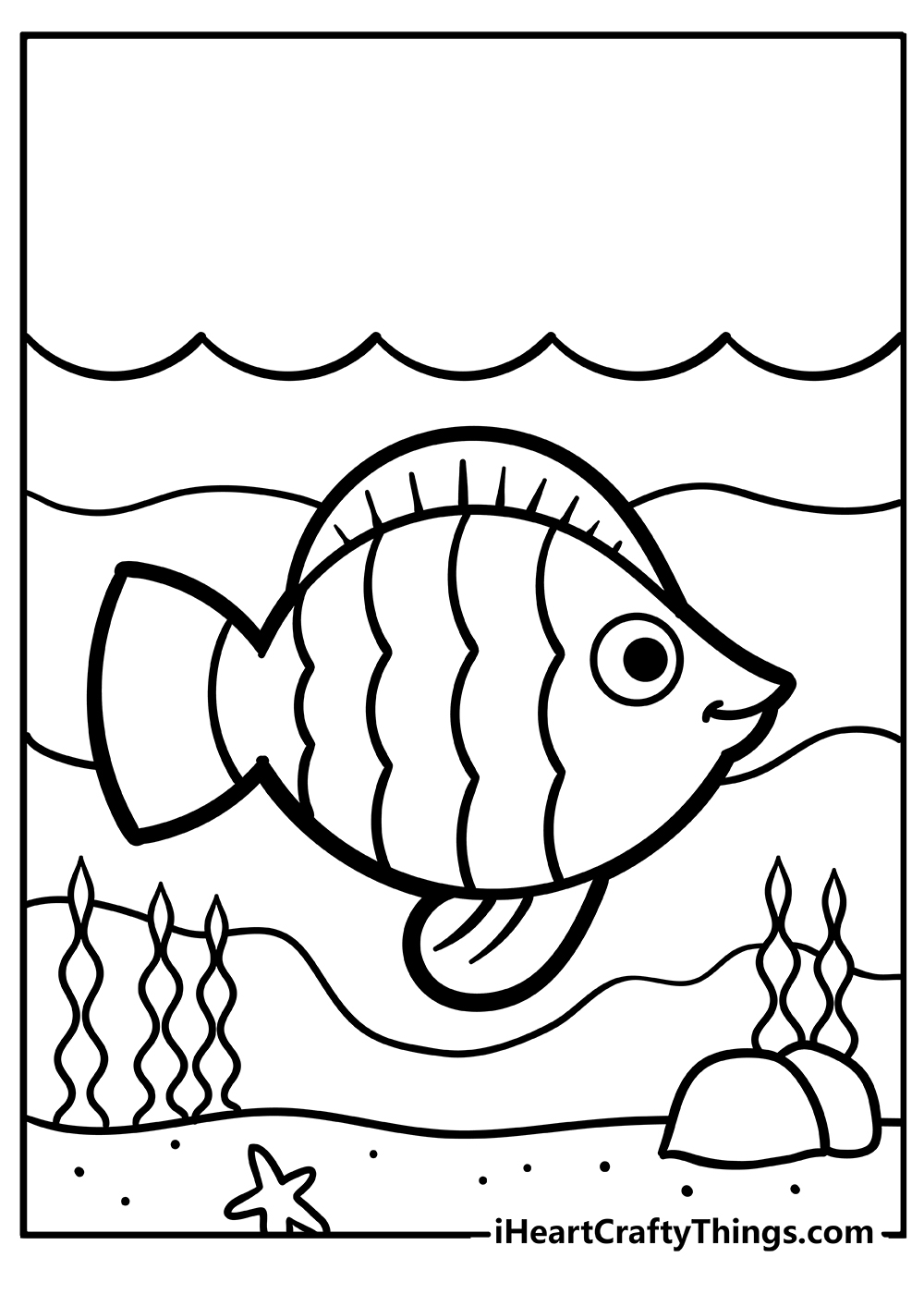
Coloring worksheets daycare resources represent offline, tactile educational printouts used in early childhood and school environments to bridge developmental motor skill needs while reducing excessive digital exposure. According to Family Online Safety Institute (FOSI), establishing balanced screen time habits and prioritizing tactile, analog learning tools during foundational developmental years effectively reduces digital fatigue and mitigates early cyber risks. Educators, administrators, and parents continually seek low-tech alternatives like printable coloring sheets to maintain classroom focus without increasing student screen dependency. Integrating these physical materials ensures that young learners develop fine motor control away from connected devices, supporting comprehensive digital citizenship frameworks that emphasize moderation and balanced device hygiene.
Digital Safety Snapshot:
- Core Focus: Utilizing low-tech analog coloring resources to minimize early childhood digital exposure and classroom screen fatigue.
- Target Scope: Daycare facilities, early education classrooms, and elementary digital wellness programs.
- Key Recommendation: Supplement mandatory edtech curricula with physical printouts to reinforce healthy screen-life balance.
Core Principles and Detailed Overview
Managing coloring worksheets daycare assets involves strategic curation of offline activities that align with comprehensive online and digital safety mandates. Direct answer formatting reveals that offline pedagogical tools act as crucial buffers against hyper-connectivity, protecting developing minds from intrusive ad trackers, algorithmic manipulation, and blue-light overexposure. When institutions balance digital learning modules—such as those found within standard Worksheets—with physical coloring activities, student attention spans improve and behavioral distractions drop. Furthermore, reducing continuous device interaction during early learning phases establishes lifelong cognitive boundaries regarding device usage, setting the stage for safe navigation of Internet and Digital Safety principles later in academic life.
Key Specifications and Breakdown
| Safety Pillar | Digital Risk Factor | Actionable Protective Habit |
|---|---|---|
| Screen Balance | Cognitive overload and eye strain from continuous monitor use | Enforce mandatory offline periods using physical coloring and drawing materials. |
| Data Privacy | Accidental collection of minor data via unregulated educational apps | Substitute digital drawing software with secure, printed analog templates. |
| Classroom Focus | Multitasking, cyberbullying vectors, and off-task browsing | Distribute physical activity sheets during free-play windows to eliminate online exposure. |
Balancing digital instruction with tangible, offline tactile exercises remains a core recommendation for mitigating early cognitive burnout and protecting student privacy. — Cybersecurity & Infrastructure Security Agency (CISA)
Step-by-Step Practical Application and Guidelines
Implementing physical activity sheets effectively requires a structured institutional workflow that prioritizes offline engagement over unnecessary screen time. First, instructors must audit existing daily schedules to identify blocks where digital tablets or interactive boards can be replaced with verified analog material. Second, schools should source non-digital resources exclusively from trusted educational repositories, ensuring that any accompanying online download portals are managed strictly by educators rather than students. Third, institutions should establish clear classroom routines where transitional periods involve physical Coloring Pages rather than digital rewards or unmonitored browsing sessions. Finally, administrators must evaluate device usage metrics regularly to verify that screen reduction strategies successfully lower overall digital consumption across all participating classrooms.
Common Challenges and How to Avoid Them
Navigating the shift toward balanced analog tools often introduces logistical hurdles, including teacher resistance, resource tracking difficulties, and the temptation to rely on automated digital alternatives. Direct answer solutions dictate that institutions must proactively supply high-quality physical printouts in centralized resource rooms to minimize preparation burdens on instructional staff. When teachers lack immediate access to offline content, reliance on tablets quickly creeps back into daily routines, undermining institutional screen-limit policies. Additionally, schools must ensure that physical handouts do not inadvertently expose children to commercial branding or unsafe external web links printed on unvetted internet printouts. Maintaining strict quality control over all distributed analog material safeguards institutional integrity and reinforces robust Online and Digital Safety standards.
💬 Frequently Asked Questions
Explore More Kids Safety and Digital Citizenship Guides on SafeWiredSchools
Equipping children with healthy digital habits requires a holistic strategy that seamlessly blends technology education with vital offline boundaries. For additional resources, expert frameworks, and comprehensive safety toolkits designed for parents, teachers, and school administrators, explore the complete educational library available at Safe Wired Schools.
Printable Coloring Page Previews