Introduction
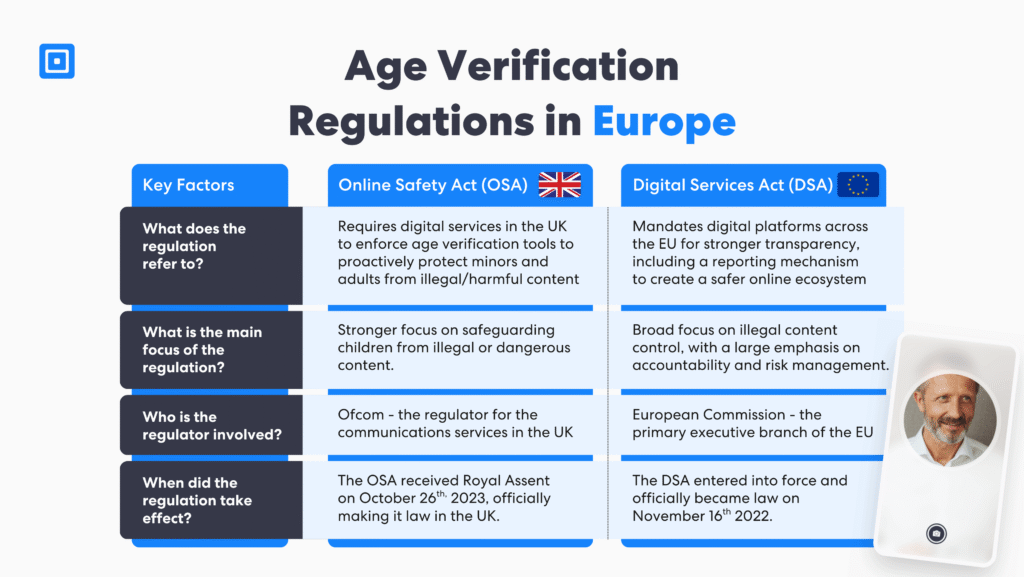
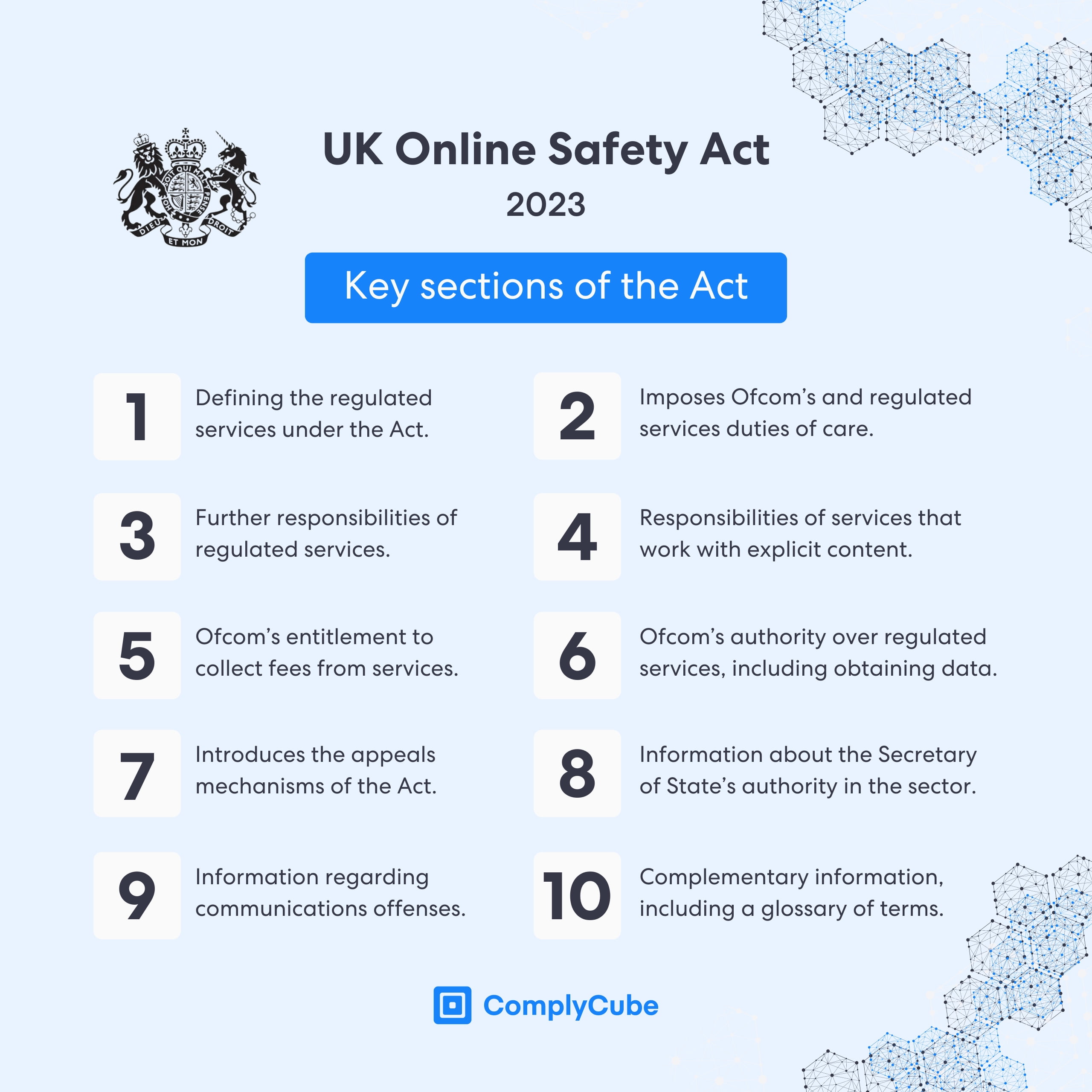
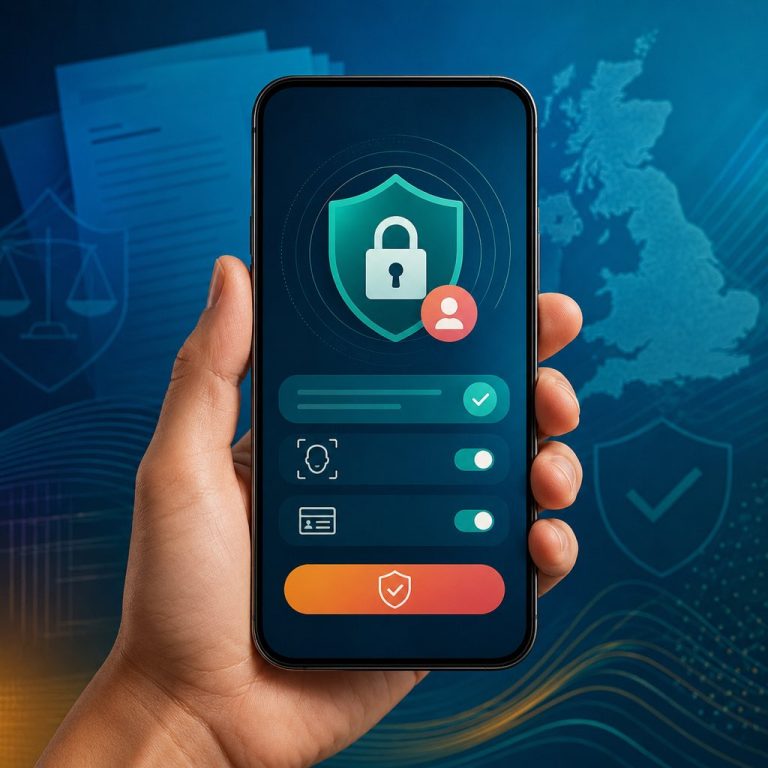
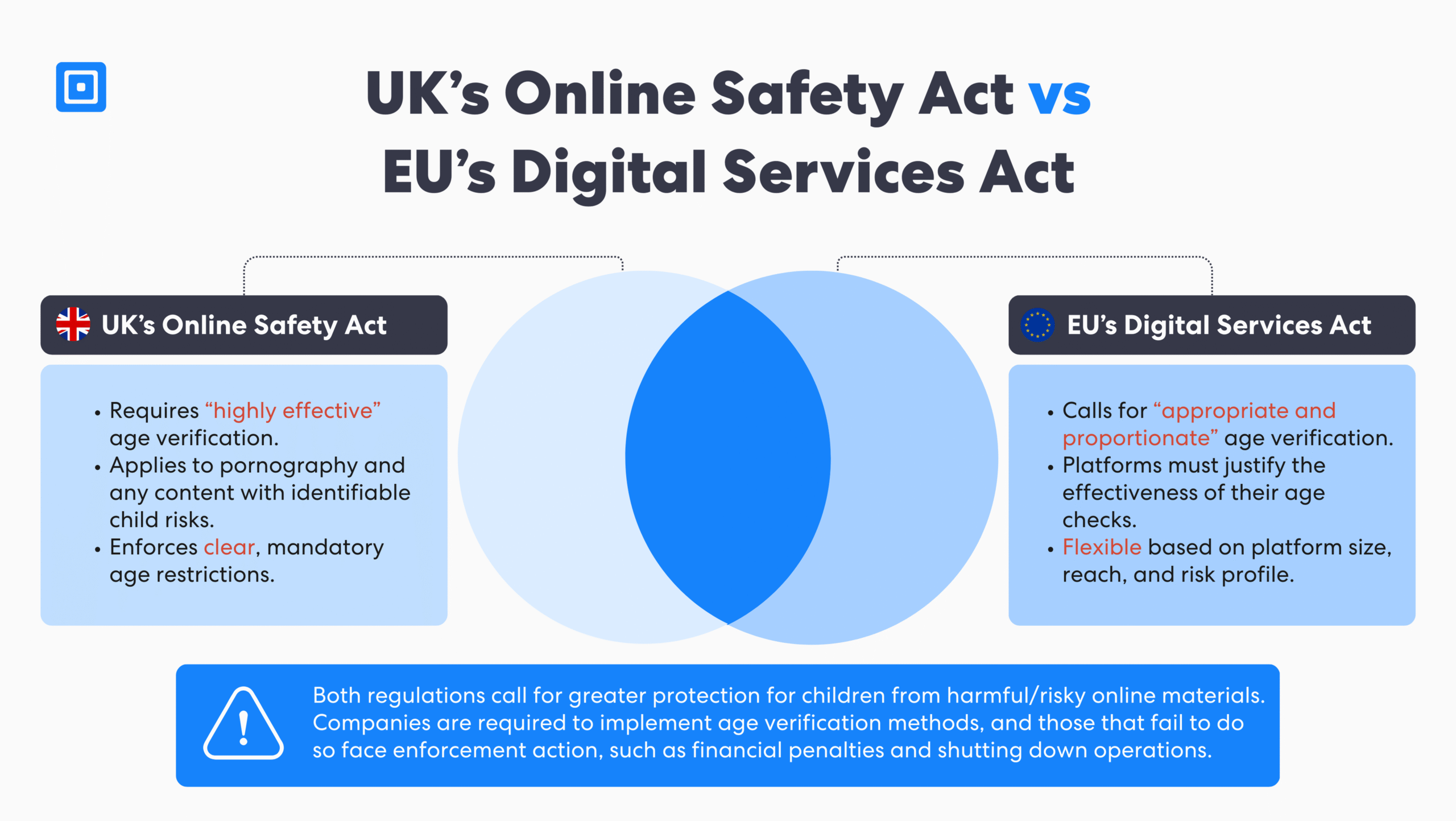
Legislative frameworks governing online safety act and digital id initiatives establish vital statutory mechanisms to safeguard minors across digital learning environments and public networks. According to ConnectSafely, establishing clear legislative boundaries and robust age-verification standards ensures that school-aged students access educational platforms without compromising personal data integrity or encountering predatory online behaviors. Modern educational institutions, parents, and adolescent learners must navigate these evolving statutory requirements to foster secure online environments, mitigate cyberbullying risks, and maintain balanced screen consumption routines in both physical classrooms and home settings.
Digital Safety Snapshot:
- Core Focus: Statutory regulations and cryptographic identity verification methods designed to protect student populations online.
- Target Scope: Middle schools, educators, families, and student digital footprint management systems.
- Key Recommendation: Implement cryptographic minimization techniques to verify user status without exposing identifiable personal records.
Core Principles and Detailed Overview
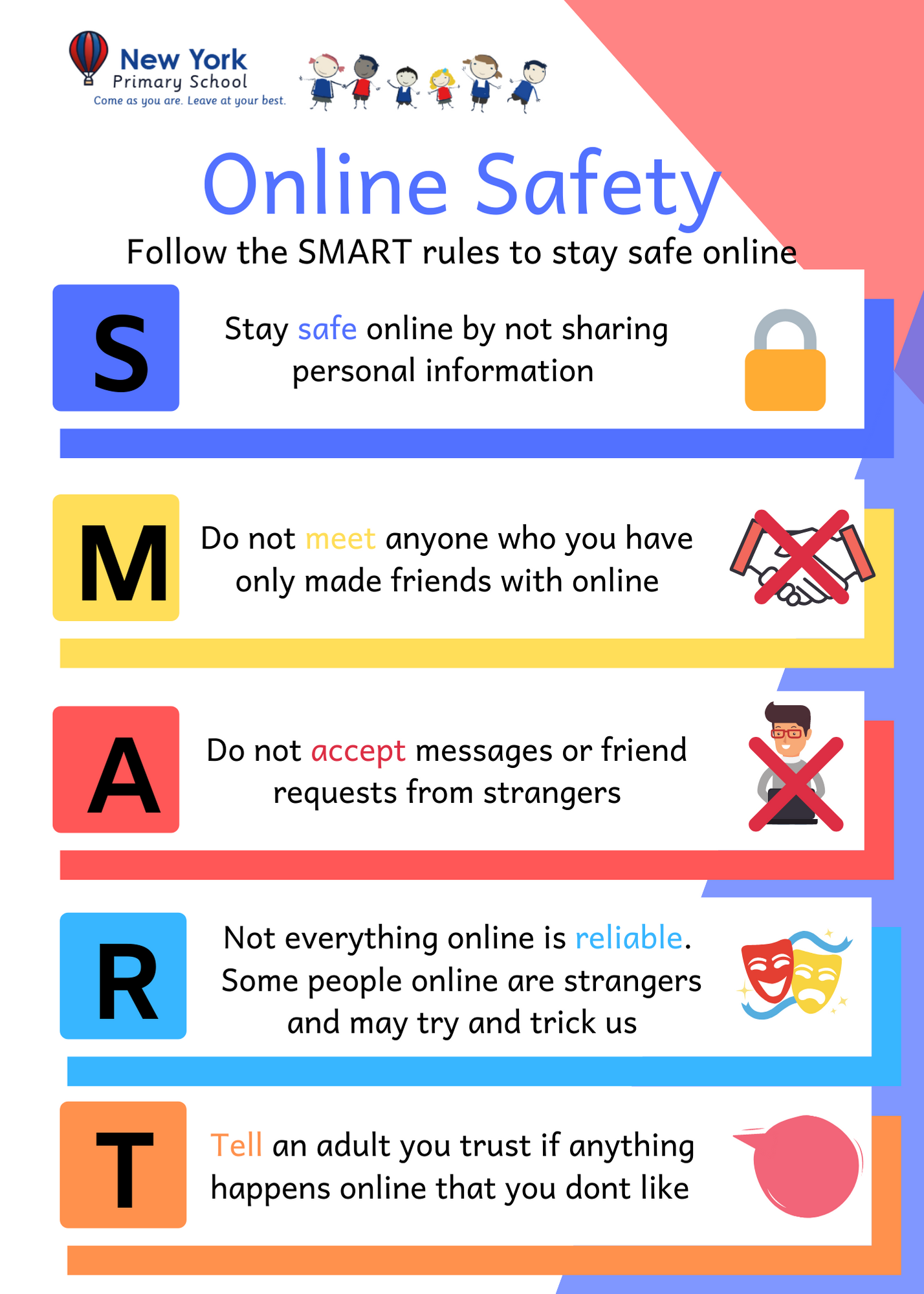
Regulatory standards addressing online safety act and digital id frameworks mandate strict data protection protocols for educational technology tools and minor-accessible platforms. Direct alignment with these mandates requires schools and families to monitor student digital footprints closely, ensuring that student identifiers remain protected against unauthorized tracking, data harvesting, and commercial exploitation. Digital citizenship curricula must integrate practical lessons regarding secure device hygiene, privacy settings, and the implications of sharing personal credentials online, transforming complex legislative language into accessible operational habits for middle school students.
Key Specifications and Breakdown
| Safety Pillar | Digital Risk Factor | Actionable Protective Habit |
|---|---|---|
| Digital Identity | Unauthorized data profiling and surveillance | Utilize decentralized or masked identifiers for minor accounts. |
| Cyberbullying Prevention | Anonymous harassment and targeted exclusion | Enable aggressive platform reporting and save timestamped evidence. |
| Device Hygiene | Malware injection and credential theft | Enforce automated software updates and multi-factor authentication. |
Identity verification frameworks must prioritize privacy-preserving architectures that confirm user eligibility without permanently storing biometric or sensitive personal records. — Cybersecurity & Infrastructure Security Agency (CISA)
Step-by-Step Practical Application and Guidelines
Systematic enforcement of online safety act and digital id policies requires a structured, multi-tier approach involving school administrators, IT departments, and classroom teachers. Administrators must first audit all third-party educational software to confirm compliance with minor protection statutes and data minimization rules. Next, educators should integrate targeted lessons on Internet and Digital Safety into routine coursework, guiding students to recognize predatory behavior and digital manipulation. Finally, families should partner with schools by establishing strict device boundaries at home, ensuring that student screens power down during designated hours to support healthy cognitive development and classroom screen balance.
Common Challenges and How to Avoid Them
Over-reliance on convenience often compromises security when implementing online safety act and digital id protocols within high-traffic educational networks. A frequent administrative misstep involves deploying intrusive tracking software under the guise of safety, which inadvertently expands the student digital footprint and invites potential data breaches. Mitigating this risk requires adopting zero-trust architectures and privacy-first identity solutions that shield student profiles from commercial data brokers. Furthermore, teachers must proactively address classroom screen fatigue by alternating digital research tasks with offline collaborative activities and physical worksheets found via resources like Worksheets to maintain healthy cognitive engagement.
💬 Frequently Asked Questions
Explore More Kids Safety and Digital Citizenship Guides on SafeWiredSchools
Maintaining secure, balanced, and compliant digital environments requires continuous education, proactive policy implementation, and reliable resources for educators, parents, and administrators alike. Explore comprehensive guides, interactive toolkits, and informative printables by visiting the main repository at Safe Wired Schools to build a safer digital future for every student.
Visual Reference Gallery