Introduction
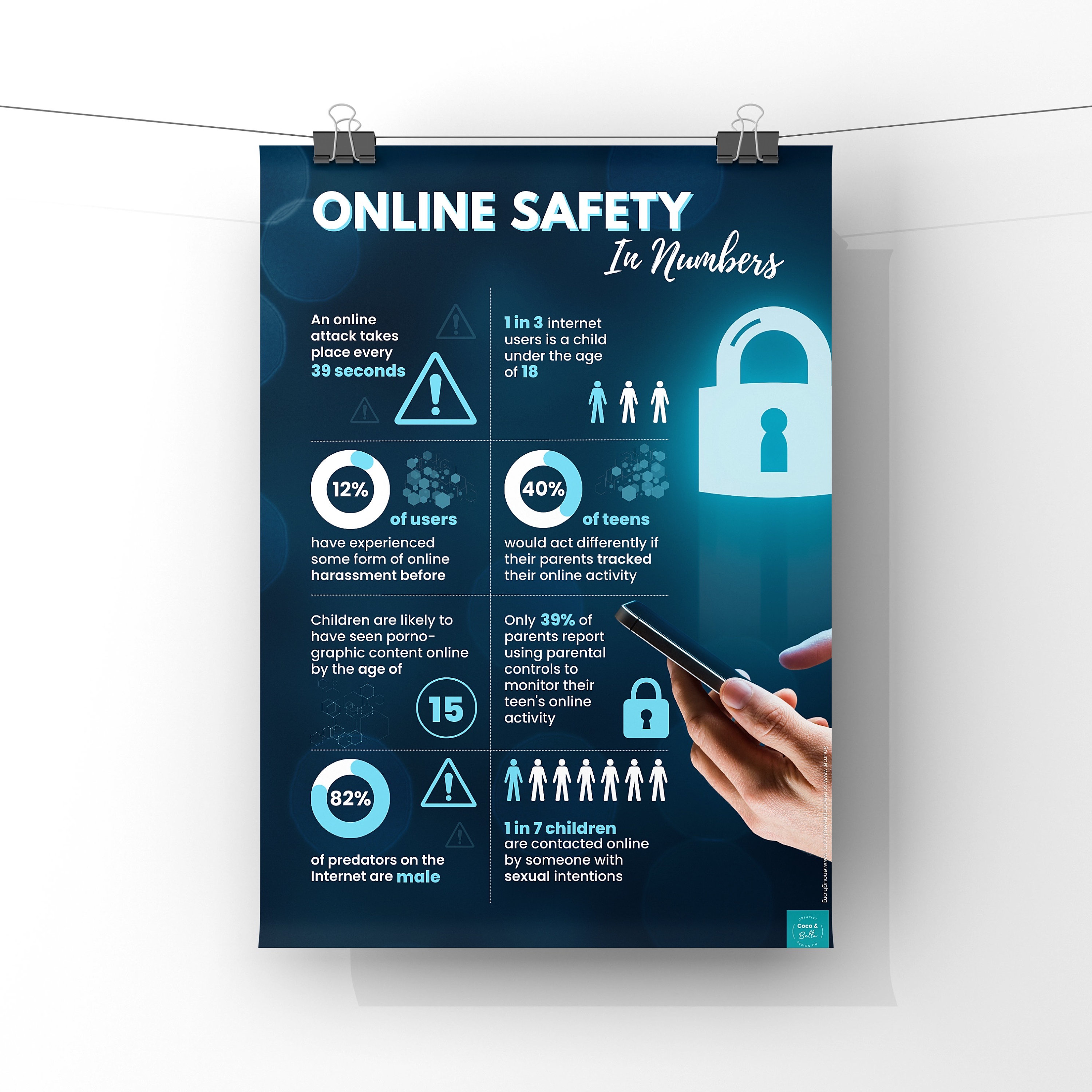
Digital awareness and internet safety encompass the comprehensive cognitive frameworks, technical protocols, and behavioral practices necessary to navigate online environments securely, responsibly, and ethically. According to the Federal Trade Commission (FTC Consumer Advice), protecting young internet users requires proactive educational guidance regarding data privacy, verifiable online identity management, and respectful digital interactions. Establishing robust internet safety standards within educational institutions and households prevents unauthorized data exposure, mitigates cyber harassment, and cultivates resilient digital citizens. Educators, administrators, and parents must collaborate to establish clear boundaries concerning device hygiene, classroom screen balance, and the permanent nature of individual student digital footprints.
Digital Safety Snapshot:
- Core Focus: Comprehensive protection against cyber threats and cultivation of responsible digital footprints.
- Target Scope: Middle school students, classroom educators, school administrators, and households.
- Key Recommendation: Implement consistent device hygiene and proactive communication protocols across all learning environments.
Core Principles and Detailed Overview
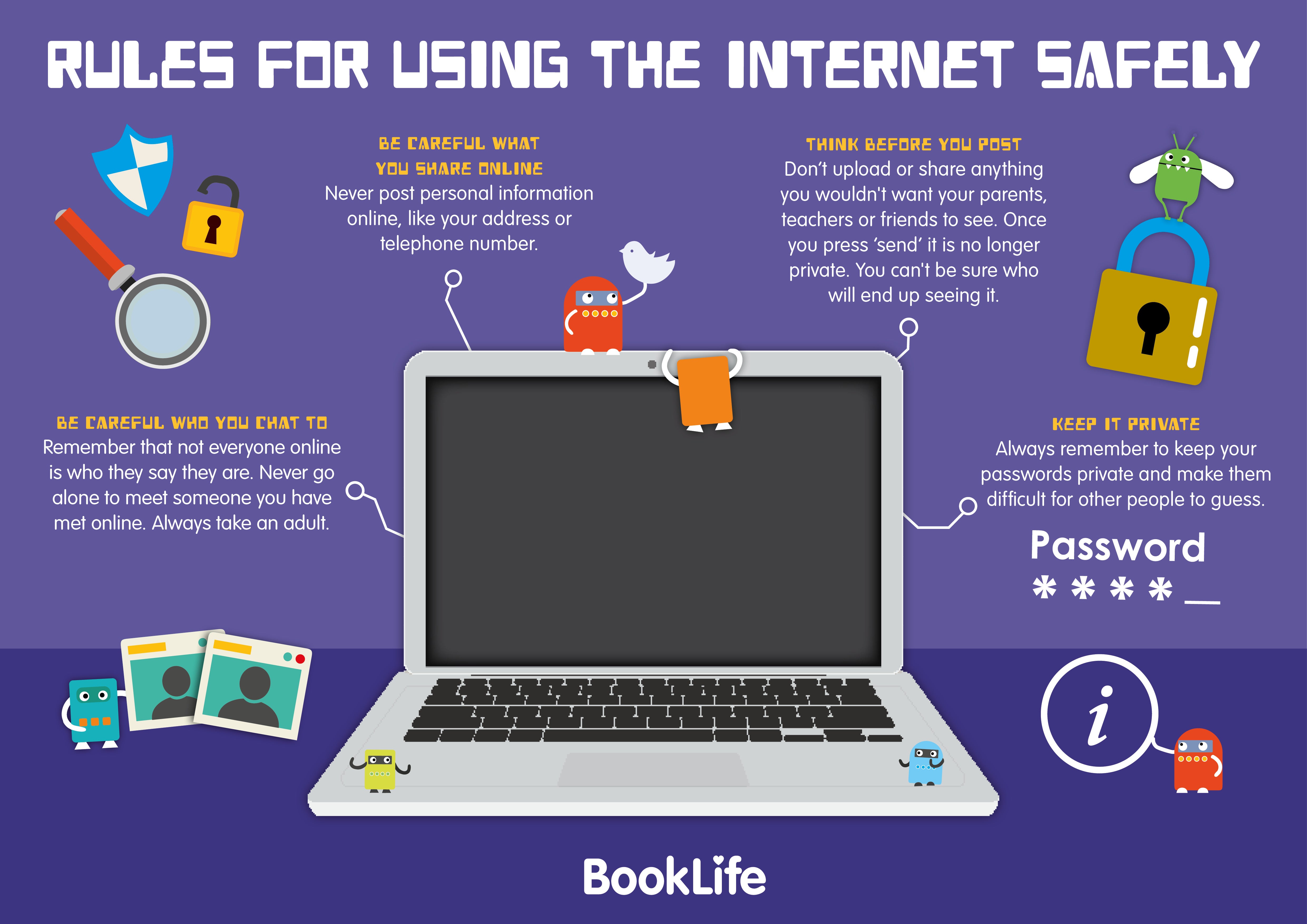
School internet safety requires a multi-layered defensive strategy combining institutional network filters, device security maintenance, and targeted instruction on cyberbullying prevention. A student digital footprint consists of every piece of recoverable data generated online, including forum posts, submitted homework assignments, shared images, and browsing histories that permanently shape public profiles. Educational communities manage these dynamic online spaces by enforcing rigorous device hygiene, which involves regular software updates, robust password management, and prompt reporting of suspicious digital anomalies. Furthermore, balancing classroom screen time with offline experiential learning supports cognitive health while minimizing the vulnerabilities associated with continuous connectivity.
Key Specifications and Breakdown
| Safety Pillar | Digital Risk Factor | Actionable Protective Habit |
|---|---|---|
| Digital Footprint | Permanent archiving of careless posts or inappropriate comments. | Reviewing privacy settings frequently and evaluating content permanence before publishing. |
| Cyberbullying Prevention | Anonymous harassment, targeted exclusion, and toxic peer messaging. | Documenting abusive communications immediately and utilizing school reporting channels. |
| Device Hygiene | Outdated operating systems, weak passwords, and malware injection. | Enabling automatic system updates and utilizing multi-factor authentication everywhere. |
Proactive digital citizenship education significantly reduces student vulnerability to online grooming, malicious phishing campaigns, and severe peer harassment — Cybersecurity & Infrastructure Security Agency (CISA)
Step-by-Step Practical Application and Guidelines
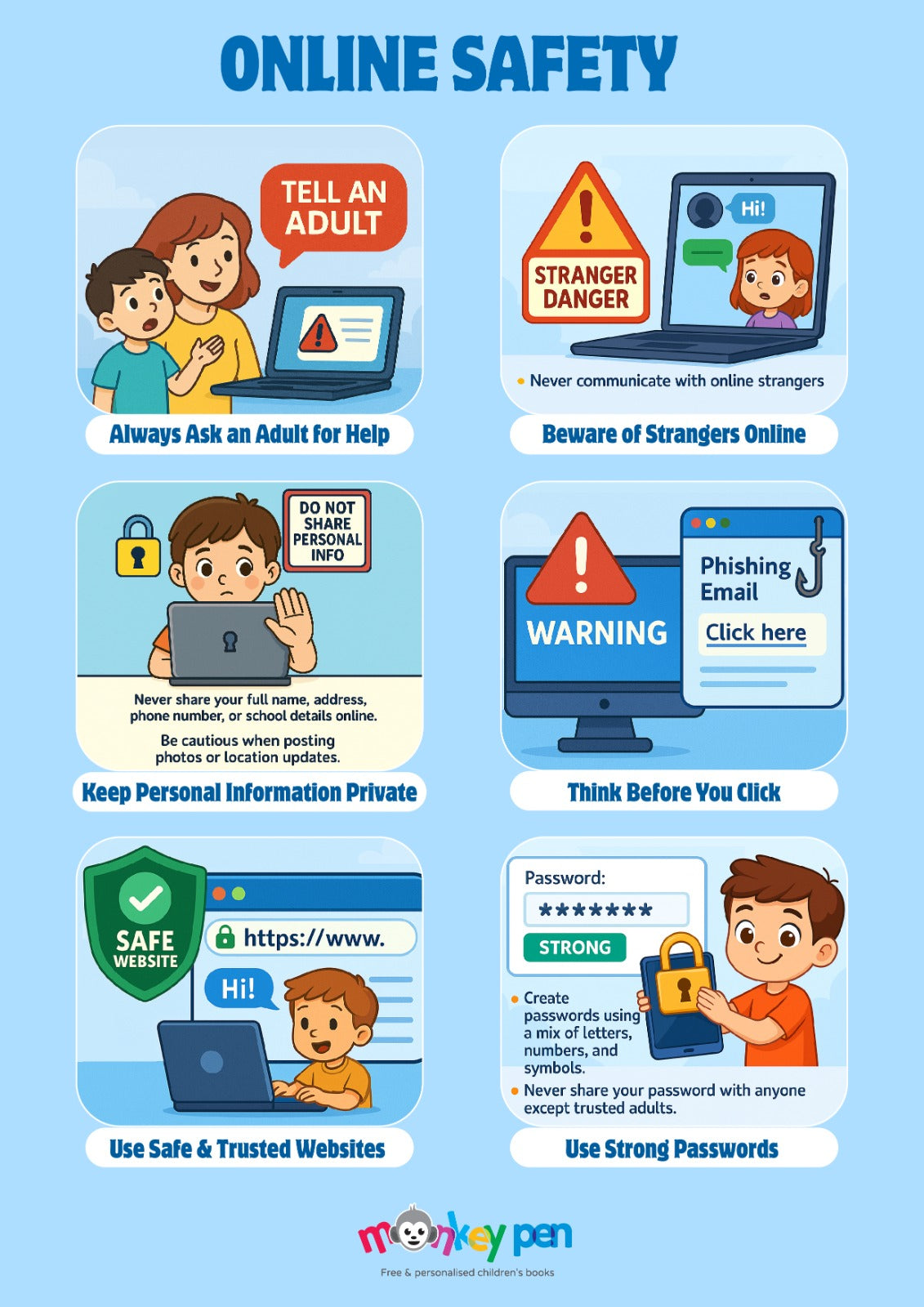
Implementing robust safety measures involves establishing structured routines that empower students to recognize and neutralize online threats independently. First, school administrators and teachers must integrate foundational modules from comprehensive curricula such as Internet and Digital Safety resources to educate students on secure communication protocols. Second, educators should establish transparent guidelines for classroom device usage, ensuring that students disconnect from non-educational applications during instructional hours. Third, schools must provide accessible mechanisms for reporting cyberbullying incidents without fear of social retaliation. Finally, parents and educators should review privacy permissions on all student-facing accounts regularly to restrict unwarranted data harvesting by third-party applications.
Common Challenges and How to Avoid Them
Over-reliance on automated content filters often creates a false sense of security while failing to address the behavioral nuances of peer-to-peer cyber harassment. Educators and parents frequently encounter resistance when establishing screen balance boundaries, which can be mitigated by clearly articulating the cognitive benefits of scheduled offline periods. Another persistent challenge involves students sharing personal identification details on unsecured gaming platforms and social media networks. Combating this vulnerability requires continuous dialogue regarding the implications of the digital footprint and the enforcement of strict data-sharing prohibitions across all institutional and domestic networks. Exploring specialized educational materials such as Online and Digital Safety guides helps bridge the gap between technical defense mechanisms and practical behavioral habits.
💬 Frequently Asked Questions
Explore More Kids Safety and Digital Citizenship Guides on SafeWiredSchools
Maintaining a secure, educational online environment requires ongoing commitment from every member of the school community. Educators, administrators, and parents seeking further instructional materials can access a comprehensive repository of expert-verified guides, printable exercises, and informative Worksheets designed to reinforce healthy digital habits. Visit the central hub at Safe Wired Schools to discover more curriculum-aligned resources tailored to protect students in an increasingly interconnected world.
Visual Reference Gallery