Introduction
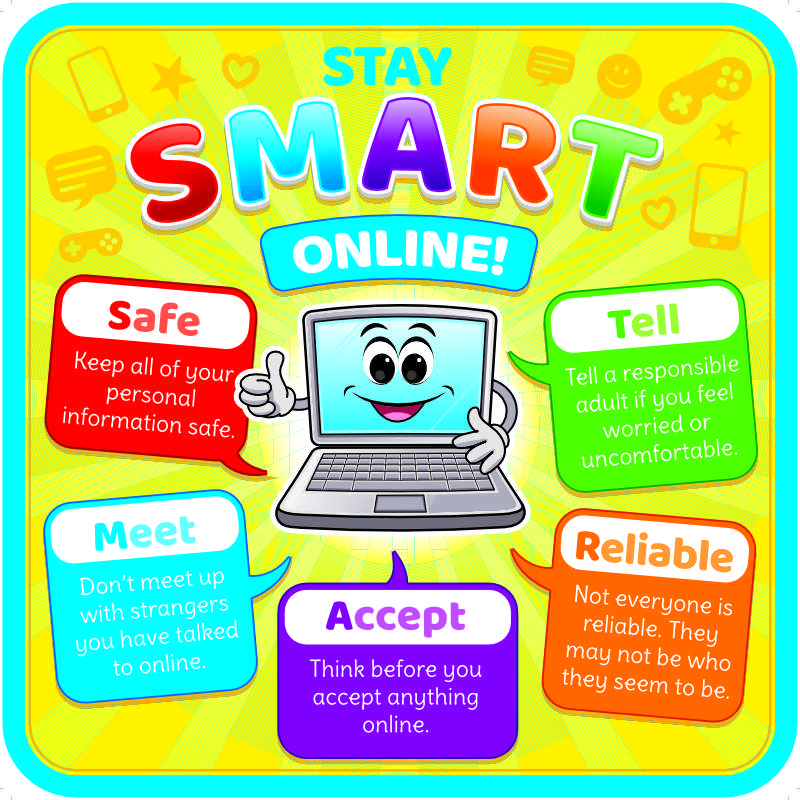
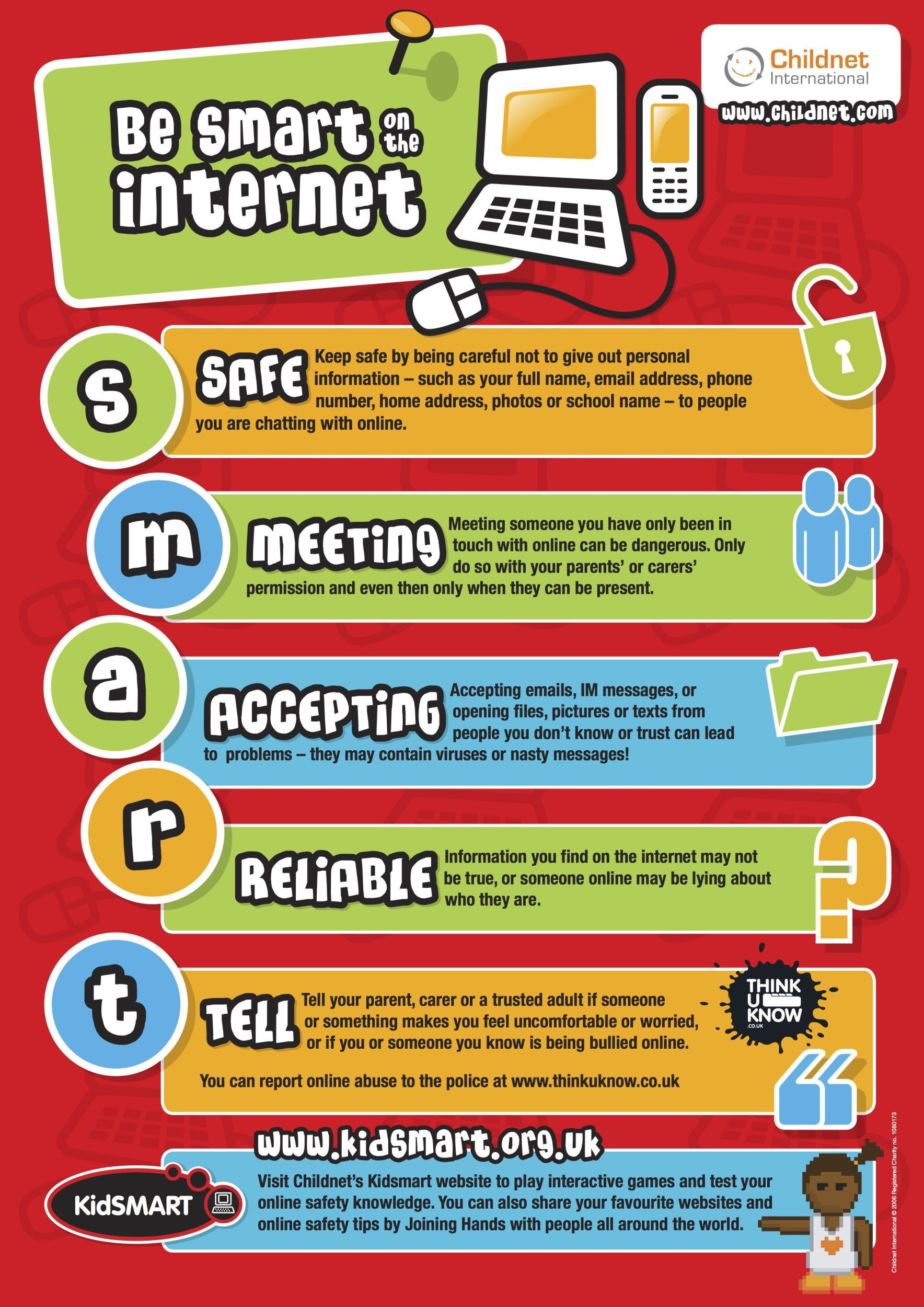
An internet safety digital poster serves as a high-visibility visual aid designed to reinforce critical online behavioral standards and protective habits within educational environments. According to the Cybersecurity and Infrastructure Security Agency (CISA), maintaining strong digital hygiene and recognizing social engineering tactics are foundational elements of a secure online presence for students. These posters act as constant, low-friction reminders that bridge the gap between abstract safety policies and daily classroom digital interactions. Educators utilize these assets to standardize expectations regarding screen balance, the permanence of a digital footprint, and the immediate reporting of cyberbullying incidents.
Digital Safety Snapshot:
- Core Focus: Visual reinforcement of cybersecurity protocols and responsible digital citizenship.
- Target Scope: Middle school classrooms, computer labs, and shared digital learning spaces.
- Key Recommendation: Position posters at eye level near primary device charging stations or screen access points.
Core Principles and Detailed Overview
Effective internet safety digital posters communicate complex cybersecurity concepts through simplified, actionable iconography and concise directives. By focusing on the intersection of student digital footprint management and cyberbullying prevention, these materials transform passive learning into active habit formation. Information density must remain high while visual clutter stays low, ensuring that students internalize core safety pillars—such as password complexity, privacy settings, and respectful online communication—without cognitive overload. When integrated into Internet and Digital Safety initiatives, these posters establish a consistent behavioral baseline across the entire school ecosystem.
Key Specifications and Breakdown
| Safety Pillar | Digital Risk Factor | Actionable Protective Habit |
|---|---|---|
| Digital Footprint | Permanent Data Exposure | Review privacy settings monthly |
| Cyberbullying | Harassment and Aggression | Document and report incidents |
| Device Hygiene | Malware and Account Breach | Log out after every session |
The “Stop, Think, Connect” principle emphasizes that safety requires active user engagement before clicking links or sharing personal information. — Cybersecurity & Infrastructure Security Agency (CISA)
Step-by-Step Practical Application and Guidelines
Implementation of internet safety digital posters requires strategic placement and curriculum alignment to ensure maximum student retention. Begin by selecting high-traffic areas where students interact with hardware, such as 1:1 device carts or library stations, to maximize exposure. Administrators should audit existing Worksheets to ensure the messaging on physical and digital posters remains synchronized. Next, incorporate these visual prompts into classroom transitions, requiring students to verify compliance with a specific safety rule—such as closing all browser tabs—before exiting a digital session. Consistency across grade levels reinforces the institutional commitment to digital well-being, effectively turning safety posters into standard operating procedures.
Common Challenges and How to Avoid Them
Avoiding poster fatigue and cognitive blindness is essential for maintaining the effectiveness of digital safety signage in schools. When visual aids remain static for the entire academic year, students often cease to process the information, rendering the posters invisible to the intended audience. To prevent this, rotate posters quarterly to highlight different facets of Online and Digital Safety, such as shifting from password security to healthy screen time management. Furthermore, ensure that the design avoids overly academic language, favoring direct, imperative statements that middle school students can translate into immediate physical actions at their workstations.
💬 Frequently Asked Questions
Explore More Kids Safety and Digital Citizenship Guides on SafeWiredSchools
Continuous reinforcement of digital citizenship is vital for student success in an increasingly connected world. Educators and parents are encouraged to utilize supplementary resources, including Coloring Pages and interactive guides, to engage younger learners in these critical conversations. For a full repository of tools designed to protect and empower students, visit Safe Wired Schools.
Visual Reference Gallery