
Introduction
Legislative proposals concerning children’s online protection establish baseline federal standards for student data privacy, platform accountability, and digital well-being in educational and domestic environments. According to ConnectSafely, establishing robust legislative frameworks and proactive digital safety habits prevents exploitation while promoting responsible navigation of modern communication channels. Educators, administrators, and parents leverage legislative insights to align school internet policies with emerging federal standards. Integrating these regulatory guidelines ensures that middle school students cultivate safe online habits across campus networks and personal devices.
Digital Safety Snapshot:
- Core Focus: Federal legislation regulating children’s data collection, cyberbullying, and digital platform access.
- Target Scope: Middle school students, educators, school administrators, and parents.
- Key Recommendation: Enforce strict device hygiene and continuous digital citizenship education aligned with legislative expectations.
Core Principles and Detailed Overview
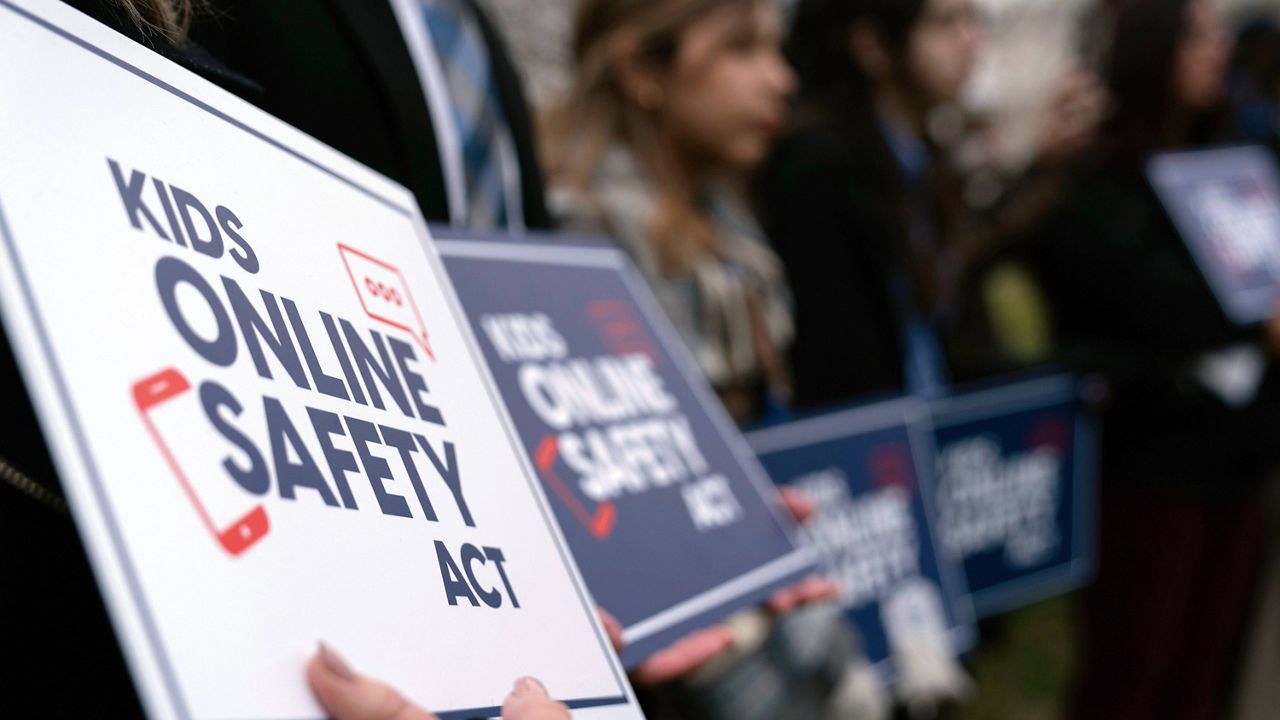
The kids internet and digital safety act congress initiatives center on restricting targeted advertising to minors, mandating default high privacy settings, and empowering schools with actionable oversight tools. Legislative proposals of this nature mandate transparent parental controls, restrict data harvesting on educational software, and mandate clear reporting mechanisms for cyberbullying incidents. Schools integrate these mandates into Acceptable Use Policies (AUPs) to safeguard student digital footprints and maintain secure classroom networks. Furthermore, maintaining digital balance requires intentional screen-time boundaries that prevent technological fatigue while fostering healthy academic focus.
Key Specifications and Breakdown
| Safety Pillar | Digital Risk Factor | Actionable Protective Habit |
|---|---|---|
| Data Privacy | Unauthorized harvesting of student browsing analytics and personal identifiers. | Utilize secure educational browsers and review privacy policies thoroughly. |
| Cyberbullying Prevention | Anonymous harassment, digital exclusion, and peer-to-peer intimidation online. | Document inappropriate interactions and report incidents immediately via official channels. |
| Device Hygiene | Malware exposure, unsecured network connections, and unmonitored application downloads. | Enforce regular software updates and restrict administrator privileges on student devices. |
Proactive legislative compliance requires strict adherence to federal data privacy standards and comprehensive cybersecurity frameworks across all educational networks — Cybersecurity & Infrastructure Security Agency (CISA)
Step-by-Step Practical Application and Guidelines
Implementing legislative safety standards within educational institutions involves establishing multi-layered technical filtering, explicit digital citizenship curricula, and transparent communication channels between home and school. School administrators deploy network-level content filters compliant with the Children’s Internet Protection Act (CIPA) to block inappropriate material while teaching students critical evaluation skills. Teachers incorporate interactive lessons found in Internet and Digital Safety modules to reinforce safe online behavior during instructional hours. Additionally, educators utilize structured learning tools such as printable Worksheets to assess student comprehension of digital footprints, password security, and respectful online communication.
Common Challenges and How to Avoid Them
Over-reliance on automated filters without accompanying digital citizenship instruction often leaves students vulnerable to sophisticated social engineering and out-of-school cyber threats. Schools mitigate this vulnerability by pairing technical safeguards with open discussions regarding online reputation, screen balance, and the permanent nature of digital posts. Teachers and parents must collaborate to bridge the gap between classroom filtering and home device usage, ensuring consistent safety rules across all environments. Exploring creative educational assets such as Coloring Pages helps younger students engage positively with foundational internet safety concepts early in their academic journey.
💬 Frequently Asked Questions
Explore More Kids Safety and Digital Citizenship Guides on SafeWiredSchools
Navigating the complexities of student digital footprints, cyberbullying prevention, and legislative compliance requires continuous education and dedicated resources. Educators, school administrators, and parents can discover comprehensive teaching guides, policy frameworks, and interactive learning tools by visiting the main directory at Safe Wired Schools. Empowering students with the knowledge to navigate online spaces safely remains a shared responsibility for every member of the educational community.
Visual Reference Gallery


