Introduction
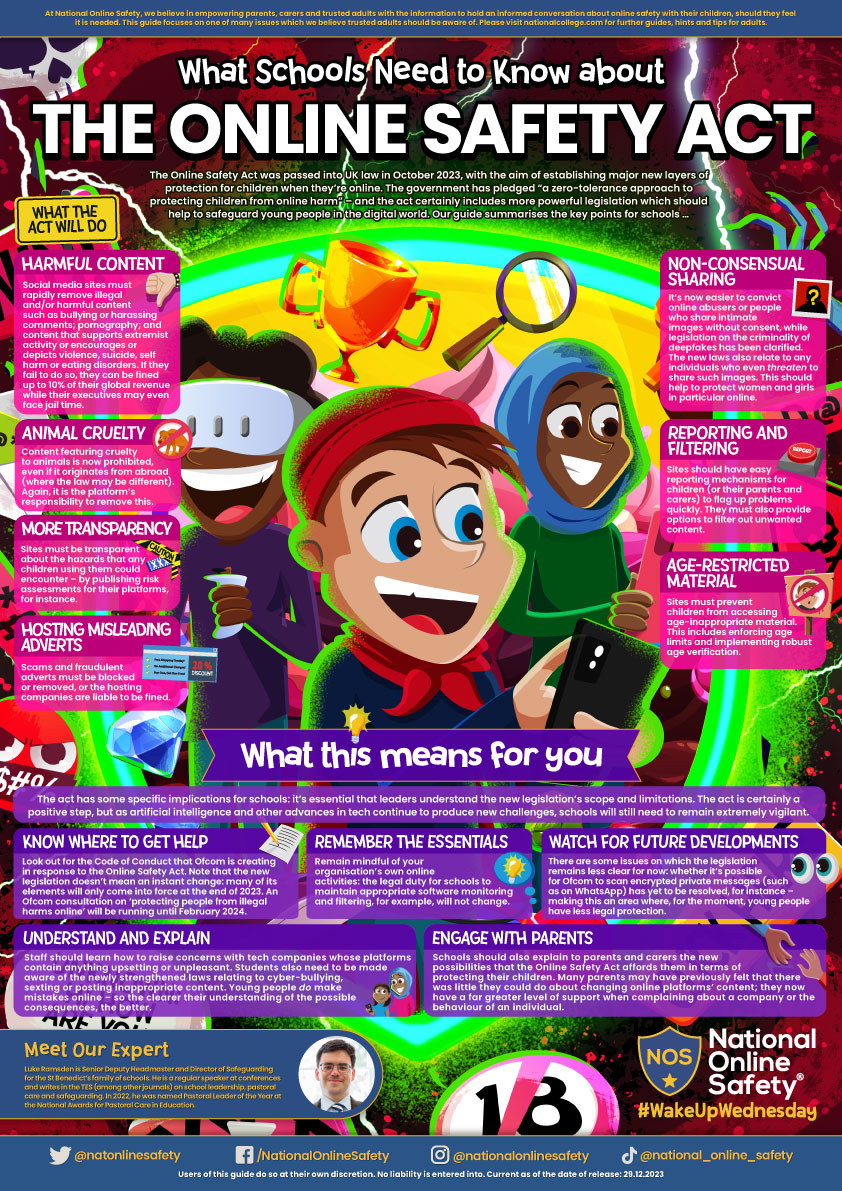
The discourse surrounding online child safety legislative proposals on social discussion platforms reflects a broader societal urgency to secure student digital environments against emerging cyber threats. According to the Federal Trade Commission (FTC Consumer Advice), protecting minors requires robust technological safeguards combined with continuous education on device hygiene and classroom screen balance. Educators, school administrators, and parents frequently analyze legislative updates within the Internet and Digital Safety category to understand how policy translates into classroom practice and robust student protection.
Digital Safety Snapshot:
- Core Focus: Synthesizing public discourse and legislative mandates into practical school internet safety measures.
- Target Scope: Middle school students, teachers, administrators, and involved parents managing digital footprints.
- Key Recommendation: Implement strict device hygiene protocols and proactive cyberbullying prevention frameworks across all learning environments.
Core Principles and Detailed Overview
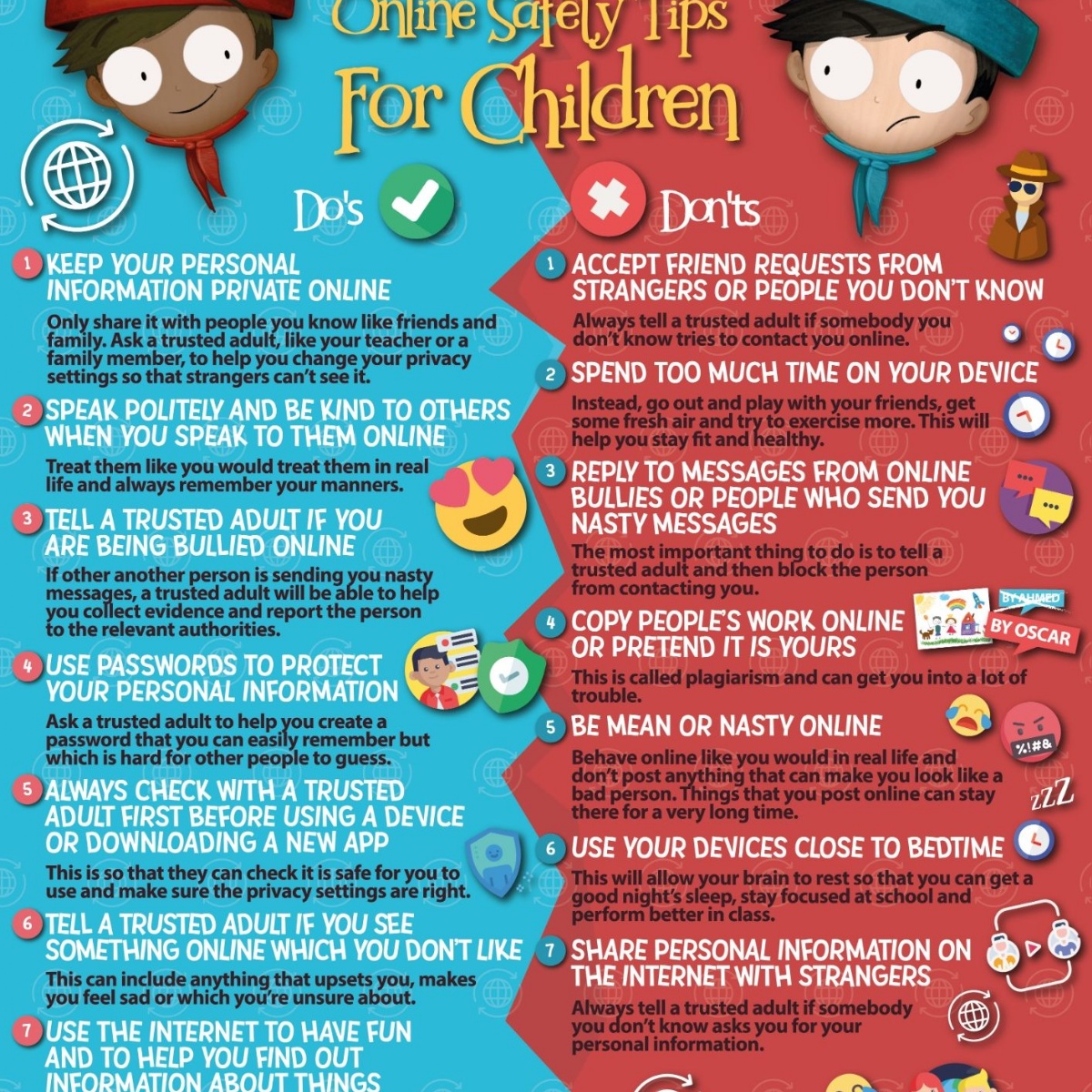
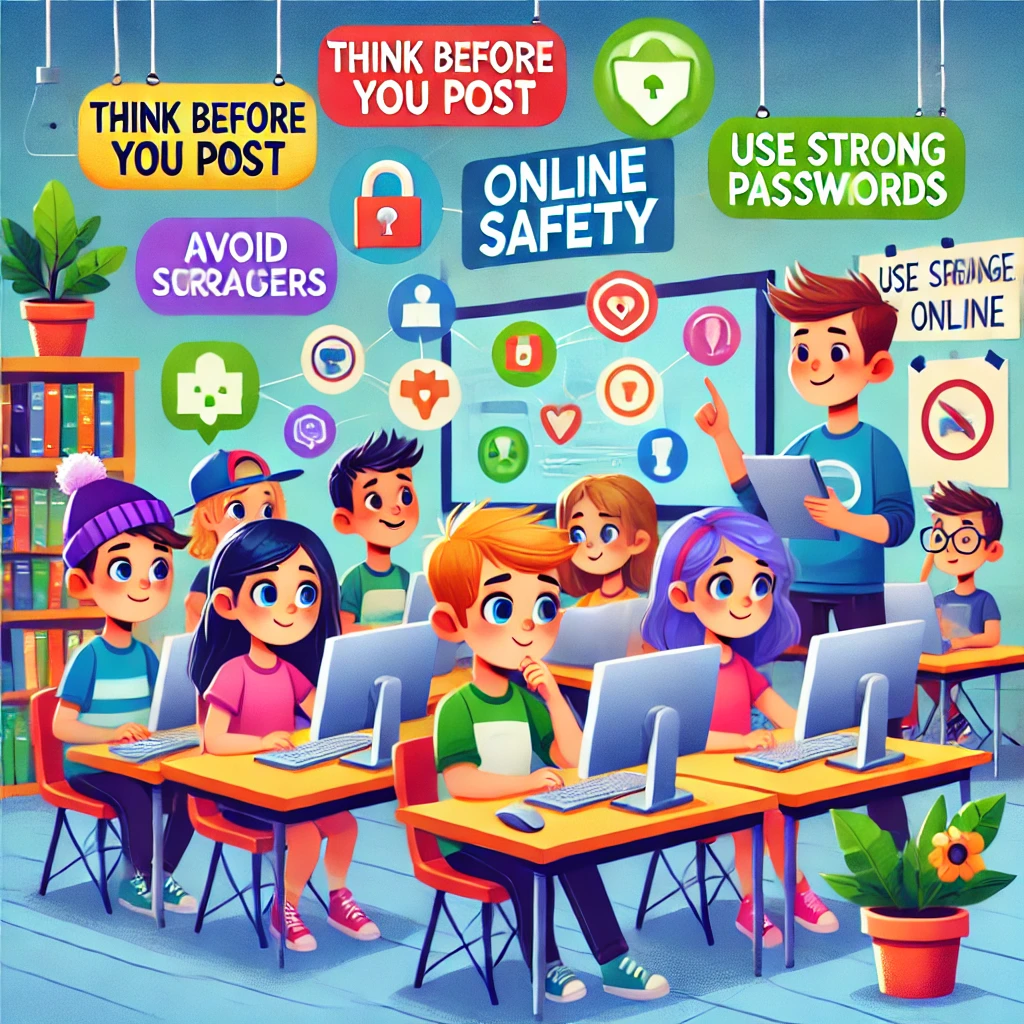
Comprehensive digital safety requires aligning legislative intent with everyday classroom technology management and student behavioral standards. Online regulatory discussions often emphasize the necessity of shielding minors from predatory algorithms, excessive screen time, and targeted data collection. Schools manage these vulnerabilities by enforcing strict filtering policies, teaching responsible digital citizenship, and utilizing structured resources like Worksheets designed to reinforce healthy screen habits. Educators must balance instructional technology usage with offline engagement to ensure middle school students develop sustainable, healthy relationships with digital devices.
Key Specifications and Breakdown
| Safety Pillar | Digital Risk Factor | Actionable Protective Habit |
|---|---|---|
| Device Hygiene | Malware exposure and shared account vulnerabilities | Require automatic software updates and mandatory individual login credentials. |
| Digital Footprint | Permanent storage of inappropriate text or media | Teach students the permanence rule before posting or sharing academic content. |
| Cyberbullying Prevention | Anonymous harassment across school-issued communication tools | Establish anonymous reporting pathways and immediate administrative mediation protocols. |
Proactive legislative compliance and digital citizenship education form the bedrock of sustainable school network security — Cybersecurity & Infrastructure Security Agency (CISA)
Step-by-Step Practical Application and Guidelines
Executing effective digital safety measures in school environments involves a sequential framework of policy enforcement, direct student instruction, and continuous device auditing. Administrators begin by restricting unverified third-party applications on school-issued tablets and laptops. Next, teachers integrate structured lessons from the Online and Digital Safety hub to instruct students on recognizing phishing attempts and practicing respectful online communication. Finally, IT staff conduct monthly audits of network traffic and device configurations to ensure compliance with federal mandates and local safety thresholds, minimizing risks associated with cyberbullying and data exposure.
Common Challenges and How to Avoid Them
Over-reliance on automated content filters often creates a false sense of security while leaving students vulnerable to peer-to-peer cyberbullying on unmonitored communication channels. Educational institutions combat this gap by pairing technological barriers with open classroom discussions regarding digital ethics and empathy. Administrators must also address screen fatigue by scheduling designated tech-free intervals throughout the instructional day, ensuring students maintain healthy cognitive balance and physical well-being alongside digital proficiency.
💬 Frequently Asked Questions
Explore More Kids Safety and Digital Citizenship Guides on SafeWiredSchools
Empowering students to navigate the digital world safely requires continuous learning resources, downloadable educational tools, and expert guidance. Discover comprehensive toolkits, lesson plans, and supportive resources by visiting the central library at Safe Wired Schools to strengthen digital citizenship across every classroom.
Visual Reference Gallery