Introduction
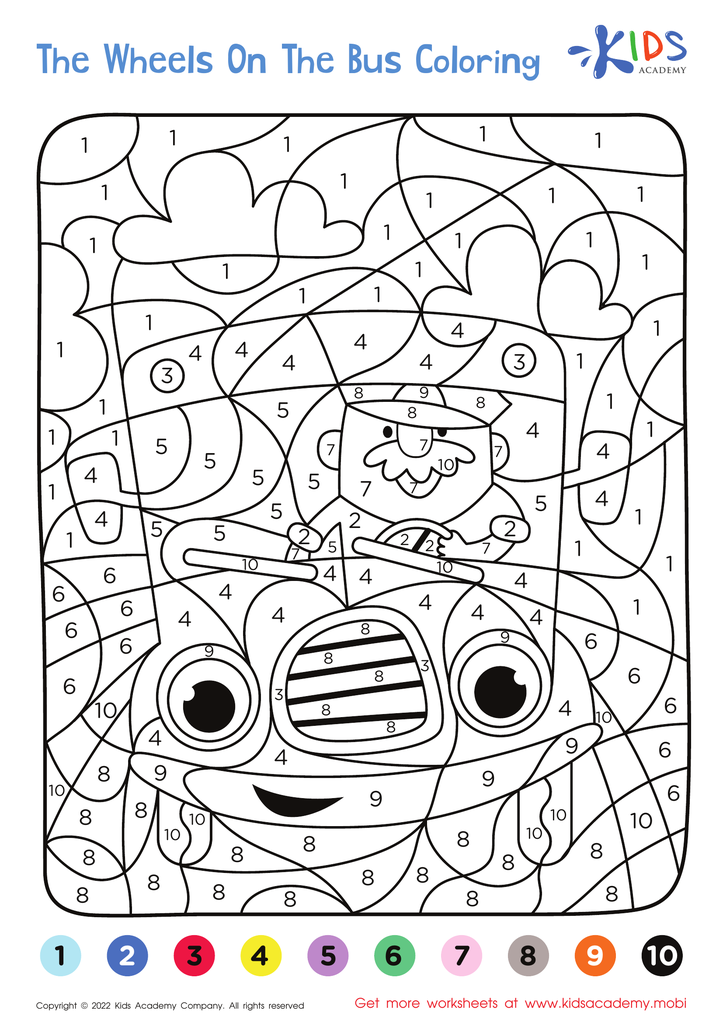
Coloring worksheets with guide structured materials seamlessly bridge the gap between unstructured artistic expression and precise mechanical handwriting development. According to the American Occupational Therapy Association (AOTA), purposeful fine-motor activities that incorporate structured visual bounds directly strengthen intrinsic hand muscles required for legible writing. Utilizing guided coloring layouts establishes vital muscle memory, proper pencil grasp mechanics, and directional stroke awareness before a child transitions to formal preschool worksheets. These specialized resources transform standard coloring tasks into targeted pedagogical tools that reinforce hand-eye coordination, spatial perception, and consistent baseline control.
Handwriting Practice Snapshot:
- Core Focus: Integrating structured visual guides into coloring tasks to build foundational pencil control.
- Target Scope: Early childhood education, occupational therapy, and foundational home schooling environments.
- Key Recommendation: Pair structured coloring pages with consistent verbal cues regarding directional strokes and grip posture.
Core Principles and Detailed Overview
Guiding young learners through structured artistic layouts builds the exact motor planning required for letter formation. Coloring worksheets with guide feature specialized directional arrows, boundary cues, and tactile line weights that prompt children to move writing utensils with controlled intent rather than erratic scribbling. Educators utilize these pages to teach proper pressure modulation, spatial boundaries, and visual tracking. When integrated alongside tracing worksheets, guided coloring sheets accelerate fine-motor maturity by familiarizing fingers with the exact friction and resistance encountered during standard alphabet and number execution.
Key Specifications and Breakdown
| Skill Level / Grade | Target Stroke / Mechanical Focus | Pedagogical / Coaching Cue |
|---|---|---|
| Early Preschool | Broad sweeping motions and heavy border containment | “Keep the crayon inside the thick fence lines.” |
| Advanced Preschool | Directional shading and diagonal stroke control | “Start at the star and color smoothly downward.” |
| Kindergarten | Precision grip, pressure modulation, and shape closure | “Use soft circles to fill the shape without breaking lines.” |
Structured fine-motor interventions significantly enhance distal control and spatial organization necessary for academic writing readiness — American Occupational Therapy Association (AOTA)
Step-by-Step Practical Application and Guidelines
Executing structured coloring activities effectively requires deliberate staging, ergonomic tool selection, and consistent adult facilitation. Instructors must first verify that children maintain a functional tripod grasp before distributing any writing implement. Next, educators should point directly to the directional guides embedded within the coloring worksheets, demonstrating the correct starting point and motion vector. Learners should practice filling shapes using continuous, overlapping strokes rather than short, fractured jabs. This progressive methodology prepares students to seamlessly transition into letter writing worksheets and name practice worksheets with supreme mechanical confidence.
Common Challenges and How to Avoid Them
Hand fatigue, improper grip regression, and frustration over boundary containment represent the most frequent obstacles encountered during guided coloring practice. Educators can easily mitigate these issues by replacing oversized, heavy crayons with short, stubby writing tools that naturally force an optimal three-point finger posture. Furthermore, if a child continually ignores directional guide lines, instructors should temporarily utilize high-contrast textured papers or verbal rhythm chants to anchor movement. Consistent supervision ensures that students do not develop compensatory movement patterns that later hinder fluid letter execution across standard worksheets.
💬 Frequently Asked Questions
Explore More Free Handwriting and Character Worksheets
Mastering fundamental fine-motor mechanics lays the permanent groundwork for lifelong academic success and legible penmanship. Explore the complete curated collection of professional-grade printables available directly through CharacterWritingWorksheets.com to elevate early childhood literacy and handwriting proficiency today.
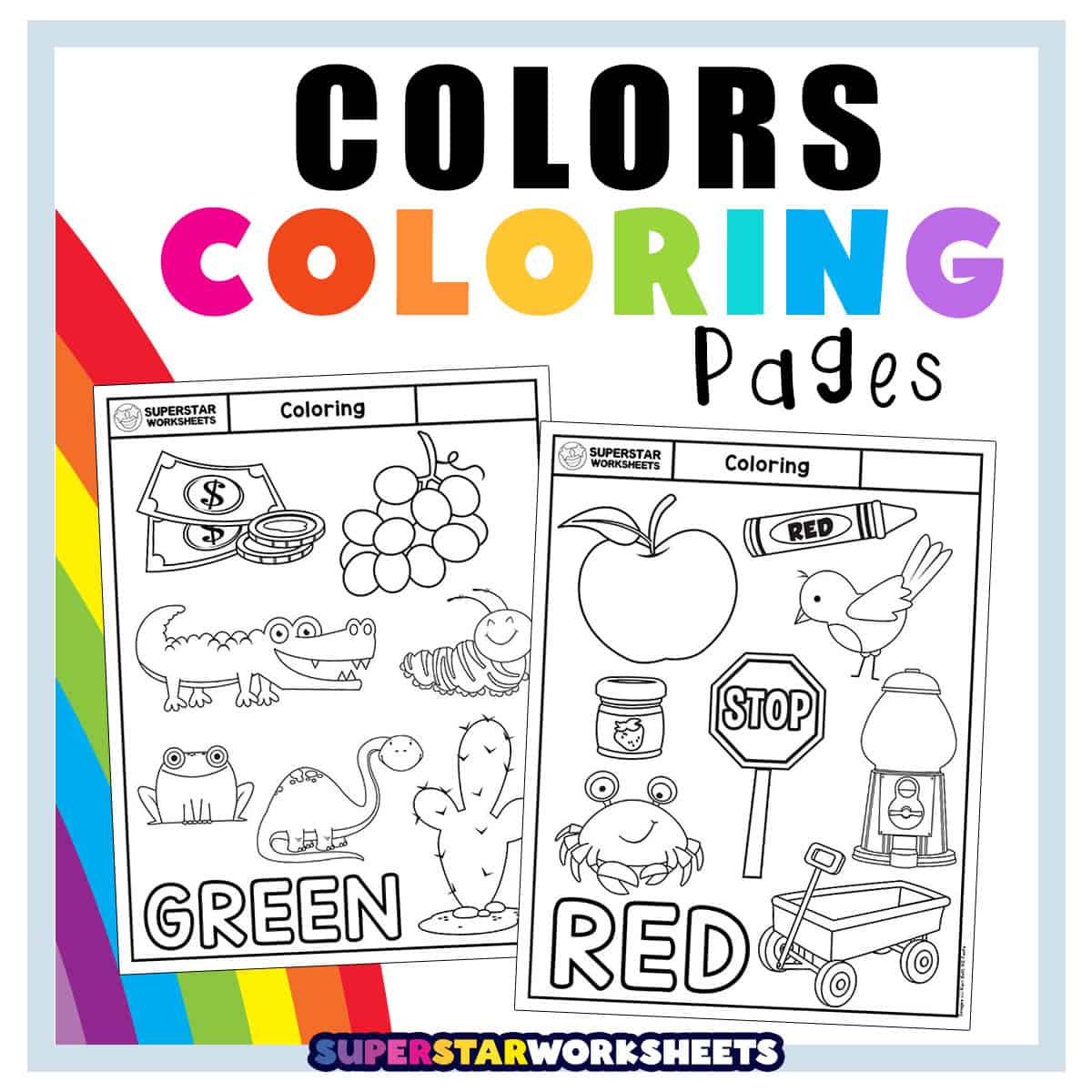
Printable Coloring Page Previews