Introduction
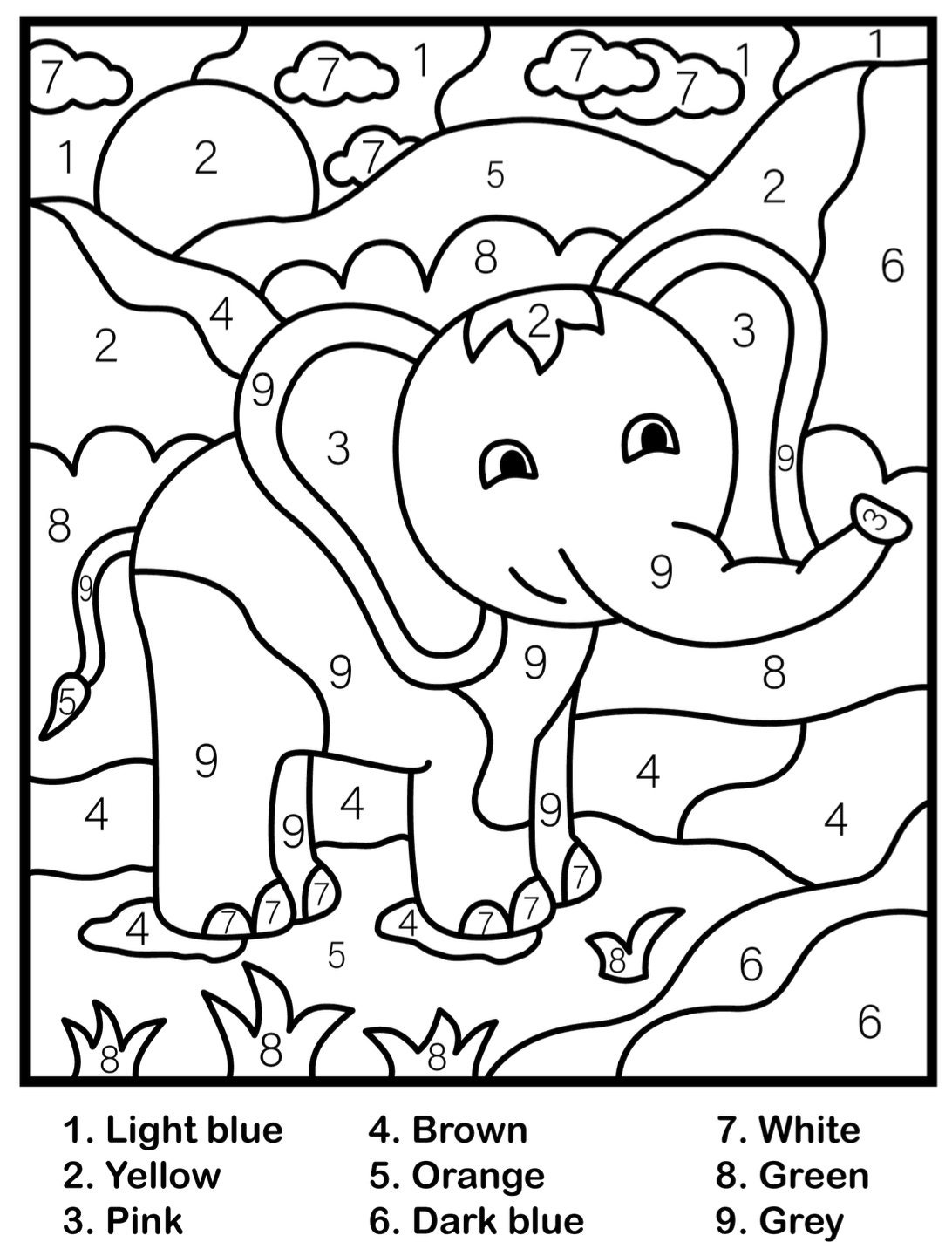
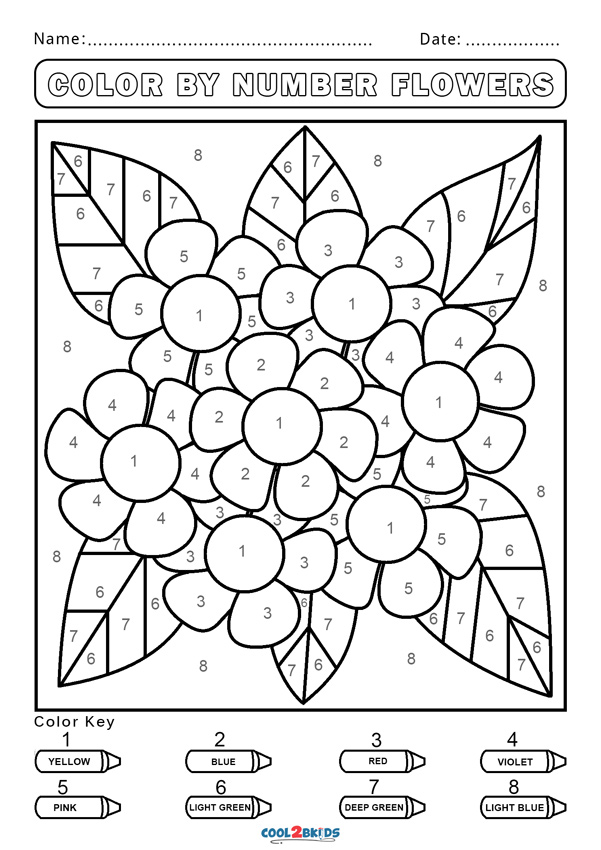
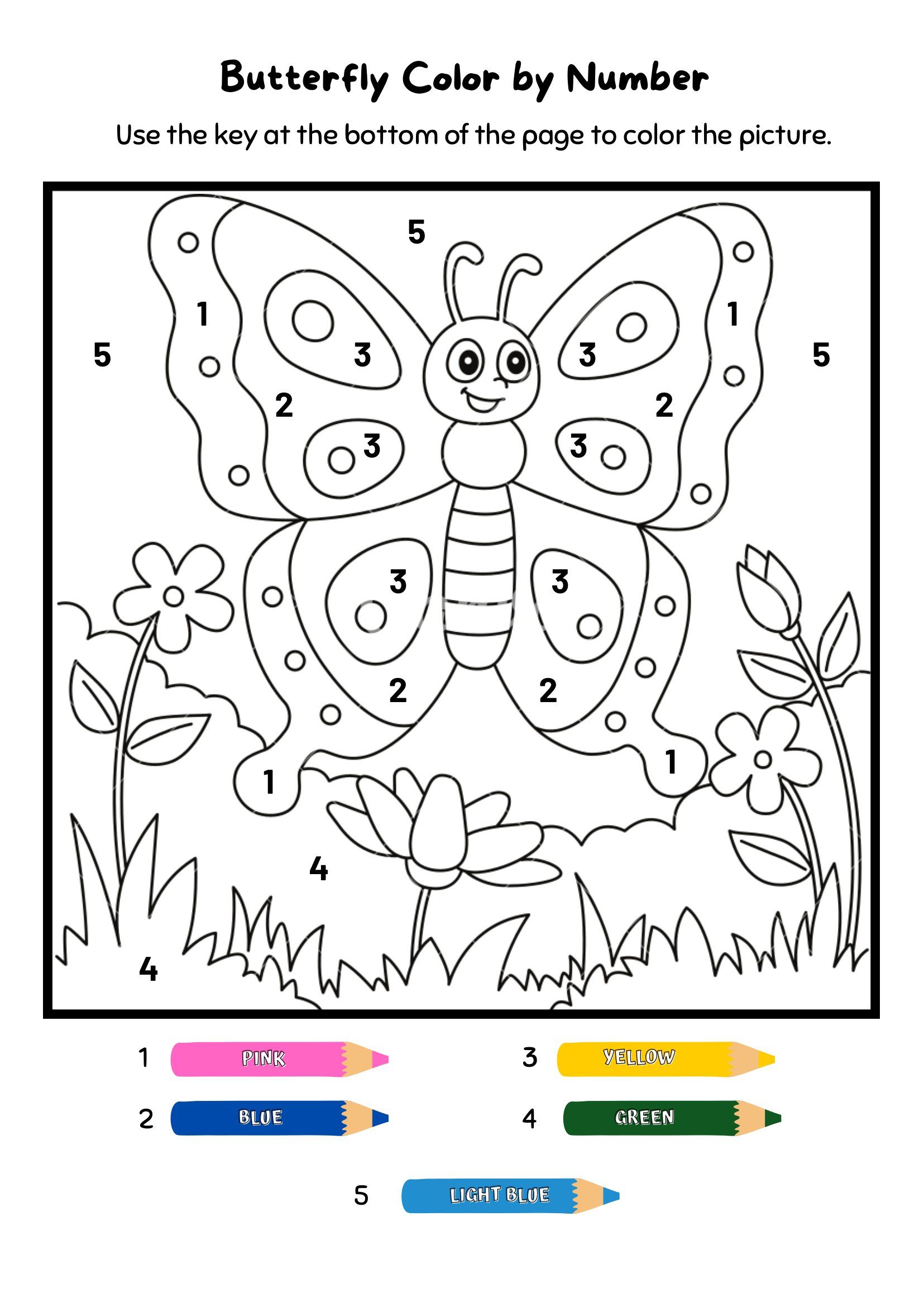
Coloring worksheets by number are structured instructional tools that link numerical recognition and color codes to specific pixelated spatial grids, training the precise fine-motor control required for fluent handwriting. According to the American Occupational Therapy Association (AOTA), fine-motor manipulation of writing utensils relies directly on the maturation of intrinsic hand muscles, which are actively conditioned through controlled coloring and pencil-control tasks. These foundational sheets bridge cognitive symbol recognition and physical pen-to-paper mechanics, providing an ideal prerequisite before children transition to advanced letter writing worksheets. Leveraging targeted visual-motor integration tasks accelerates pencil grip endurance and spatial awareness in early childhood classrooms.
Handwriting Practice Snapshot:
- Core Focus: Strengthening grip strength and spatial accuracy using color-coded numerical templates.
- Target Scope: Early childhood educators, homeschool environments, and occupational therapy interventions.
- Key Recommendation: Pair structured coloring pages with systematic tracing worksheets to optimize line fidelity.
Core Principles and Detailed Overview
Color-by-number templates enforce strict boundary constraints that compel the hand to execute micro-adjustments in pressure, direction, and wrist stability. Direct answer: These activities build handwriting mechanics by training the hand to halt, pivot, and reverse direction within constrained geometric fields, mirroring the exact spatial control needed for standard preschool worksheets. As young learners match a numeral to a designated chromatic shade, the brain builds an involuntary neural connection between symbolic visual cues and physical muscular response. This process reduces hand fatigue during prolonged writing sessions by fostering automaticity in pencil manipulation. Educators frequently integrate specialized coloring worksheets into morning routines to prepare the fingers for rigorous daily penmanship.
Key Specifications and Breakdown
| Skill Level / Grade | Target Stroke / Mechanical Focus | Pedagogical / Coaching Cue |
|---|---|---|
| Early Preschool | Palmar-to-digital transition, broad circular shading | “Keep the wrist relaxed and move only the fingertips.” |
| Late Kindergarten | Controlled directional strokes, strict border containment | “Trace the outer edge before filling the interior space.” |
| First Grade | Pencil pressure regulation, steady diagonal lines | “Press lightly for soft tones; hold firmly for solid color.” |
Deliberate fine-motor skill practice establishes the neuromuscular pathways necessary for legible, efficient handwriting mechanics. — American Occupational Therapy Association (AOTA)
Step-by-Step Practical Application and Guidelines
Executing number-based coloring activities effectively requires a deliberate pedagogical sequence to maximize fine-motor gains. Direct answer: Instructors should first have learners identify and point to every numerical key on the page before a single crayon touches the paper. Next, educators must verify that the child maintains an efficient tripod grasp, ensuring fingers rest approximately one inch from the writing tip. Children should begin coloring from top to bottom and left to right to reinforce natural reading and writing vectors. Finally, supervisors should check that the non-dominant hand firmly anchors the paper, stabilizing the canvas against unwanted shifting during vigorous shading.
Common Challenges and How to Avoid Them
Over-saturation of color and erratic pencil pressure represent the most frequent obstacles encountered during numerical coloring exercises. Direct answer: Prevent hand cramping and torn paper by replacing blunt wax crayons with harder colored pencils or triangular markers that force proper finger alignment. When students rush and cross boundary lines, instructors should temporarily cover adjacent sections with a blank mask card, limiting the visual field and reducing sensory overload. Consistent monitoring during these foundational exercises prevents the permanent entrenchment of awkward fisted grips, setting the stage for flawless execution on future name practice worksheets.
💬 Frequently Asked Questions
Explore More Free Handwriting and Character Worksheets
Expanding a child’s foundational skill set requires access to a diverse, structured library of practice materials designed by educators. Explore the comprehensive collections available at CharacterWritingWorksheets.com to discover hundreds of free worksheets meticulously engineered to enhance early literacy, fine-motor coordination, and lifelong penmanship excellence.
Printable Coloring Page Previews