Introduction
Children frequently encounter digital risks in unexpected places, such as shared family tablets left unattended on the kitchen counter, fast-paced in-game chat windows during weekend gaming sessions, or autoplay video platforms where comment sections remain unmonitored. Navigating these modern environments requires intentional preparation rather than reactive fear. Educators and parents continuously seek accessible tools that bridge the gap between abstract screen-time rules and concrete, positive social behavior. Incorporating foundational concepts into low-stakes puzzles helps young learners absorb critical vocabulary without feeling overwhelmed. Building resilient digital citizens starts with gentle, consistent dialogue during formative years. This free printable cyberbullying word search offers a practical entry point for adults striving to cultivate kindness, empathy, and safe communication habits in elementary students.
💡 Educational Key Takeaways:
- Core Skill: Structured Cyberbullying Word Search focused on developing pencil grip, stroke control, and early literacy/math confidence.
- Target Scope: Suited for homeschoolers, preschool, kindergarten, and elementary learners.
- Best Recommendation: Practice 10–15 minutes daily with ergonomic writing tools to reinforce muscle memory without hand fatigue.
What This Printable Covers
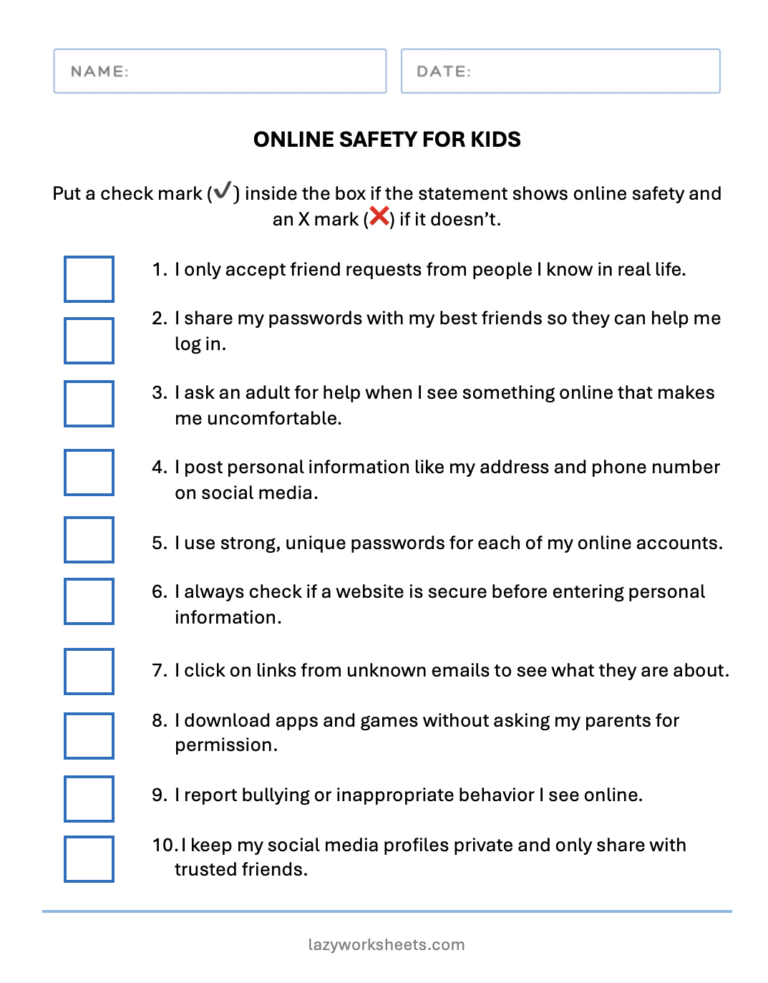
Targeting essential vocabulary words related to online respect, peer inclusion, and boundary setting, this activity introduces terminology that children need to recognize healthy digital interactions. Players search for terms centered on supportive messaging, reporting uncomfortable moments, and practicing patience behind the screen. According to Common Sense Media, children as young as eight frequently navigate complex social dynamics within digital platforms long before they fully grasp the emotional weight of written words. The puzzle deliberately pairs fun puzzle-solving mechanics with meaningful language acquisition. It sounds simple, and that’s the point. By decoding terms tied to positive digital citizenship, students normalize discussions surrounding respect and cooperative play. For more related activities, check out our Staying Safe Online Worksheet.
Key Learning Outcomes
Completing this activity reinforces specific skills that translate directly into safer online habits. Participants learn to identify supportive digital behaviors, understand the value of keeping personal information private, and recognize when a peer interaction crosses the line from playful banter to hurtful exclusion. Crucially, the resource reinforces the vital message that children are never in trouble for reporting something uncomfortable to a trusted adult. Educators can leverage these printable student exercises to spark deeper conversations about strong passwords, thinking before sharing, and supporting classmates who experience online unkindness. Safety becomes an approachable skill to build rather than an abstract threat to dread.
How to Use This Printable
Flexibility defines the best educational materials. Classrooms, homeschool routines, and counseling sessions all benefit from quiet, focused activities that prime groups for deeper discussions. Teachers often distribute the puzzle during morning meeting transitions, while school counselors utilize it as a calm-down tool that opens pathways for individual guidance sessions. Parents find success sliding the page onto the kitchen table while dinner simmers, inviting children to discuss their favorite online games while hunting for hidden words. Here’s what makes this resource different: it transforms a potentially heavy lecture topic into a cooperative puzzle, allowing adults to ask casual follow-up questions while crayons or pencils move across the paper.
Practical Tips for Parents and Teachers
Maximizing the educational value of any activity requires intentional framing. Adults should begin by completing a few words alongside the child, establishing a relaxed environment free from performance pressure. Once a vocabulary term is circled, pause to ask what that specific word looks like in real life, such as asking what it means to include someone rather than leave them out of an online multiplayer level. Keep conversations anchored in protective habits, emphasizing that asking for help from a teacher or parent is always the right choice. Adults should also highlight that reporting uncomfortable encounters never leads to losing device privileges, ensuring children feel secure enough to speak up early.
Age-Appropriate Recommendations
Tailoring digital safety education to developmental milestones ensures that concepts resonate effectively across the five-to-twelve age spectrum. Younger elementary students in kindergarten through second grade benefit from guided puzzle-solving where adults read the words aloud and explain the definitions using simple playground analogies. Upper elementary learners in third through fifth grade can handle independent completion, followed by reflective writing prompts about their own online experiences. Grounding these lessons in frameworks such as the Common Sense Education Digital Citizenship Curriculum provides structured pathways for teaching media balance, cyberbullying prevention, and respectful communication in ways that align directly with established developmental milestones.
Younger children frequently encounter digital friction and negative peer interactions within casual multiplayer video games and shared household devices long before middle school. — Pew Research Center
Frequently Asked Questions
Clear guidance helps educators and families implement digital citizenship tools smoothly. The following answers address common inquiries regarding access, implementation, and foundational safety strategies.
Explore More Free Kids Online Safety Printables
Expanding a digital citizenship toolkit requires a variety of engaging formats that appeal to different learning styles and age groups. Educators and families looking to reinforce healthy screen habits can browse through a broader collection of educational safety guides and creative resources. Pairing word puzzles with visual art materials found within mindful coloring activities creates a balanced approach to online wellbeing. For continuous skill-building across the entire school year, reviewing additional comprehensive digital safety tools ensures children stay equipped with the protective habits they need to thrive online.
Developmental Milestone & Activity Table
| Development Stage | Recommended Daily Duration | Primary Learning Objective |
|---|---|---|
| Preschool & Pre-K | 10 – 15 Minutes | Pencil grip development & basic pre-stroke lines |
| Kindergarten | 15 – 20 Minutes | Letter/number formation & spatial line awareness |
| Early Elementary (Grade 1–2) | 20 – 30 Minutes | Fluency, sentence construction & neatness |
Images References