Introduction
Managing daily technology use often feels like navigating a moving target in modern classrooms and busy households. Children aged five to twelve interact with screens constantly, whether completing school assignments on shared tablets, watching videos on living room televisions, or chatting with friends inside multiplayer video games. According to Common Sense Media, children’s daily media consumption remains remarkably high, making proactive guidance essential rather than optional. Navigating these digital spaces safely requires more than strict rules; it demands building foundational awareness. Educators and families frequently look for accessible tools that turn abstract device limits into concrete, everyday habits. The free printable screen time balance worksheet for kids provides a welcoming starting point for these important conversations.
💡 Educational Key Takeaways:
- Core Skill: Structured Screen Time Balance Worksheet For Kids focused on developing pencil grip, stroke control, and early literacy/math confidence.
- Target Scope: Suited for homeschoolers, preschool, kindergarten, and elementary learners.
- Best Recommendation: Practice 10–15 minutes daily with ergonomic writing tools to reinforce muscle memory without hand fatigue.
What This Printable Covers
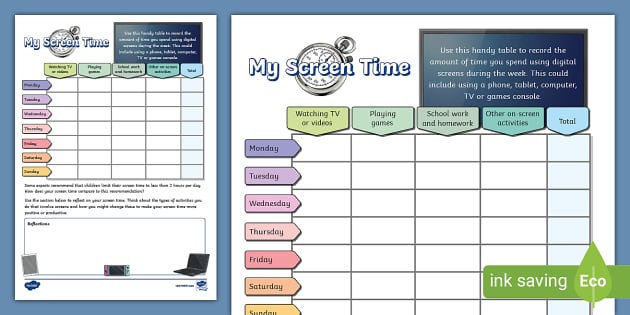
Visual organization helps younger learners grasp time management much faster than verbal reminders alone. This resource invites children to map out their waking hours by comparing digital activities with offline adventures like outdoor play, reading, and creative arts. It sounds simple, and that is the point. By physically coloring or writing in specific time blocks, children take ownership of their daily schedules. The layout gently guides learners to recognize that screens are wonderful tools for learning and connection, but they represent only one piece of a vibrant daily routine.
Key Learning Outcomes
Self-regulation grows gradually through intentional practice and supportive guidance. Working through these printable student exercises allows children to build critical thinking regarding how they spend their free moments. Learners begin to connect physical feelings—such as eye strain or restlessness—to extended device use, learning to step away independently. Additionally, the activity reinforces the importance of keeping personal information private, establishing strong passwords, and pausing before sharing anything online. Most importantly, children internalize a vital safety message: reporting uncomfortable online interactions to a trusted adult never puts them in trouble.
How to Use This Printable
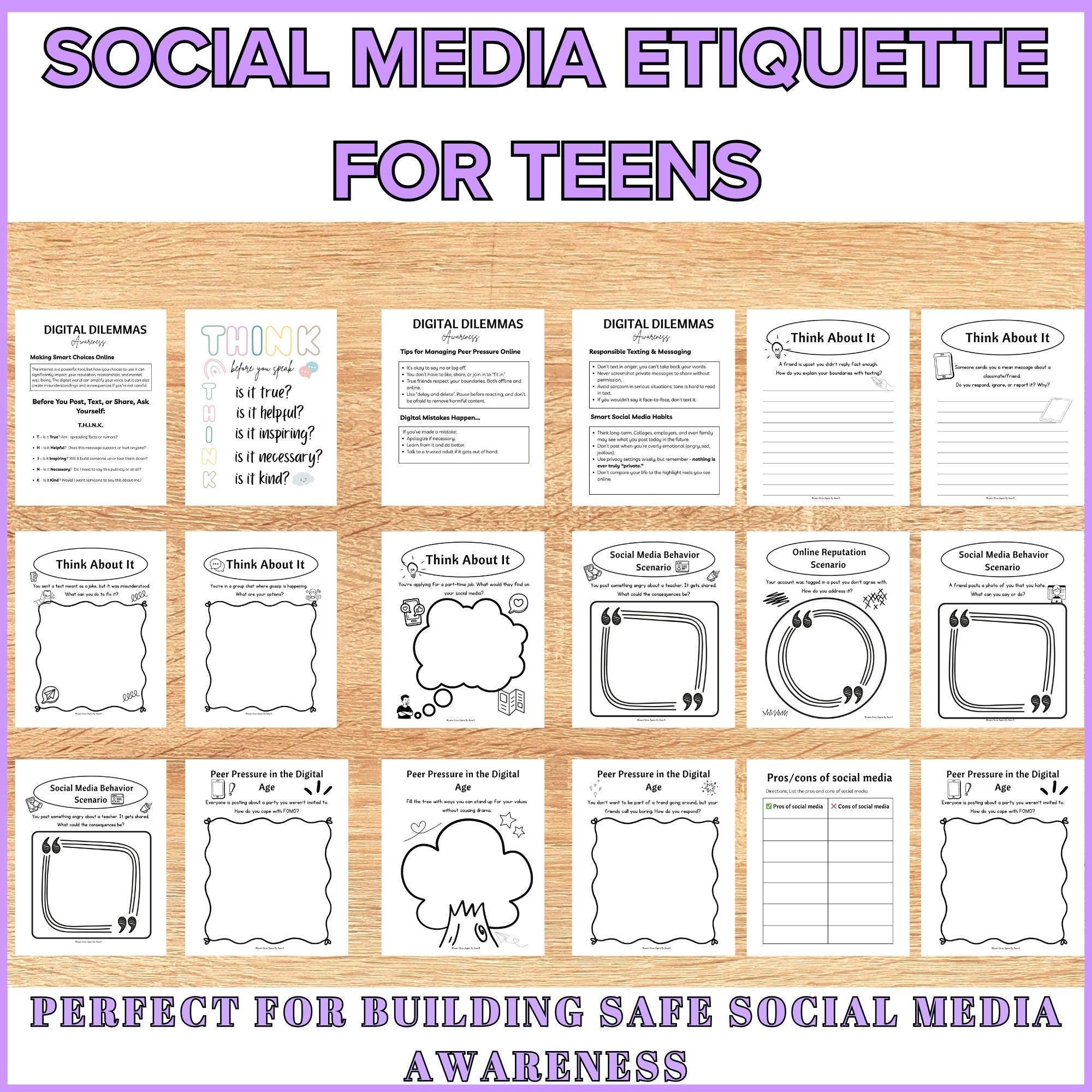
Implementation works best when adults frame the activity as a collaborative planning session rather than a restriction checklist. Educators can integrate the sheet into morning meetings or computer lab orientation days, while families can review it together around the kitchen table. Sitting side-by-side encourages children to share their favorite digital pastimes honestly, opening the door to deeper discussions about internet habits. Exploring resources on responsible digital citizenship gives adults additional context for addressing real-world scenarios where kids encounter unexpected content or tricky in-game chat features.
Practical Tips for Parents and Teachers
Consistency and patience transform a standard handout into an impactful learning moment. Adults should model healthy tech boundaries by setting their own devices aside during the activity. Here is what makes this resource different: it shifts the focus away from adult policing and toward child-led decision-making. Prompting questions like “How do you feel after playing your favorite game for an hour?” help children articulate their own bodily cues. Keeping the tone positive ensures that children view digital safety as a valuable skill set rather than a list of frightening prohibitions.
Age-Appropriate Recommendations
Developmental stages dictate how adults should introduce concepts of screen balance and online safety. Kindergarteners and first graders benefit from visual, color-coded blocks that equate to rough time estimates, aligning closely with the Common Sense Education Digital Citizenship Curriculum framework. Upper elementary students, meanwhile, can engage in more detailed scheduling that accounts for homework, creative hobbies, and physical movement. According to the Pew Research Center, a vast majority of parents worry about their children spending too much time staring at screens, highlighting the universal need for structured, age-tailored guidance across all elementary grade levels.
Roughly two-thirds of parents express concern over their children’s overall screen consumption, emphasizing the value of structured offline routines. — Pew Research Center
Frequently Asked Questions
Addressing common logistical and pedagogical inquiries helps educators and families maximize the benefits of this activity. Accessing these materials requires no special software, making them instantly available for printing at home or school. The questions below cover the most frequent inquiries regarding implementation, safety education, and source credibility.
Children aged eight to twelve consume several hours of entertainment media daily, making intentional balance worksheets vital for daily wellness. — Common Sense Media
Explore More Free Kids Online Safety Printables
Expanding a child’s digital literacy toolkit requires a variety of engaging, hands-on materials. Pairing time-management activities with creative coloring resources helps reinforce essential safety concepts through artistic expression and open dialogue. Discover additional classroom-ready resources by visiting these collections of creative safety sheets and comprehensive guides dedicated to online and digital safety. Building lifelong digital resilience happens one positive conversation at a time.
Developmental Milestone & Activity Table
| Development Stage | Recommended Daily Duration | Primary Learning Objective |
|---|---|---|
| Preschool & Pre-K | 10 – 15 Minutes | Pencil grip development & basic pre-stroke lines |
| Kindergarten | 15 – 20 Minutes | Letter/number formation & spatial line awareness |
| Early Elementary (Grade 1–2) | 20 – 30 Minutes | Fluency, sentence construction & neatness |
Images References